Top Bakery Manufacturing Companies for Global Buyers

Choosing top bakery manufacturing companies for global buyers requires more than comparing product catalogs. A reliable supplier must combine consistent recipes, safe production, export experience, and responsive communication. This guide examines manufacturers through practical buyer concerns, including certifications, ingredient control, packaging performance, minimum order quantities, and delivery reliability. Factory scale matters, but it does not guarantee better results.

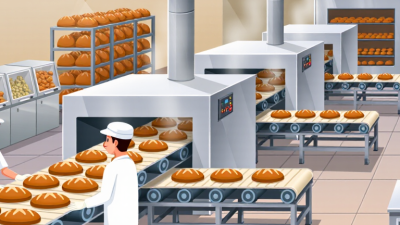
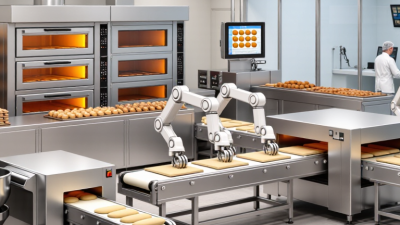
Strong bakery manufacturing partners often operate automated mixing, proofing, baking, and cooling lines. Their facilities may produce bread, pastries, biscuits, cakes, and frozen bakery products. Buyers should request recent audit records, allergen procedures, shelf-life data, and product samples. A sample can reveal texture changes after shipping. Packaging can also show whether a supplier understands humid ports, long transit times, and retail handling.

Not every company fits every market. A large manufacturer may offer attractive pricing but require higher order volumes. A smaller specialist may provide better customization but face capacity limits. That trade-off deserves honest attention. Product claims, certifications, and delivery promises should be verified independently. Even experienced buyers can overlook seasonal shortages or labeling differences. This overview therefore focuses on evidence, operational detail, and commercial fit rather than promotional language. The final selection remains the buyer’s responsibility, shaped by target consumers, import rules, budget, and expected growth. Reliable partnerships are built gradually, with clear specifications and documented performance. Sometimes, the best supplier is not the most famous one.
Top Bakery Manufacturing Companies for Global Buyers

What Defines a Top Bakery Manufacturing Company

Top Bakery Manufacturing Companies for Global Buyers

A top bakery manufacturing company combines food expertise with disciplined daily execution. Its team understands dough behavior, fermentation, baking curves, cooling, and packaging conditions. Production records should show more than output. They should explain ingredient lots, temperature checks, allergen controls, and corrective actions. Clear traceability builds trust when a shipment needs investigation. It also protects product quality across long supply routes.

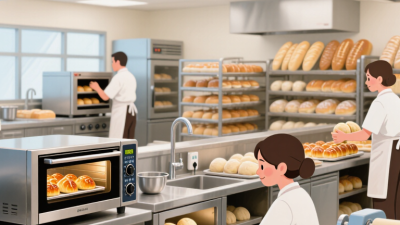
Reliable manufacturers invest in practical details. Calibrated ovens support consistent color and texture. Preventive maintenance reduces unexpected delays. Trained staff inspect weight, seal quality, moisture, and appearance during production. Independent testing can verify microbiological safety and shelf-life claims. Buyers should also review audit history, export experience, capacity, and communication speed. A large facility is not automatically a capable partner.

Tips: Request recent sample batches, full specifications, and storage instructions. Ask how the factory handles rejected materials and customer complaints. Visit the production site if possible. Look for clean zones, labeled tools, controlled traffic, and workers who can explain procedures. A useful supplier answers difficult questions without hiding behind polished language. No factory is flawless. Even strong systems can miss a calibration or delay a report. What matters is honest disclosure, documented correction, and evidence that the same issue will not quietly repeat.

Core Product Categories and Production Capabilities

Top Bakery Manufacturing Companies for Global Buyers

Global bakery manufacturers usually organize their output into several core categories. These include sliced bread, burger buns, rolls, croissants, Danish pastries, cakes, cookies, crackers, and frozen dough. Each category requires different controls. Bread depends on fermentation and crumb structure. Laminated pastries require precise butter distribution and temperature management. Cookies need accurate depositing, baking, and moisture control.

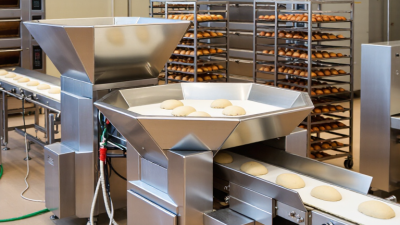
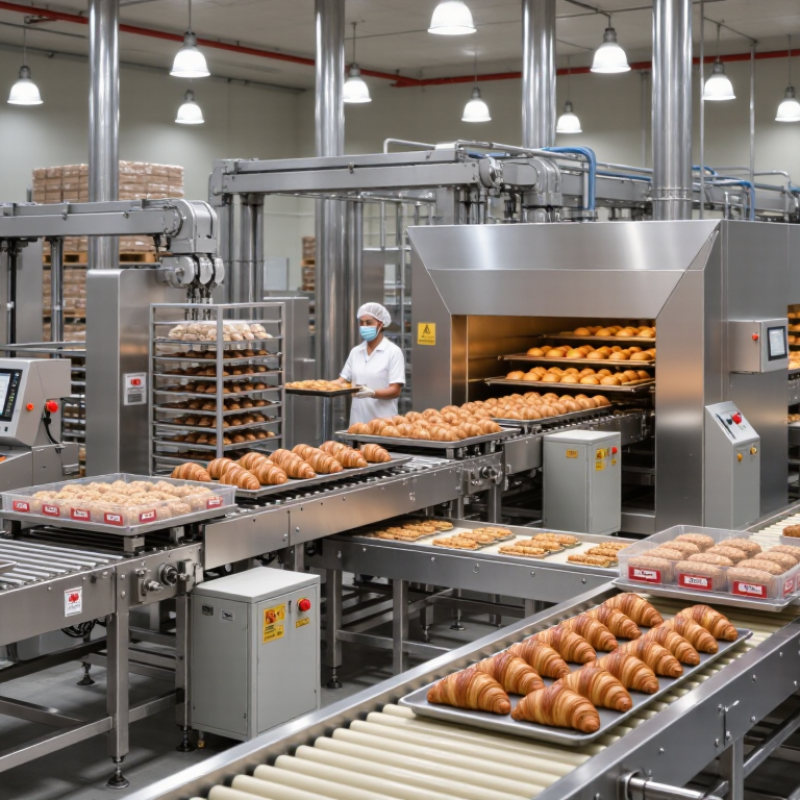
Production capability matters more than a broad product list. A strong facility should provide automated mixing, controlled proofing, tunnel ovens, rapid cooling, slicing, and sealed packaging. Frozen products require stable blast-freezing and dependable cold-chain handling. Buyers should also examine allergen separation, batch traceability, metal detection, and documented sanitation procedures. These details often reveal operational maturity better than attractive catalog images.

Customization can include weight, shape, filling, packaging format, and shelf-life targets. However, every adjustment affects production speed and cost. A factory may handle high-volume bread efficiently but struggle with delicate pastries or small trial orders. Buyers should request line capacity, minimum order quantities, sample results, and recent quality records. Factory audits can expose practical weaknesses, such as uneven cooling or inconsistent sealing. No supplier performs perfectly. Clear specifications, realistic testing, and regular communication reduce costly surprises.

Quality Standards, Certifications, and Food Safety Practices

Top Bakery Manufacturing Companies for Global Buyers

Quality standards matter when bakery products cross borders. Reliable manufacturers control ingredients, mixing, baking, cooling, and packaging with documented procedures. Buyers should request current certificates, audit reports, and corrective action records before approving a supplier.

Look for a food safety system based on HACCP principles and, where suitable, ISO 22000 certification. These frameworks help identify biological, chemical, and physical hazards. Strong facilities also verify allergen controls, sanitation schedules, metal detection, and temperature records. During a site visit, inspect flour storage, handwashing stations, packaging seals, and pest-control logs. Small details often reveal daily discipline.

Traceability should work in both directions. A manufacturer should identify the ingredient lot, production shift, operators, and finished shipment within hours. Certificates alone are not enough. I have seen polished documents fail to explain how a damaged carton was investigated. That gap deserves attention. It may show weak training or incomplete records.

Ask for routine microbiological testing and evidence of supplier approval. Products should meet the destination market’s labeling, allergen, and shelf-life requirements. Packaging should protect texture without hiding damage. Independent audits add confidence, but internal inspections must continue between audits. No system is perfect. Food safety depends on repeated checks, honest reporting, and quick action when results fall below specification.

Global Supply Chains, Export Markets, and Buyer Support

Top Bakery Manufacturing Companies for Global Buyers

Global bakery sourcing now depends on more than production capacity. UNCTAD’s Review of Maritime Transport reports that over 80% of global merchandise trade by volume moves by sea. This makes port access, container planning, and moisture protection critical for exported bread, biscuits, and frozen dough. Reliable manufacturers should provide batch records, allergen declarations, shelf-life testing, and clear Incoterms.

A buyer should also check whether packaging survives humid loading areas and long ocean routes. Small packaging failures become expensive quickly.

The FAO’s State of Food and Agriculture estimates that 14% of food is lost between harvest and retail. Bakery suppliers cannot control every logistics risk, but they can reduce avoidable losses through barrier films, oxygen control, validated freezing, and realistic delivery windows. Strong buyer support includes export documentation, samples from commercial batches, production lead times, and responsive claims handling. It should not stop at a sales quotation.

The World Bank’s Logistics Performance Index shows major differences in customs, infrastructure, and shipment reliability across markets. Experienced manufacturers therefore offer destination-specific guidance rather than one standard proposal. HS 1905 classification, labeling rules, pallet dimensions, and local allergen requirements deserve early review.

I have found that buyers often focus too heavily on unit price. That approach is imperfect. A slightly cheaper product can cost more after delays, rejected labels, or damaged cartons. Clear communication still matters most.

How Global Buyers Evaluate Bakery Manufacturers

Global buyers evaluate bakery manufacturers beyond product taste and factory size. They examine consistency, food safety, capacity, and communication. Grand View Research estimates the global bakery products market reached about USD 480 billion in 2023. However, market reports use different product definitions and regional coverage. Perfect data rarely exists.

A qualified manufacturer should provide recent audit results, hazard-control records, and batch traceability evidence. ISO 22000-based systems offer a useful starting point, but certificates alone prove little. Buyers should ask how quickly the factory isolates affected ingredients. They should also review allergen changeover procedures, sanitation logs, and staff training records. The Food and Agriculture Organization repeatedly highlights food loss as a major supply-chain concern. Therefore, production planning matters as much as output volume.

Operational details often reveal the real capability. Request average lead times, minimum order quantities, oven utilization, and temperature-control methods during shipping. Energy data can also expose hidden risk. The International Energy Agency reports that industrial energy efficiency remains central to reducing manufacturing emissions and costs. A factory with modern equipment may still perform poorly if maintenance is reactive. I would request three months of delivery data, not one impressive shipment. Buyers should test samples from different production dates. Taste can drift. Packaging can fail. A careful evaluation leaves room for these uncomfortable findings.

How Global Buyers Evaluate Bakery Manufacturers

Illustrative procurement weighting based on common international bakery sourcing criteria. The model excludes company and brand data.

Food safety and regulatory compliance typically receive the highest priority because bakery products must meet destination-market requirements. Product consistency, production capacity, export logistics, minimum order quantities, lead times, sustainability, and traceability also influence supplier selection.