Why Is Bakery Production Important for Global Buyers?

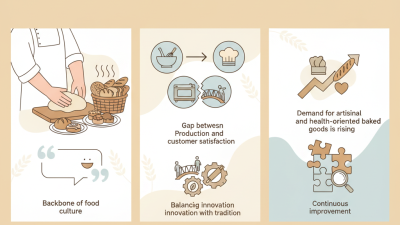
Bakery production matters to global buyers because it connects food quality, supply stability, and commercial growth. Bread, pastries, biscuits, and cakes depend on controlled ingredients, skilled workers, reliable equipment, and careful timing. A small temperature change can affect texture, volume, and shelf life. Buyers therefore examine more than product photographs or attractive prices.

Experienced procurement teams assess production capacity, batch consistency, hygiene systems, packaging strength, and delivery performance. They may request samples from different production dates. They may also review ingredient specifications, allergen controls, traceability records, and relevant certifications. These details help buyers compare suppliers with greater confidence. They also reduce risks during long-distance shipping, customs clearance, and retail distribution.

The benefits are practical. Strong bakery production can support private-label programs, seasonal launches, and steady supermarket supply. It can also help manufacturers adjust sweetness, portion size, packaging, or baking methods for different markets. However, no production system is flawless. A low quotation may hide weak packaging or unstable raw-material sourcing. Even a respected supplier can face delays during peak seasons. Buyers should ask difficult questions and verify actual performance. That takes time. Yet careful evaluation often protects margins and customer trust. Global sourcing is not simply about finding more products. It is about finding a bakery partner that can repeat the right result, safely and transparently, across many shipments.
Why Is Bakery Production Important for Global Buyers?

Definition and Scope of Bakery Production

Bakery production is the organized conversion of grains, fats, sugars, liquids, and functional ingredients into edible baked goods. Its scope includes formulation, mixing, fermentation, shaping, baking, cooling, packing, storage, and delivery. It covers bread, rolls, pastries, cakes, biscuits, and frozen or par-baked products. This definition matters because global buyers often compare suppliers with different production boundaries.

FAO data has placed annual global wheat production above 780 million tonnes in recent crop years. That enormous raw-material base supports a diverse bakery supply chain, but wheat is only one part of production. Water quality, yeast activity, oven temperature, shelf-life testing, and packaging performance can change the final result. Small process differences matter.

A 2024 market report by IMARC Group estimated the global bakery products market at more than US$500 billion. Such figures show the sector’s scale, although market definitions vary. Some reports include biscuits and snack cakes; others separate them. This inconsistency deserves attention. Buyers should verify product categories, manufacturing capacity, ingredient specifications, food-safety controls, and export documentation before comparing quotations. In practical production, a clean cooling room and stable batch records may reveal more than an impressive factory photograph. The scope is broad. It is also imperfect.

How Bakery Production Supports the Global Food Supply

Bakery production supports the global food supply by converting basic ingredients into practical, ready-to-eat foods. For global buyers, it creates steady access to bread, rolls, pastries, and other staples. A controlled production line can deliver consistent weight, texture, and packaging across large orders. This consistency matters. It helps distributors plan warehouse space and retail deliveries with fewer surprises. Regional bakeries can also use local grains, reducing dependence on distant ingredient sources.

Reliable production requires more than a large oven. Experienced facilities check ingredient quality, mixing time, baking temperature, and cooling conditions. They also record each batch for traceability. Allergen controls and hygienic handling protect workers and consumers. Clear labels support safer international trade. Frozen dough and extended-shelf-life products can reduce waste when transport takes several days. Yet these solutions need strict temperature control. A broken cold chain can damage quality quickly.

Bakery production also gives buyers useful flexibility. A supplier may adjust portion sizes, recipes, or packaging for different markets. This supports school meals, hospitality businesses, supermarkets, and emergency food distribution. However, higher output can create pressure on labor, energy use, and ingredient availability. Some forecasts fail. Demand may change after production begins, leaving excess stock or urgent shortages. Buyers and producers need honest forecasts, realistic lead times, and regular quality reviews. Small improvements, such as better scheduling or stronger cartons, can prevent costly losses during long-distance shipping.

Key Stages in Commercial Bakery Manufacturing

Why Is Bakery Production Important for Global Buyers?

Key Stages in Commercial Bakery Manufacturing

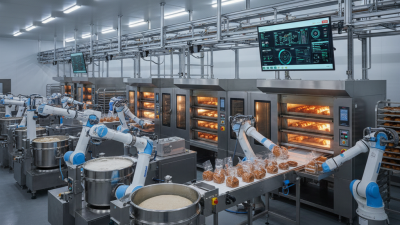
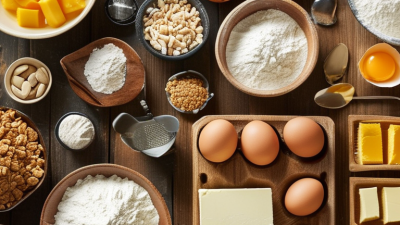
Commercial bakery manufacturing begins with controlled ingredient receiving. Flour, yeast, oils, and fillings need documented specifications, lot numbers, and storage conditions. Temperature and humidity records protect consistency before production starts. A small storage error can affect thousands of units.

Operators then weigh ingredients according to approved formulas. Industrial mixers develop the dough’s structure, while water temperature helps manage fermentation. The dough is divided into accurate portions and shaped using suitable equipment. During proofing, time and humidity require close monitoring. Under-proofed dough may bake densely. Over-proofed dough can collapse.

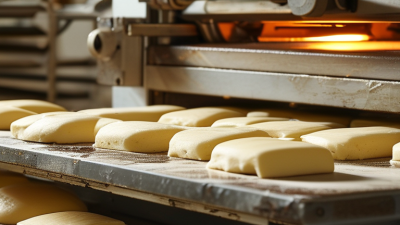
Baking converts the prepared dough into a stable product through controlled heat and airflow. Experienced teams check color, internal temperature, texture, and weight during each batch. Cooling must happen before packaging, or trapped moisture may soften the crust and shorten shelf life. Packaging lines then apply date codes, batch identification, and allergen information. These details support traceability for global buyers and their local requirements.

Quality checks should continue after packing. Samples can be tested for seal strength, appearance, moisture, and microbiological safety through qualified procedures. Production records also help buyers review deviations and corrective actions. No process is perfect. Equipment calibration may drift, and human judgment still matters. A reliable manufacturer investigates small inconsistencies instead of hiding them. Shipping trials are also useful because vibration, temperature changes, and long transit times can expose weaknesses that factory testing misses.

Why Is Bakery Production Important for Global Buyers? - Key Stages in Commercial Bakery Manufacturing
No. Production Stage Typical Commercial Parameters Key Quality and Safety Controls Why It Matters to Global Buyers Useful Buyer Documents or Data
1 Ingredient Sourcing and Receiving Flour, fats, sugars, eggs, yeast, water, salt and inclusions are received according to approved specifications. Storage conditions vary by ingredient, including ambient, chilled or frozen storage. Supplier approval, lot identification, allergen control, packaging integrity, shelf-life verification and temperature checks for chilled or frozen materials. Consistent raw materials help reduce batch variation, shipment claims and unexpected changes in product texture, flavor or shelf life. Ingredient specifications, certificates of analysis, allergen statements, country of origin and lot-traceability records.
2 Weighing and Recipe Batching Ingredients are weighed according to a controlled formula. Automated dosing may be used for high-volume ingredients, while minor ingredients are often verified separately. Calibrated scales, recipe version control, batch coding, double checks and prevention of cross-contact between allergens. Accurate batching supports repeatable specifications across production runs and different manufacturing locations. Approved formula, batch record, weighing verification and allergen-control procedure.
3 Mixing and Dough Development Mixing time and speed depend on the product. Yeast-raised dough commonly requires controlled dough temperature and sufficient gluten development; batter products require a different mixing profile. Dough temperature, mixing time, consistency, hydration and gluten development are monitored against product specifications. Correct dough development affects volume, crumb structure, machinability and product uniformity after transport and storage. Process specification, dough-temperature records, mixing logs and batch identification.
4 Fermentation, Resting or Proofing Yeast-leavened products are commonly proofed in a controlled environment. Commercial proofing may use temperature and relative-humidity control, with time adjusted to dough formulation and size. Proofing time, temperature, humidity, dough expansion and process sanitation are controlled to prevent under-proofing, over-proofing and contamination. Stable proofing improves product height, crumb texture, appearance and consistency between export batches. Proofing records, environmental monitoring results and product inspection criteria.
5 Dividing, Moulding and Forming Dough or batter is portioned into defined weights and formed into the required shape. High-speed equipment is used for many standardized products. Piece weight, dimensions, shape, sealing quality and equipment hygiene are checked during production. Consistent portion size supports accurate net weight, predictable baking performance and efficient container utilization. Weight-control records, dimensional tolerances, product drawings and sampling plans.
6 Baking Commercial baking commonly uses controlled oven zones. Product temperature, baking time and oven profile vary by recipe, size, moisture content and equipment. Time-temperature control, internal product temperature, color, moisture, texture and food-safety requirements are verified. Baking determines core safety, flavor, structure, moisture level and resistance to quality loss during international distribution. Baking profile, critical-control-point records, moisture results and finished-product specifications.
7 Cooling and Stabilization Products are cooled before slicing, filling or packaging. Cooling duration depends on product size, recipe, airflow and packaging requirements. Core temperature, condensation prevention, cooling-room hygiene, product handling and foreign-material controls are monitored. Proper cooling helps prevent condensation, mold growth, slicing defects, package deformation and reduced shelf life. Cooling records, environmental hygiene checks, shelf-life study and handling procedures.
8 Filling, Slicing and Finishing Depending on the product, operations may include slicing, filling, glazing, topping, decorating or portioning. Fill weight, slice thickness, appearance, seal integrity, allergen segregation and equipment sanitation are checked. Finishing quality strongly influences retail presentation, customer acceptance and product damage during handling. Finished-product standards, visual-quality limits, weight checks and sanitation records.
9 Packaging and Labelling Packaging may be designed for ambient, chilled or frozen distribution. Label information commonly includes product identity, ingredients, allergens, net quantity, lot code and date marking. Seal integrity, packaging materials, label accuracy, coding, net weight and applicable destination-market requirements are verified. Correct packaging protects the product, supports customs clearance and reduces regulatory, labeling and retail-distribution risks. Artwork approval, packaging specifications, label compliance review, lot-code format and packaging test results.
10 Final Inspection and Release Finished products are sampled against agreed specifications before release. Checks may cover weight, appearance, texture, microbiology and packaging condition. HACCP-based controls, traceability, foreign-material detection, microbiological testing where applicable and corrective-action procedures. Independent release controls provide evidence that each shipment meets contractual quality and food-safety requirements. Certificate of analysis, batch release record, inspection report, traceability file and nonconformance report if required.
11 Storage, Logistics and Export Distribution Products are stored and transported according to their stability requirements, with defined pallet patterns, carton limits and temperature conditions where applicable. First-expiry-first-out control, temperature monitoring, pallet protection, transport documentation and shipment traceability are maintained. Effective logistics preserve freshness, reduce transit damage and help buyers manage lead time, inventory and landed cost. Storage conditions, shelf-life statement, pallet configuration, packing list, transport records and export documentation.

Quality, Safety, and Regulatory Requirements

Why Is Bakery Production Important for Global Buyers?

Quality, safety, and regulatory control determine whether bakery products can cross borders reliably. The World Health Organization estimates that unsafe food causes 600 million illnesses and 420,000 deaths each year. These figures make production discipline a commercial requirement, not a minor technical issue. A clean mixing room, controlled proofing temperature, and documented cooling time can reduce microbial risks. However, appearance alone proves little.

Global buyers should examine ingredient specifications, allergen controls, supplier approval, and batch traceability. Codex Alimentarius’ General Principles of Food Hygiene recommends HACCP-based controls across the food chain. For bakery goods, this includes managing flour, eggs, dairy ingredients, fillings, and post-baking handling. Packaging must also protect products from moisture, contamination, and misleading claims. Small gaps matter. A missing lot code can delay a recall.

Regulatory expectations differ between markets. Buyers may need verified allergen declarations, nutrition information, shelf-life evidence, and records supporting permitted additives. The World Bank estimated that unsafe food costs low- and middle-income economies about 110 billion dollars annually in productivity and medical expenses. That figure shows the wider cost of weak controls. Still, certificates should not replace practical audits. A facility may have polished paperwork yet poor handwashing habits. Experienced buyers should compare test results with factory conditions, review corrective actions, and question results that look unusually perfect. Mistakes happen. Concealing them creates greater risk.

Why Is Bakery Production Important for Global Buyers?

Quality, safety, and regulatory requirements shape bakery export readiness.

Global bakery buyers assess whether suppliers can identify allergens, control contamination risks, and meet destination-market labeling rules. The European Union requires declaration of 14 regulated allergen categories, while the United States recognizes 9 major food allergens, including sesame.

Sources: European Commission, Regulation (EU) No 1169/2011; U.S. Food and Drug Administration, Food Allergy Safety, Treatment, Education, and Research Act of 2021.

Trade and Sourcing Benefits for Global Buyers

Why Is Bakery Production Important for Global Buyers?

Trade and Sourcing Benefits for Global Buyers

Bakery production matters because it connects food quality with dependable international trade. For global buyers, a capable producer can offer stable recipes, scalable output, and clearer shipment planning. This makes sourcing less dependent on local market shortages. Details matter. Buyers can compare ingredient specifications, packaging formats, minimum order quantities, and production schedules before signing contracts. During factory visits, they should inspect mixing areas, baking lines, cooling rooms, and storage conditions. A documented quality system can support traceability from raw materials to finished cartons. That evidence builds trust, although paperwork alone never proves daily performance.

Consistency is another major sourcing benefit. Export orders often require identical size, texture, moisture levels, and labeling across multiple batches. Good producers use calibrated equipment, batch records, and trained staff to reduce variation. Costs move. Freight rates, energy prices, and seasonal ingredients can change quickly. A supplier with practical forecasting can help buyers adjust volumes without damaging service levels. Still, no sourcing plan is perfect. Weather, labor shortages, and delayed inspections can disrupt delivery. These risks require honest lead times, backup production capacity, and regular communication.

In practical sourcing work, trial orders reveal more than presentations. Buyers can test arrival condition, shelf performance, carton strength, and customer acceptance. If products arrive soft or damaged, the supplier should investigate instead of blaming transport immediately. That response shows professional accountability. Buyers should also review food safety records, allergen controls, export experience, and recall procedures. Not every supplier fits every market. A clear trial order, measurable specifications, and direct questions can expose weak assumptions before larger commitments are made. Question assumptions. Reliable trade begins with evidence, not promises.