How to Choose a Bakery Manufacturing Supplier in 2026
Choosing a bakery manufacturing supplier in 2026 is not just a price comparison. It is a decision about product consistency, food safety, production capacity, and dependable delivery. A low quote can look convincing until a late ingredient shipment leaves ovens idle. Small details matter.
Use credible reports to frame the evaluation. PMMI’s 2024 State of the Industry report on U.S. packaging machinery can help buyers assess automation and packaging capabilities. The USDA Economic Research Service’s Food Dollar Series offers context on how food-system value is distributed, though it is not bakery-specific. Treat both as reference points, not substitutes for supplier verification. Ask vendors for current capacity figures, quality records, traceability procedures, and documented lead times.
Then test claims against the product you actually sell. Request samples made to your recipe, and compare crumb, crust, dimensions, and shelf life after realistic storage. Walk the production floor if possible. Look for clean changeover areas, labeled ingredient bins, and maintenance records—not just polished machinery. Confirm how the supplier handles seasonal demand, substitutions, and rejected batches. Check whether its technical team can troubleshoot a mixer or line without lengthy delays.
Experience helps, but it is not proof. A long-standing supplier may still struggle with a new product format. I would leave room for doubt: an impressive audit cannot predict every production shift. Compare several suppliers using the same written criteria, then verify references from customers with similar volumes. That modest extra work can prevent costly surprises.
Define Your Bakery’s Production Needs and Supplier Requirements
Before comparing suppliers, map a normal production shift. Record output by product, peak-hour demand, batch size, changeover frequency, and available floor space. Include details such as dough hydration, tray dimensions, oven type, and cooling time. Small differences matter. A mixer rated for your daily volume may still struggle with dense dough or frequent recipe changes. The American Bakers Association’s 2024 economic-impact study estimates that the U.S. baking industry contributes about $186 billion to the economy. For an individual bakery, though, capacity must fit the actual line—not an industry average.
Turn that production map into measurable supplier requirements. Specify acceptable weight variation, target output per hour, cleaning time, spare-parts availability, and technician response expectations. Ask suppliers to demonstrate equipment using your own recipe and record rejects, changeover time, and product consistency. Get the results in writing. The FAO’s 2019 food-loss assessment estimated that 13.2% of food is lost between harvest and retail; it is not a bakery-specific figure, but it reinforces the value of tracking yield and avoidable waste. Include energy use and cleaning water in the comparison. I would leave room for uncertainty, too: a rushed test run may not reveal how a line performs during a busy week. A little awkwardness in the plan is better than a costly mismatch.
Assess Equipment, Ingredients, Capacity, and Technical Support
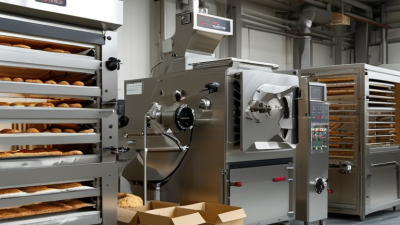
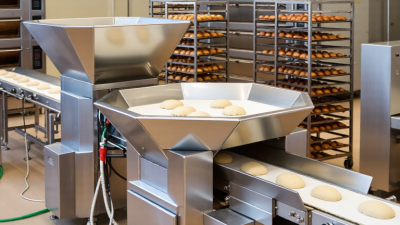
Choosing a bakery manufacturing supplier starts with the equipment, not the showroom tour. Ask to see the proposed mixer, divider, and oven running with a dough similar to yours. Watch how evenly pieces are portioned and whether the oven holds temperature across the rack. A polished display proves little. Request maintenance records, operating instructions, and details on replacement-part availability.
For ingredients, check how suppliers document batch consistency, storage needs, and delivery schedules. A flour sample may behave differently after a change in season, so run a production trial before committing to large orders. Record dough temperature, mixing time, and finished loaf weight; small variations can affect the whole line.
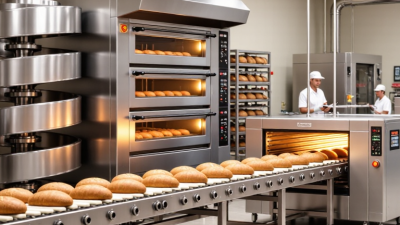
Capacity should match your busiest realistic shift, not just an optimistic brochure figure. Compare hourly output with changeover time, cleaning, and expected downtime. Ask what happens when one machine needs service. Technical support matters just as much: confirm response hours, remote troubleshooting options, and whether technicians can train operators on site. Get these details in writing.
Numbers can flatter. A supplier’s estimate may assume ideal staffing and uninterrupted production, which is rarely the full picture. Leave room for a second trial or a careful follow-up question; that extra check can reveal gaps neither side noticed during the sales meeting.
Verify Food Safety, Quality Standards, and Regulatory Compliance
When evaluating a bakery manufacturing supplier, look beyond polished sales materials. Ask for current food safety plans, audit reports, and records showing how problems are corrected. Check whether procedures cover handwashing, equipment sanitation, pest control, and ingredient storage. On a production-floor visit, observe how staff handle open ingredients and whether cleaning tools are clearly separated. Small details matter.
Traceability should work in both directions. Ask the supplier to demonstrate how one flour lot can be linked to finished products and delivery records. Review allergen controls, including changeover cleaning and label checks. A certificate alone is not enough, and it is easy to overvalue a tidy binder. Check its validity, scope, and issuing body, then compare it with actual practices. If records are incomplete, ask how gaps are investigated and documented.
Quality standards need measurable evidence. Request specifications for weight, dimensions, moisture, texture, and acceptable defect rates, then ask how samples are tested during production. Calibration records for scales and temperature probes can reveal whether measurements are dependable. Regulatory obligations vary by product and sales region, so confirm which requirements apply and how the supplier monitors changes. Do not rely on a confident verbal assurance. Request relevant permits, inspection records, and test results, and have qualified staff review any unclear documents before production begins.
Compare Pricing, Lead Times, and Supply Chain Reliability
When choosing a bakery manufacturing supplier in 2026, compare the full cost, not just the quoted unit price. Separate equipment, installation, freight, training, and spare parts on each proposal. Ask whether prices change with order volume or material costs. A low quote can become expensive when essential components are excluded. Check the warranty terms and the cost of replacing a worn belt or heating element.
Lead times need specific evidence. Ask for a written production schedule with approval, build, testing, and shipping dates. For a production line, confirm whether the oven, mixer, and conveyor arrive together. One delayed component can leave the rest of the equipment idle. Request recent delivery examples for comparable orders, but remember that past performance cannot guarantee your schedule. No forecast is perfect.
Supply chain reliability shows in the details. Ask where critical components come from, how stock shortages are handled, and whether substitute parts require your approval. Check the supplier’s service response time and access to maintenance support. A spreadsheet can make a fragile option look precise; give extra weight to clear communication and verifiable commitments. If a supplier cannot explain how it will handle a missed shipment, note that gap before signing.
How to Choose a Bakery Manufacturing Supplier in 2026 - Compare Pricing, Lead Times, and Supply Chain Reliability
| Supplier Profile |
Indicative Delivered Cost |
Typical Lead Time |
Minimum Order |
On-Time Delivery Assumption |
Supply Chain Strength |
Best Fit |
| Regional bakery manufacturer |
US$28–$36 per case |
2–4 weeks |
100–300 cases |
92–96% |
Shorter transport routes; typically quicker response to schedule changes. |
Frequent replenishment and regional distribution. |
| Mid-sized multi-site manufacturer |
US$25–$34 per case |
3–6 weeks |
300–800 cases |
94–97% |
More production capacity and potential backup-site options; confirm product equivalency across sites. |
Growing demand that needs a balance of flexibility and capacity. |
| Large-scale national manufacturer |
US$22–$31 per case |
6–10 weeks |
1,000+ cases |
95–98% |
Higher-volume production and broader distribution reach; longer booking windows may apply. |
Stable, high-volume programs with forecast visibility. |
| Specialty or artisan-focused manufacturer |
US$34–$48 per case |
4–8 weeks |
150–500 cases |
90–96% |
More room for recipe or format customization; specialized ingredients can increase sourcing risk. |
Differentiated products and smaller, planned production runs. |
Comparison basis: Illustrative planning ranges for frozen par-baked dinner rolls, packed 60 pieces per case and delivered within a domestic market. Costs are example estimates, not supplier quotations; actual prices vary by recipe, packaging, volume, freight, fuel surcharges, and contract terms. Lead times are indicative and depend on capacity and ingredient availability.
Reliability check: On-time delivery percentages above are scenario assumptions, not verified supplier performance data. Request each supplier’s trailing 12-month on-time-in-full results, production capacity, ingredient contingency plans, food-safety certifications, and disruption-notification process before making a decision.
Evaluate Supplier Performance Before Making a Long-Term Commitment
A bakery manufacturing supplier should prove its performance under real production conditions, not only during a polished sales demonstration. The American Bakers Association’s U.S. Baking Industry Economic Impact Study estimates that the industry generates $186 billion in economic output and supports about 800,000 jobs. That scale makes a supplier’s missed delivery or slow service more than a purchasing inconvenience. Ask for documented on-time delivery, equipment uptime, repair response times, and spare-parts availability. Then verify the figures against references and a production trial. Small faults matter.
During the trial, record dough consistency, changeover time, reject rates, and cleaning duration. Check whether operators can reach the controls easily and whether service technicians explain recurring faults clearly. The Food and Agriculture Organization estimated that 14% of food is lost between harvest and retail in its 2019 report, The State of Food and Agriculture. That figure is not bakery-specific, but it reinforces the value of controlling waste across food supply chains. Request sample maintenance logs and corrective-action records, not just polished averages. A supplier may perform well in a short test yet struggle during seasonal peaks; no scorecard fully captures that risk. Set review dates and measurable service thresholds in the contract, while leaving room to revisit assumptions after the first few months.