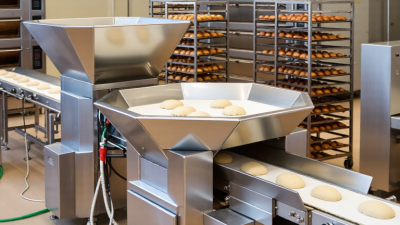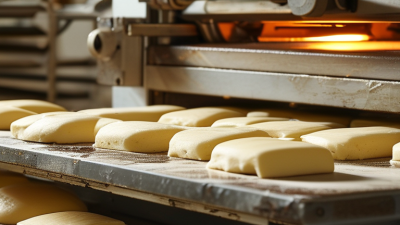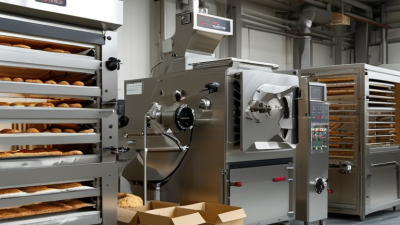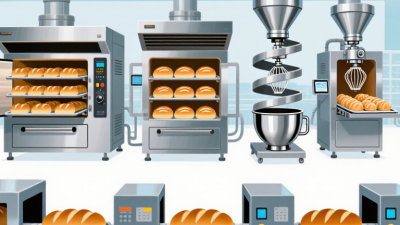
China has become a major manufacturing base for commercial bakery machinery, from spiral mixers to tunnel ovens. Choosing the right supplier, however, requires more than comparing catalog prices.
Industry estimates show steady demand. Allied Market Research valued the global bakery processing equipment market at about USD 11.4 billion in 2021. Its report projected the market could reach approximately USD 19.2 billion by 2031. Mordor Intelligence also identifies Asia-Pacific as a strong growth region, supported by expanding retail bakeries and automated food production. These figures differ between reports. That difference deserves attention.
A reliable supplier should provide more than stainless-steel equipment. Buyers need verifiable factory experience, documented testing, clear electrical specifications, and responsive after-sales support. A production line may include a 100-kilogram spiral mixer, a rotary rack oven, or a cooling conveyor with precise temperature controls. Each detail affects product consistency, labor use, and energy costs.
This guide examines China’s top bakers bakery equipment suppliers through practical purchasing criteria. These include manufacturing capacity, export experience, customization ability, certifications, spare-parts access, and installation support. Supplier rankings are never completely objective. A large factory may suit an industrial plant, while a smaller manufacturer may better support a growing bakery.
The best choice depends on your recipes, output targets, workspace, and local service needs. Ask for machine videos, factory references, test-baking records, and maintenance schedules. A polished website is not enough. Real evidence matters.
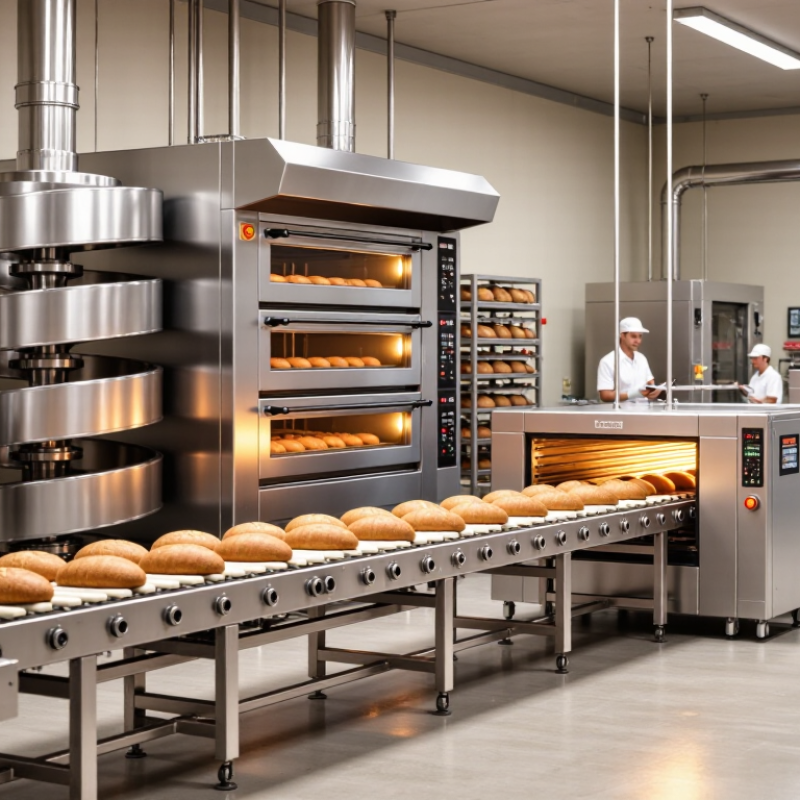
China’s top bakery equipment suppliers are defined by engineering discipline, not low prices alone. A leading supplier understands dough temperature, hydration, fermentation, and production speed. It also provides tested solutions for mixers, proofers, ovens, cooling systems, and packaging lines.
Fortune Business Insights valued the global bakery equipment market at about USD 13.02 billion in 2023. Its report projects growth to roughly USD 18.36 billion by 2032. This growth increases demand for reliable automation and energy-efficient machines. A capable Chinese supplier should show factory testing records, food-contact material certificates, electrical compliance documents, and clear warranty terms. Site installation matters too. Poor calibration can damage dough quality within one production shift. The paperwork may look perfect. Performance still needs proof.
Tips: Ask for sample production using your own flour and recipes. Check hourly output, temperature stability, cleaning time, and reject rates. Request spare-parts lists before signing. Visit the manufacturing site when possible. Speak with existing users, not only sales staff. TÜV Rheinland and other testing bodies emphasize traceability and risk-based quality controls in industrial equipment. These checks create stronger evidence than attractive photographs.
I would also inspect software access and operator training. Many buyers focus on capacity figures, then discover that local staff cannot adjust the system quickly. That is a costly weakness. A leading supplier should explain limitations openly, including maintenance intervals and expected energy use. No supplier is perfect. Honest technical answers are often more valuable than an impressive catalogue.
Chinese bakery equipment suppliers often cover a complete production line, from dough preparation to packing. Spiral mixers handle heavy dough with less manual effort. Planetary mixers suit creams, batters, and smaller batches. Dough dividers create more consistent portions, while rounders improve shape before proofing. These machines matter when staff need repeatable results during busy morning production.
Deck ovens provide controlled heat for bread, pastries, and flat products. Convection ovens circulate hot air around trays, making them useful for cookies and delicate pastries. Rotary rack ovens support larger output and reduce tray handling. Proofers manage temperature and humidity, although poor calibration can dry the dough surface. Sheeters, slicers, cooling racks, and filling machines complete many practical bakery setups.
From equipment evaluations, I check more than the listed capacity. Stainless steel grade, motor power, voltage, temperature recovery, and cleaning access deserve attention. Ask suppliers for factory test videos, operating manuals, spare-parts lists, and sample production runs. Small details matter. A door seal, drain position, or noisy bearing can affect daily costs. Low prices look attractive, but some quotes exclude molds, installation, or shipping protection. I would also request clear warranty terms and electrical documents before payment. Suppliers with export experience usually explain these points better, though mistakes still happen. Verify every specification.
Choosing China’s top bakery equipment suppliers requires more than comparing prices. Examine stainless steel grades, weld quality, insulation, and component placement. A reliable oven should heat evenly, recover temperature quickly, and protect operators from exposed hot surfaces. Ask for factory videos, production records, and recent inspection reports. Photos can hide rough edges.
Certifications matter, but documents need verification. Check whether safety certificates match the exact model, voltage, and factory address. Request test reports from recognized laboratories and confirm their issue dates. Manufacturing standards should cover electrical safety, food-contact materials, calibration, and traceability. During a factory visit, inspect storage areas, assembly lines, and final testing. In my experience, small details reveal more than polished showrooms. A loose panel or unclear serial number deserves attention. I may miss hidden issues, so independent inspection remains worthwhile.
Tips: Request a sample batch test before signing a large order. Measure temperature stability during real baking cycles. Keep written acceptance criteria for noise, energy use, and finish quality. Ask how rejected parts are recorded. A supplier that admits occasional defects may be more credible than one claiming perfection. Verify after-sales response times, spare-part availability, and technician training. These checks help connect certificates with actual manufacturing discipline.
China Top Bakers Bakery Equipment Suppliers: Top Factors for Comparing Chinese Bakery Equipment Suppliers
Choosing a Chinese bakery equipment supplier requires more than comparing prices. A low quotation may exclude installation, spare parts, or protective packaging. Compare the complete cost, including shipping, commissioning, training, and future maintenance. Ask for clear technical drawings, electrical specifications, production capacity, and material details. Stainless steel surfaces should be easy to clean and suitable for daily commercial use. Request videos of similar machines operating with dough, batter, or filled products. Real evidence is more useful than polished promises.
Reliability often appears in small details. Check response times, warranty terms, replacement-part availability, and service languages. Ask whether the supplier performs load testing before shipment. A factory visit or live video inspection can reveal workshop organization, inspection records, and assembly quality. An independent inspection may cost extra, but it can prevent expensive surprises. I have seen buyers focus too heavily on the initial price. That approach can fail when delivery schedules change or technical support becomes slow. No comparison is perfect. Your own production conditions still matter.
Tips: Compare at least three written quotations. Use the same specifications for each supplier. Request a sample batch or test run when possible. Confirm voltage, oven temperature accuracy, belt width, and cleaning access. Keep every promise in the contract, not only in chat messages. Also, allow time for staff training. A machine can be well built, yet perform poorly when operators receive unclear instructions.
This chart presents a practical buyer-priority framework for evaluating bakery equipment suppliers. Food-contact compliance, machine performance, after-sales service, customization, delivery reliability, and total cost should be reviewed together rather than judged by price alone. The percentages represent suggested evaluation weights, not individual company results.
Selecting the right Chinese bakery equipment supplier starts with your production plan, not a price list. Define daily output, product sizes, heating methods, available floor space, and local power conditions. A supplier should translate these details into clear layouts, equipment specifications, and utility requirements. Vague proposals create expensive changes later.
Request factory photographs, testing records, material specifications, and references from bakeries with similar workloads. Check whether the supplier performs load testing before shipment. Ask how technicians handle installation, operator training, spare parts, and remote troubleshooting. Reliable communication matters when a mixer stops during a night shift. Confirm documentation for electrical safety, food-contact materials, and applicable import requirements. Independent inspections can verify claims before the final payment.
Experience has taught me that the cheapest quotation rarely shows the complete project cost. Freight, commissioning, molds, ventilation, and maintenance may appear later. Compare the full ownership cost over several years. A small production trial is useful, but it cannot reproduce every seasonal demand. That limitation deserves attention. Visit the facility when possible, observe cleanliness, production control, and packaging methods. Speak with recent customers, not only the references selected by the supplier. Keep every drawing, promise, and revision in writing. One overlooked detail, such as a door width, can delay installation and disrupt the opening schedule.
| Evaluation Dimension | Recommended Weight | What to Evaluate | Practical Benchmark or Requirement | Documents and Evidence to Request |
|---|---|---|---|---|
| Technical Fit | 20% | Whether the proposed equipment matches the product type, production process, batch size, available space, and utility conditions. | Supplier should provide a complete layout, process flow, capacity calculation, and utility list before quotation. | Technical proposal, equipment drawings, process flow diagram, production-capacity calculation, and utility schedule. |
| Production Capacity | 15% | Rated output, working cycle, loading method, operating hours, and expected utilization rate. | Compare capacity using the same unit, such as kilograms per hour, trays per hour, or batches per day. Confirm whether the figure is theoretical or tested. | Factory test data, sample-product trial results, capacity assumptions, and recommended operating parameters. |
| Food-Contact Safety | 15% | Materials, hygienic design, cleanability, product-contact surfaces, and protection against contamination. | Product-contact parts should be identified clearly, with suitable food-contact materials and smooth, easy-to-clean surfaces. | Material certificates, hygiene specifications, cleaning instructions, weld-quality information, and applicable conformity documents. |
| Build Quality and Reliability | 12% | Frame construction, electrical components, drive systems, insulation, safety devices, and expected service life. | Request a component list, maintenance intervals, safety-device details, and a clear distinction between standard and optional parts. | Bill of materials, preventive-maintenance schedule, safety assessment, inspection records, and factory quality-control procedure. |
| Energy and Operating Cost | 10% | Installed power, gas or steam consumption, heat recovery, idle consumption, and labor requirements. | Compare total operating cost over the planned production volume rather than comparing purchase price alone. | Energy-consumption data, utility estimates, operating assumptions, and annual-cost calculation based on the buyer's conditions. |
| Customization and Integration | 8% | Ability to adapt dimensions, controls, conveyors, packaging interfaces, recipes, and production-line communication. | Supplier should identify all interfaces and responsibilities when connecting the equipment with upstream or downstream machinery. | Customized layout, interface list, control-system description, integration responsibility matrix, and change-control procedure. |
| Testing and Acceptance | 8% | Pre-shipment inspection, performance testing, sample-product validation, and acceptance criteria. | Use written acceptance criteria covering output, temperature or process accuracy, safety functions, noise, and product quality. | Factory acceptance test plan, inspection checklist, test video or report, approved samples, and corrective-action records. |
| Installation and Commissioning | 5% | Installation guidance, technician availability, commissioning method, operator training, and start-up support. | Confirm the number of installation days, required site conditions, training hours, and who pays travel and local service costs. | Installation scope, site-preparation checklist, commissioning protocol, training plan, and service schedule. |
| After-Sales Service | 4% | Response time, spare-parts availability, remote diagnosis, warranty handling, and technical communication. | Obtain a written service-level commitment and recommended spare-parts list for at least the initial operating period. | Warranty terms, service contact details, response-time commitment, spare-parts price list, and troubleshooting guide. |
| Commercial Terms and Total Cost | 3% | Equipment price, shipping scope, taxes, installation, training, spare parts, payment schedule, and cost of ownership. | Compare quotations on the same delivery basis and include all one-time and recurring costs in the evaluation. | Itemized quotation, delivery terms, payment schedule, warranty exclusions, spare-parts quotation, and total-cost worksheet. |
| Recommended Selection Method | Score each supplier from 1 to 5 for every dimension, multiply the score by the recommended weight, and verify all high-risk items before signing the contract. A supplier should not be selected on price alone. | |||