2026 Best Bakery Appliances for Global Buyers?

Choosing the right bakery appliances in 2026 requires more than comparing prices and polished product photos. Global buyers must examine capacity, energy use, durability, maintenance, and local service support. A compact convection oven may suit a neighborhood pastry shop, while a high-output deck oven fits a central production kitchen. The best choice depends on workflow, not popularity.

This guide evaluates mixers, ovens, proofers, refrigerators, dough sheeters, and other essential bakery appliances for international purchasing decisions. It considers practical details, including stainless-steel construction, bowl size, temperature stability, voltage compatibility, and replacement-part availability. A machine rated for 220 volts may not operate safely in every market. Buyers should confirm plug types, warranty terms, import requirements, and recognized safety certifications before ordering.

Real bakery experience also reveals less visible concerns. A powerful mixer can shorten production time, yet it may increase noise and cleaning demands. A digital oven may offer precise controls, but complicated software can frustrate small teams. Not every expensive appliance performs better in daily use. Testing demonstrations, service records, and user feedback deserve careful attention. Some product data may be incomplete or difficult to compare across countries. That limitation matters. This overview therefore focuses on verifiable specifications, realistic operating needs, and long-term value. It aims to help distributors, café owners, hotel kitchens, and professional bakers make more confident choices without ignoring practical weaknesses.
2026 Best Bakery Appliances for Global Buyers?

What Are Bakery Appliances and Why Do They Matter in 2026?

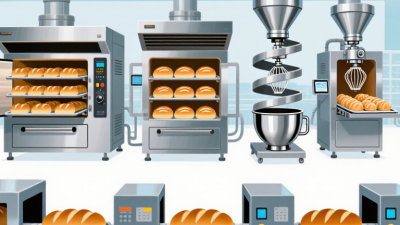
Bakery appliances are the working equipment behind mixing, fermentation, baking, cooling, and storage. They include dough mixers, deck or convection ovens, proofing cabinets, slicers, chillers, and accurate weighing systems. In 2026, global buyers need more than attractive specifications. They need equipment that fits local power systems, production volumes, kitchen space, and food safety requirements.

A reliable mixer should handle repeated batches without overheating. An oven should maintain stable temperature across its chamber. Small temperature changes can alter crust color, moisture, and baking time.

Proofers also matter because controlled humidity supports more consistent dough development. I have found that simple controls often perform better in busy kitchens. Complex features can confuse staff, especially during shift changes.

Energy use now deserves careful attention. Insulated ovens, efficient motors, and standby controls may reduce operating costs over time. However, an energy-saving claim needs independent testing or clear technical data.

Buyers should check manuals, warranty terms, cleaning access, spare-part support, and operator training before ordering. A low purchase price can become expensive when service is slow.

Not every advanced appliance suits every bakery. A smaller shop may gain more from dependable capacity than unnecessary automation. Mistakes still happen. Careful testing with local ingredients remains essential.

How Are Bakery Appliances Classified by Production Task?

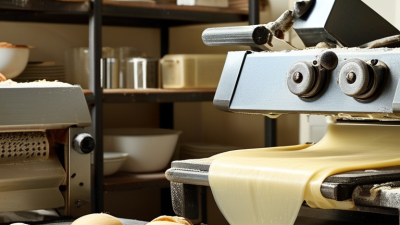
Bakery appliances are best classified by the production task they perform, not only by their size or heating method. Preparation equipment includes mixers, dough dividers, sheeters, and depositors. These machines control dough consistency, portion weight, and shaping speed. For fermentation, proofing cabinets regulate temperature and humidity before baking. This stage is easy to underestimate. Small changes can affect volume and crumb texture.

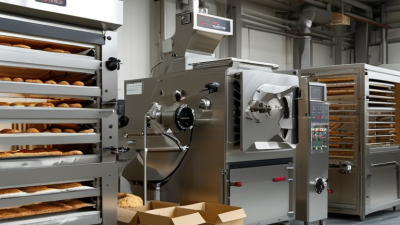
Baking equipment forms the heat-processing group. Convection ovens suit products needing even airflow, while deck ovens support controlled heat transfer for bread and pastries. Rack ovens can handle larger batches with repeatable loading. Cooling racks, slicers, glazing units, and packaging machines belong to the post-baking group. Each task needs different controls, cleaning access, and operator skills. In real production planning, one appliance may serve several tasks, but this can reduce efficiency.

Tips: Match equipment capacity with hourly output, not the busiest seasonal order. Check electrical voltage, gas requirements, ventilation, floor space, and replacement-part access before purchase. Food-contact surfaces should be easy to inspect and sanitize. Keep a written test record for dough weight, proofing time, and baking temperature. A compact machine may appear economical, yet frequent manual handling can increase labor and inconsistency. I have seen production plans fail because they measured oven capacity but ignored cooling time. That mistake is common, and worth reviewing carefully.

Which Features Should Global Buyers Evaluate?

When selecting bakery appliances for international production, global buyers should examine voltage, frequency, and plug compatibility before comparing output. A unit designed for one electrical system may perform poorly elsewhere. Request the rated power, phase requirements, and wiring instructions in writing. Confirm that local technicians can install it safely. Small details matter.

Temperature control deserves practical testing. Ask whether the appliance maintains stable heat during repeated batches, not only during an empty demonstration. A variation of a few degrees can change crust color, moisture, and baking time. Look for insulated doors, clear displays, programmable settings, and independent temperature sensors. Test recovery time after opening the door. Fast recovery can reduce uneven results.

Capacity should match the bakery’s actual workflow. More trays are not always better. Measure tray dimensions, clearance, loading height, and available floor space. Cleaning access is equally important. Removable panels, smooth corners, and washable components can reduce downtime. Check spare-part availability, service response times, warranty terms, and translated manuals. These points often receive less attention than price.

Safety documentation must be verifiable. Buyers should request electrical certifications, food-contact material details, emergency controls, and maintenance records where applicable. Noise and heat release also affect staff comfort, especially in small kitchens. A supplier may promise easy operation, but operators should still test the controls with gloves and wet hands. Real use can expose weaknesses that brochures hide. Pushing for the lowest price can be reasonable, but ignoring training and support may create higher costs later.

2026 Best Bakery Appliances for Global Buyers? - Which Features Should Global Buyers Evaluate?

Comparative evaluation guide based on typical commercial bakery equipment specifications and operating requirements.

Appliance Category Typical Commercial Capacity Typical Operating Range Common Utility Requirement Features Global Buyers Should Evaluate Important Verification Points Best-Fit Production Use
Deck Oven 1–4 decks; commonly 1–4 trays per deck Approximately 50–300°C, depending on model and product Electricity; some models use gas; steam may require water and drainage Independent top and bottom heat, steam injection, stone or steel hearth, programmable recipes, insulated doors Local voltage and frequency, phase configuration, ventilation, chamber dimensions, steam-water quality, tray compatibility Artisan bread, pizza, pastries, cookies and products requiring strong bottom heat
Convection Oven 4–20 trays; tray sizes often include 400 × 600 mm or 600 × 400 mm Approximately 50–300°C; fan-assisted air circulation Electricity or gas; optional water connection for humidity functions Even airflow, adjustable fan speed, humidity control, multi-stage programs, easy-clean interior Heat distribution tests, door clearance, exhaust requirements, electrical load, cleaning access and spare heating elements Cakes, cookies, pastries, bread rolls and mixed-product bakeries
Rack Oven One rolling rack; commonly 16–32 trays Approximately 50–300°C, with controlled steam and airflow Electricity or gas; water supply, drainage and ventilation may be required Rotating rack, steam system, programmable baking cycles, reversible airflow, thermal insulation Rack size, floor loading, ceiling height, door opening, gas regulations, water treatment and installation access High-volume bread, rolls, laminated products and standardized batch production
Spiral Dough Mixer Approximately 20–300 kg of dough per batch Commonly 1–2 mixing speeds; batch cycles often 8–20 minutes Three-phase electricity is common for larger units Variable speed, stainless-steel bowl, dough temperature control, timer, safety guard, removable scraper Minimum and maximum batch size, motor protection, bowl rotation, overload performance, sanitation and replacement parts Bread dough, pizza dough, enriched dough and other medium-to-high hydration doughs
Planetary Mixer Approximately 10–80 litres of bowl volume Multiple speeds; attachments may include whisk, beater and dough hook Single-phase for smaller units; three-phase for larger units Variable-speed control, bowl lift, interchangeable tools, timer, electronic overload protection Actual dough capacity rather than bowl volume, attachment availability, operator safety, cleaning time and tool durability Cakes, creams, fillings, batters, light doughs and small-batch bakery production
Dough Divider and Rounder Common portion ranges of approximately 30–1,000 g; output varies by model Often 600–3,000 pieces per hour, depending on portion size and automation level Electricity; some systems use compressed air Adjustable portion weight, gentle dough handling, automatic rounding, flour-dust control, quick changeover Weight accuracy, dough type compatibility, cleaning procedures, noise level, line integration and operator training Bread rolls, buns, pizza dough balls and portion-controlled products
Retarder-Proofer Typically 10–40 trays or one rolling rack Cooling commonly around 0–10°C; proofing commonly around 25–40°C with controlled humidity Electricity; water or drain connection may be needed for humidification and defrost management Programmable time-temperature cycles, humidity control, automatic defrost, insulated panels and data logging Temperature uniformity, humidity accuracy, refrigeration performance in local climate, drainage and door-seal quality Overnight fermentation, scheduled proofing, labor management and production consistency
Blast Chiller or Freezer Approximately 5–40 trays or 10–100 kg per cycle Chilling commonly to about 3°C; freezing commonly to about −18°C at the product core Electricity; drainage and adequate room ventilation are commonly required Core-temperature probe, rapid cooling cycle, programmable controls, automatic defrost and food-safe interior Cooling performance under full load, refrigerant regulations, ambient-temperature limits, cleaning access and HACCP documentation Cream cakes, filled pastries, prepared dough, desserts and food-safety-sensitive products
Buyer note: Capacity, temperature range, power consumption and output are typical commercial-market ranges, not universal specifications. Global buyers should confirm local voltage and frequency, certifications, import requirements, installation conditions, warranty coverage, spare-parts availability and total operating cost before purchase.

How Do Power, Safety, and Compliance Vary by Region?

2026 Best Bakery Appliances for Global Buyers?

Power requirements change sharply by region. North American commercial kitchens commonly use 120, 208, or 240 volts at 60 Hz. Many European systems use 220–240 volts at 50 Hz. Several Asian, Middle Eastern, and African markets combine different voltage and frequency systems. A 12 kW deck oven may therefore need single-phase power in one market, but three-phase supply elsewhere. The International Energy Agency’s Electricity 2024 report expects global electricity demand to grow by about 3.4% annually through 2026. Efficient heating design now matters for operating costs, not only purchase price.

Safety certification must match the installation country. IEC 60335-2-42 covers safety requirements for commercial electric ovens and steam cookers. However, local authorities may require additional testing, wiring protection, grounding, or inspection. European buyers should check Low Voltage, EMC, and RoHS obligations before importing. North American projects often require equipment evaluation against applicable commercial cooking safety standards. Australia and New Zealand use regionally adapted IEC requirements. Documentation matters.

A practical check includes voltage, frequency, phase, plug type, breaker capacity, ventilation, and ambient temperature. Do not trust a product page alone. Ask for the declaration of conformity, test reports, installation limits, and spare-part procedures. Energy labels are useful, but commercial bakery data remains uneven across regions. That is an uncomfortable gap. A lower-rated appliance may also bake more slowly, increasing total energy use. Buyers should compare measured output, recovery time, and safety evidence under local conditions.

2026 Best Bakery Appliances for Global Buyers: Power, Safety, and Compliance by Region

Electrical requirements vary significantly by market. Bakery appliances should be ordered with the correct nominal voltage and frequency, while importers must also verify applicable safety and conformity requirements. North American markets commonly require NRTL-listed equipment and local electrical-code compliance; the EU generally uses CE conformity under applicable rules; the UK may require UKCA or accepted CE marking; Japan uses PSE requirements for applicable electrical products; and Australia commonly uses the RCM framework. Requirements depend on the appliance category, wiring method, and sales channel.

Values show typical nominal single-phase supply characteristics. Japan uses either 50 Hz or 60 Hz depending on the service area.

How Can Buyers Compare Costs, Suppliers, and Support?

2026 Best Bakery Appliances for Global Buyers?

When comparing bakery appliances, do not judge the purchase price alone. Calculate energy use, shipping, installation, spare parts, and maintenance over five years. A low-cost mixer may need imported components, creating delays during busy production weeks. Request clear specifications for voltage, capacity, materials, noise levels, and safety documentation. Ask suppliers for test videos using similar dough, not only polished product images. Real performance matters more than attractive brochures.

Tips: Build a simple cost sheet before contacting suppliers. Compare at least three written quotations. Check warranty length, response times, technician availability, and replacement-part stock. Ask whether remote training is included. Confirm delivery terms and installation responsibilities in writing. Small details can change the final cost.

Supplier reliability also requires careful evidence. Read recent customer feedback, inspect factory records where possible, and request references from comparable bakeries. A dependable supplier should explain cleaning procedures and operating limits clearly. Support may be more valuable than a small discount. Still, buyers can overvalue promised service before testing it. Set practical service targets, such as a response within one business day and defined repair timelines. Keep every agreement documented.