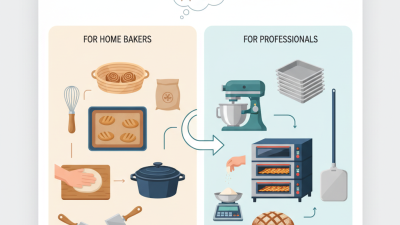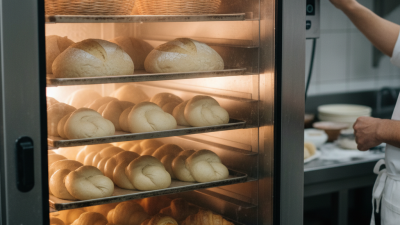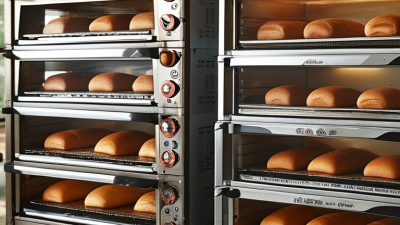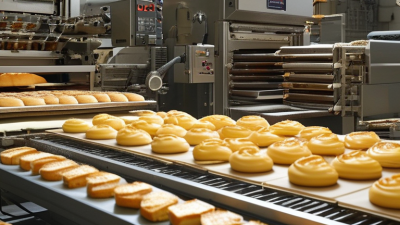
Choosing the right bakery machines can change how a bakery works each day. A mixer that handles dough evenly can reduce hand labor and improve consistency. A reliable oven can produce stable color, texture, and volume across multiple batches. These improvements matter when customers expect the same loaf every morning.
Practical bakery experience shows that equipment affects more than production speed. It influences staff safety, energy use, product quality, and cleaning routines. Modern bakery machines can support accurate weighing, controlled mixing, proofing, baking, and cooling. They also help small teams manage larger orders without exhausting valuable workers. Still, machines are not magic. Poor settings, weak training, or irregular maintenance can create expensive problems. The equipment must match the bakery’s products, floor space, budget, and expected output.
A thoughtful investment begins with evidence. Compare manufacturer specifications, service support, warranty terms, replacement parts, and user feedback. Food safety procedures and local requirements should guide installation and daily operation. Experienced suppliers can explain capacity, power needs, and realistic production limits. Yet their advice should be tested against your own workflow. A machine designed for industrial bread may not suit delicate pastries. That difference is easy to miss.
This guide examines why bakery machines may be valuable for a bakery business. It considers efficiency, consistency, labor demands, maintenance, and long-term costs. The goal is not to buy the biggest machine. It is to choose equipment that works reliably, grows with demand, and supports better baking decisions. Small details matter.
Bakery machines are purpose-built tools for mixing, dividing, sheeting, proofing, baking, and cooling. They support the full production flow, not just one recipe. A spiral mixer develops dough evenly while reducing manual strain. A divider portions dough with more consistent weight. A proofer controls warmth and humidity before baking. These details matter when customers expect similar loaves each morning. Machines also create predictable cycle times. That makes labor planning and batch scheduling easier.
Professional bakery operations still need skilled judgment. Operators check dough temperature, hydration, fermentation, and surface texture. A machine follows settings, but it cannot understand every flour change. Regular cleaning, calibration, and maintenance protect quality and workplace safety. Records of temperatures, cleaning tasks, and repairs improve traceability. One practical lesson is easy to miss: buying the largest machine is not always wise. An oversized mixer may waste energy and space during quiet hours. A smaller, well-matched system can be more dependable. No machine is perfect. Automation helps, but it does not replace attention.
Tips: Measure weekly production before choosing equipment. Test dough at different batch sizes. Leave safe clearance around hot surfaces and moving parts. Train every operator on shutdown procedures. Review maintenance logs monthly. Ask whether cleaning is genuinely manageable. If it is not, the machine may become a burden, not a solution.
Typical throughput capacity of essential bakery machines in a production workflow
Bakery machines improve consistency, reduce manual handling, and support higher production volumes. The capacity figures below are representative planning ranges for common commercial equipment; actual output depends on recipe, batch size, product type, and operating conditions.
Why Choose Bakery Machines for Your Bakery Business?
Specialized bakery equipment can automate weighing, mixing, kneading, dividing, and shaping. A dough divider produces consistent portions, even during busy morning production. Sheeters create uniform thickness for pastries, cookies, and flat dough products. This reduces hand strain and limits size differences between batches. It saves time.
Proofing cabinets can control temperature and humidity more reliably than an open room. Automated depositors can place measured batter onto trays with steady spacing. Convection ovens distribute heat evenly, while programmable controls help staff repeat tested baking conditions. Cooling and slicing equipment also support cleaner handling after baking. These steps improve workflow without removing every human decision.
In daily bakery operations, machines still need skilled supervision. Dough temperature, flour absorption, and seasonal humidity can change the result. I have seen a perfectly calibrated divider produce poor portions when the dough was too warm.
That matters.
Staff should inspect texture, adjust settings carefully, and record batch results. Excessive automation may also create bottlenecks if one machine stops. A practical setup matches equipment capacity with real order volumes, available floor space, cleaning routines, and worker training. Reliable maintenance is not optional, especially when mixers, cutters, or ovens operate for several hours each day.
Bakery machines can change a busy production day within hours. A dough mixer handles repeated batches with steady torque and controlled mixing time. This reduces manual effort and helps staff focus on shaping, baking, and customer service. In my experience, production speed improves most when machines match the bakery’s daily volume. An oversized machine may waste energy and space.
Consistency is another practical advantage. A divider can portion dough more evenly, while a proofing cabinet maintains stable temperature and humidity. These controls support similar weight, texture, and appearance across each batch. Customers notice small differences, especially in sandwich bread and pastries. Machines also improve product quality by reducing excessive handling. A cleaner process can protect dough structure and limit avoidable contamination risks.
Still, machines are not a perfect solution. Poor settings can create dry dough, uneven proofing, or damaged pastry layers. Staff need training, cleaning routines, and regular checks. I have seen production slow down because a simple blade adjustment was ignored. That mistake was preventable. Operators should record mixing times, dough temperatures, and batch results. These records provide useful evidence when quality changes. A machine supports professional work, but it cannot replace careful judgment. Good results depend on equipment, maintenance, ingredients, and people working together.
Bakery machines can reduce repetitive labor, but their value depends on realistic costs. Purchase price is only the beginning. Installation, electrical upgrades, delivery, training, and spare parts can change the budget quickly. A mixer may seem affordable until a suitable power circuit is required. Ask suppliers for service fees, warranty limits, and expected replacement intervals. Keep a reserve for unexpected repairs. Small businesses often underestimate this.
Space planning needs more than measuring the machine’s footprint. Leave clearance for loading, cleaning, ventilation, and safe movement around hot surfaces. A proofing cabinet may need room beside the oven, not across a crowded work area. Check doorway widths, floor strength, ceiling height, and drainage before ordering. Draw the workflow with flour, dough, trays, and finished products. A compact machine can still create a bottleneck. I have seen efficient equipment become frustrating when staff must cross the room repeatedly.
Maintenance should be treated as a daily operating cost. Operators need simple cleaning schedules, lubrication guidance, temperature checks, and documented inspections. Food-contact parts require careful sanitation, while electrical components need qualified technicians. Ask whether local service support is available and how long common parts take to arrive. Record downtime, repair costs, and product waste each month. The numbers may challenge your original decision. That is useful. A machine that saves labor but causes frequent stoppages may not improve the bakery.
Choosing bakery machines should begin with your daily production, not a glossy specification sheet. Estimate how many loaves, pastries, or cakes you make during your busiest hour. Then consider product size, dough hydration, staff skills, and available floor space. A small mixer may suit a neighborhood shop, while a larger operation needs stronger capacity and consistent temperature control. Start small.
Your menu should guide the equipment list. A spiral mixer handles bread dough efficiently, while a planetary mixer offers flexibility for creams, batters, and lighter mixtures. If you sell delicate pastries, controlled sheeting and accurate portioning can reduce waste. Check cleaning access, noise levels, power requirements, and replacement-part availability before purchasing. These details often matter more than maximum speed.
Budget for more than the purchase price. Include installation, ventilation, training, servicing, and energy use. I once underestimated cleaning time when comparing two machines, and the cheaper option became less practical during busy shifts. That mistake still influences my recommendations. Ask suppliers for operating instructions, safety documents, warranty terms, and realistic output figures. Test a machine with your own dough when possible. A suitable machine should improve consistency without forcing your team into uncomfortable shortcuts. Leave room for future growth, but avoid buying capacity that will remain idle. Reliability is measured during ordinary mornings, not only during demonstrations.
| Bakery Machine | Best Suited For | Typical Batch or Throughput | Typical Power Requirement | Recommended Business Stage | Main Benefits | Key Selection Criteria | Automation Level |
|---|---|---|---|---|---|---|---|
| Spiral Mixer | Bread, pizza dough, rolls, and other yeast-based doughs | Approximately 10–200 kg of dough per batch, depending on bowl size | About 1.1–15 kW | Small bakeries to industrial production facilities | Develops gluten efficiently, handles stiff dough, and produces consistent mixing results | Maximum dough capacity, bowl volume, mixing speed, timer function, and overload protection | Medium to high |
| Planetary Mixer | Cakes, cream, pastry fillings, cookies, and small dough batches | Approximately 5–60 litres per batch | About 0.5–5 kW | Home-based businesses, cafés, pastry shops, and small bakeries | Versatile mixing action with interchangeable whisk, beater, and dough hook attachments | Bowl capacity, attachment range, speed settings, bowl-lift design, and ease of cleaning | Medium |
| Dough Sheeter | Puff pastry, croissants, Danish pastry, pie dough, and laminated products | Approximately 20–200 kg per hour, depending on dough type and operator workflow | About 0.75–4 kW | Growing pastry shops and medium-sized bakeries | Creates uniform dough thickness, reduces manual rolling, and improves product consistency | Maximum sheet width, thickness adjustment range, conveyor length, safety guards, and reversibility | Medium to high |
| Dough Divider | High-volume production of bread rolls, buns, and uniform dough pieces | Approximately 1,000–6,000 pieces per hour | About 1–5 kW | Medium-sized and large bakeries | Produces evenly weighted dough portions and reduces repetitive manual work | Piece-weight range, portion accuracy, dough temperature tolerance, and cleaning access | High |
| Dough Rounder | Rolls, buns, pizza bases, and other rounded dough products | Approximately 1,000–4,000 pieces per hour | About 0.75–3 kW | Medium-sized bakeries with regular bread production | Improves dough-ball shape, surface tension, and process speed after dividing | Compatible piece-weight range, rounding method, flour-dusting system, and footprint | High |
| Proofing Cabinet | Yeast breads, rolls, buns, and laminated dough products | Typically 8–64 trays, depending on cabinet size | About 2–12 kW | Small retail bakeries to large production kitchens | Controls temperature and humidity to support more predictable fermentation | Tray capacity, temperature range, humidity control, insulation, drainage, and door sealing | Medium to high |
| Deck Oven | Artisan bread, pizza, pastries, and products requiring strong bottom heat | Usually 2–12 decks, with 1–6 trays per deck depending on model | Electric models commonly require about 6–30 kW | Artisan bakeries, pizzerias, cafés, and specialty pastry shops | Independent control of deck temperature and strong heat retention for crust development | Number of decks, chamber dimensions, steam injection, temperature recovery, and energy source | Medium |
| Convection Oven | Cakes, cookies, pastries, bread rolls, and general-purpose baking | Typically 4–20 trays per baking cycle | About 6–30 kW for electric models | Start-ups, cafés, restaurants, and diversified bakeries | Even hot-air circulation, flexible product use, and relatively simple operation | Tray size, fan control, temperature range, steam option, recovery time, and ventilation needs | Medium |
| Rotary Rack Oven | High-volume bread, rolls, pastries, and large batch production | Typically one rack holding approximately 16–32 trays per cycle | About 20–100 kW for electric models; gas versions require suitable gas and ventilation systems | Medium-sized and industrial bakeries | High production capacity, consistent baking, and efficient use of rack space | Rack dimensions, energy source, steam system, loading method, floor clearance, and service access | High |
| Cooling Rack or Spiral Cooler | Packaged bread, buns, pastries, and continuous production lines | From several hundred to several thousand pieces per hour | About 1–20 kW, excluding optional refrigeration equipment | Medium-sized and industrial bakeries | Reduces product damage, supports hygienic cooling, and connects baking with packaging operations | Cooling time, available floor height, airflow control, product spacing, and line compatibility | High |
| Bread Slicer | Sandwich loaves, toast bread, and packaged sliced bread | Approximately 400–2,000 loaves per hour | About 0.5–3 kW | Retail bakeries and packaged-bread producers | Creates uniform slices and improves packaging speed and presentation | Loaf dimensions, slice thickness, blade type, crumb control, safety features, and cleaning time | Medium to high |
| Packaging and Sealing Machine | Packaged bread, cookies, pastries, and ready-for-sale products | Approximately 20–120 packages per minute, depending on package format | About 1–10 kW | Growing bakeries and high-volume packaged-product operations | Improves hygiene, extends shelf life when correctly specified, and reduces manual packaging work | Package dimensions, film type, sealing temperature, gas-flushing needs, coding system, and changeover time | High |
Note: Capacity, power, and throughput figures are typical industry ranges. Actual performance depends on machine configuration, product formulation, operating conditions, and local electrical or gas requirements.