2026 How to Improve Bakery Automation for Increased Efficiency?
In the pursuit of enhanced efficiency, bakery automation has emerged as a pivotal factor in the modern baking industry. Today, bakeries face challenges such as rising labor costs and increased consumer demand. Embracing automation can alleviate these pressures while maintaining quality. Automation streamlines production processes, reduces waste, and ensures consistency in product output.
However, the journey towards fully automated bakeries is not without its obstacles. Many establishments struggle with the high initial costs of automation technology. Balancing investment with potential returns can be daunting. Additionally, the integration of new systems often requires retraining staff, which can disrupt operations. Addressing these issues is crucial for successful implementation.
Taking a thoughtful approach can unlock the potential of bakery automation. Exploring innovative solutions and collaborating with experts can pave the way for sustainable growth. As bakeries evolve, the adaptation of automation will determine their future success and efficiency.
Understanding the Importance of Bakery Automation in Modern Production
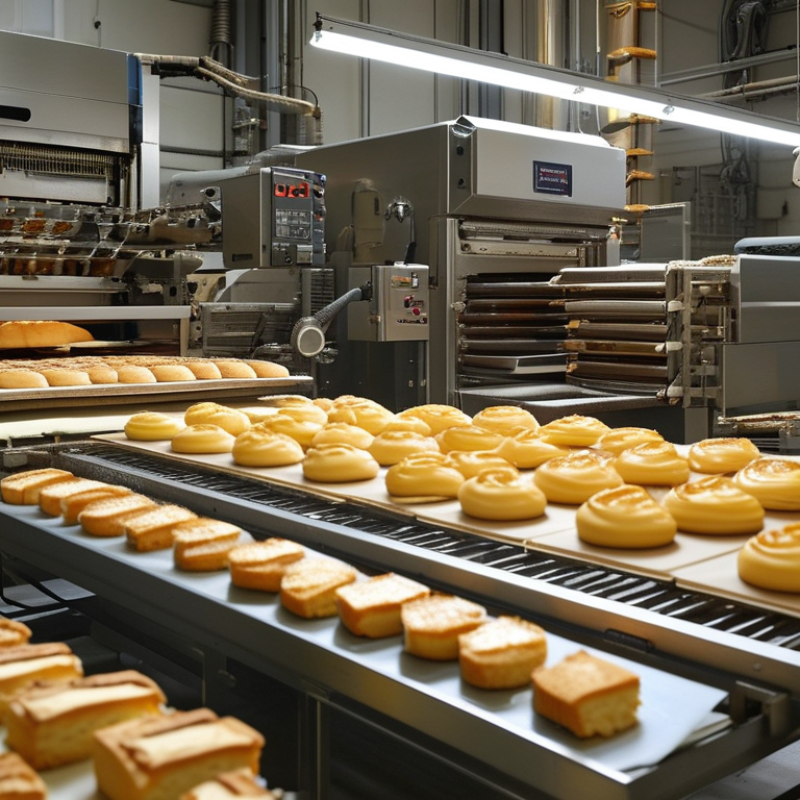
In today's fast-paced world, bakery automation plays a crucial role in production. Implementing automation can streamline processes, reduce labor costs, and improve product consistency. Automated systems can handle repetitive tasks such as mixing, baking, and packaging. This reduces human error and increases output efficiency.
However, relying solely on automation comes with challenges. Not all bakers are trained to manage automated equipment. This gap in knowledge can lead to operational issues. Investing in ongoing staff training is essential. Employees must understand both the technology and traditional baking techniques.
Another area to reflect on is the initial investment in automation. The cost can be daunting for smaller bakeries. Some may feel overwhelmed by the technology. Careful planning and budgeting are necessary. Balancing automation with the craft of baking can yield the best results. By addressing these difficulties, bakeries can enhance efficiency while remaining true to their roots.
Current Trends in Bakery Automation Technologies and Innovations
The bakery industry is experiencing remarkable changes, driven by automation technologies. Innovations in this space focus on optimizing production processes, reducing labor costs, and enhancing product consistency. Modern bakeries are integrating advanced machinery, such as robotic arms and automated mixers. These systems not only streamline tasks but also improve the overall quality of baked goods.
One notable trend is the use of AI in monitoring baking parameters. Sensors track temperature, humidity, and dough consistency, ensuring optimal baking conditions. This technology helps minimize human error, yet it raises concerns about over-reliance on machines. Balancing automation with skilled craftsmanship remains a challenge. There is a risk that relying solely on technology may diminish artisanal techniques.
Another important aspect is the shift towards flexible automation solutions. Many bakeries are investing in systems that allow for quick adjustments in production lines. This adaptability is crucial for meeting changing consumer demands. Nevertheless, the initial setup costs can be prohibitive. Smaller bakeries may find it difficult to justify such investments. Continuous evaluation and adaptation of these technologies will shape the future of the bakery industry. Finding the right balance will be essential for sustained growth and efficiency.
Key Components of an Efficient Bakery Automation System
In the quest for improved bakery automation, understanding key components is essential. An effective system integrates machinery with software that tracks production processes. Sensors can monitor temperature and humidity, ensuring optimal conditions. Robots can handle repetitive tasks, reducing human error. These elements collectively enhance efficiency and product consistency.
One crucial tip is to assess the layout of your bakery. A well-planned workspace minimizes movement and streamlines workflow. Analyze each step in your production line. Are your machines placed for maximum accessibility? Small adjustments can have significant impacts.
Another aspect is staff training. Even with advanced automation, personnel must understand the system. Regular training sessions can help employees troubleshoot common issues. It’s vital to keep the team engaged. Encourage feedback on automation performance. This creates a culture of continuous improvement.
Automation should not replace human intuition. While machines offer precision, they lack the creativity that skilled bakers bring. Striking a balance is key. Recognize the areas where human input adds value. This reflection can foster a harmonious working environment.
Strategies for Integrating Automation in Existing Bakery Operations
Integrating automation into existing bakery operations can significantly enhance efficiency.
Start by assessing your current workflow. Identify repetitive tasks that consume time and resources.
Automation can streamline mixing, baking, and packaging processes.
However, be cautious. Not all processes benefit equally from automation.
Some artisanal techniques may lose their charm if overly mechanized.
Tips: Experiment with automated portioning systems. These can speed up production while maintaining product consistency.
Consider training staff on new technologies. Familiarity can ease the transition and reduce resistance.
In some cases, a hybrid approach works best. This combines human skill with automation for optimal results.
Another important aspect is data collection. Monitoring production performance helps pinpoint areas needing improvement.
Analyzing this data provides insights into bottlenecks, allowing for focused enhancements.
Yet, remember, automation requires maintenance. It’s vital to schedule regular check-ups to ensure efficiency is sustained.
Tips: Create a feedback loop with your team. Their input on automation can reveal unexpected hurdles.
Encourage an open dialogue about what works and what doesn’t.
Automation is not a one-size-fits-all solution; it needs tailoring to fit your unique bakery environment.
Measuring the Impact of Automation on Bakery Productivity and Profitability
The integration of automation in bakeries significantly impacts productivity and profitability. Many bakers witness improvements by streamlining processes like mixing, shaping, and baking. However, the initial investment in automation can pose a challenge. Some bakeries struggle to balance costs while seeking enhanced efficiency.
Productivity metrics play a vital role in evaluating the effectiveness of automated systems. Using real-time data helps identify bottlenecks. For instance, a bakery that automates its mixing process might see a reduction in labor costs. However, it may also require staff to learn new technologies. The adjustment period can disrupt workflows and testing may require patience.
Profitability ties directly to operational efficiency. Automating repetitive tasks not only minimizes human error but can increase output. Yet, technology failures pose risks. Systems need regular maintenance and training for staff is essential. Balancing high-tech solutions with human oversight presents a learning curve. Overall, identifying and measuring these impacts is crucial for sustainable growth in the bakery industry.
Impact of Bakery Automation on Productivity and Profitability (2026)
This chart illustrates the impact of bakery automation on productivity and profitability. The data shows a significant increase in both units produced per hour and percentage profitability after implementing automation technologies.