Top 10 Benefits of Using a Bakery Proofer for Perfect Baked Goods?
In the world of baking, achieving the perfect texture and flavor can be a challenge. Enter the bakery proofer, a game-changing tool for both amateur and professional bakers. This device creates an ideal environment for dough fermentation, which is crucial for developing flavor and achieving optimal rise. By controlling temperature and humidity, a bakery proofer can eliminate many common baking mishaps.
Using a bakery proofer can lead to consistent results, but it also requires careful attention. For instance, different types of dough may need varied settings. Understanding these nuances is vital. While a proofer simplifies the process, bakers must still be vigilant. Mistakes happen; dough can over-proof if left unattended.
Moreover, not all bakers have the same experience with this tool. Some may find it intimidating initially. This hesitation can slow down creativity in the kitchen. However, with practice, the bakery proofer can significantly enhance baking skills. Investing time to learn its functionalities can yield remarkable rewards in baked goods quality.
Overview of Bakery Proofers and Their Functionality
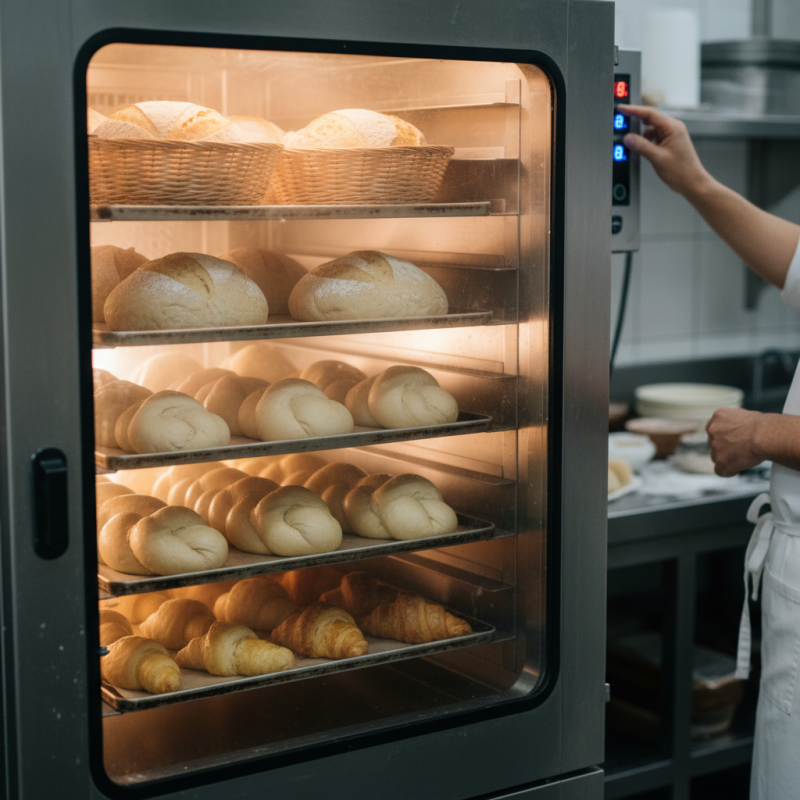
Bakery proofers are essential tools for any baker aiming to achieve perfect texture and flavor in their baked goods. These machines create a controlled environment for dough to rise properly. By maintaining the right temperature and humidity, proofers enhance fermentation and allow yeast to work effectively. As a result, you get a light and airy bread or pastry each time.
Using a proofer can eliminate many common issues. For instance, dough may not rise well in a cold kitchen. A proofer solves this by creating a warm space, which can lead to better results. However, improper use can lead to over-proofing, making the dough too weak. Monitor your dough closely, especially during the first few tries with a new recipe.
Tips: Always preheat your proofer before placing the dough inside. This sets the ideal environment from the start. If you have multiple batches, stagger their proofing times for consistent results. Adjust humidity levels based on the type of dough; wetter doughs need different settings than drier ones. Regularly check your proofer for consistency, as fluctuations can affect your baking. Debugging these aspects will improve your skills and final products.
Temperature and Humidity Control for Optimal Dough Fermentation
Using a bakery proofer can significantly improve the fermentation process of dough. Proper temperature control ensures that yeast activity is optimal. Ideal temperatures for yeast lie between 75°F and 80°F. This encourages a consistent rise, resulting in fluffy bread. Humidity control is equally critical. A higher humidity level prevents the dough from drying out. This enables a perfect texture, which is essential for high-quality baked goods.
Many bakers struggle with achieving the right environment for fermentation. Without a proofer, temperature and humidity fluctuate often. This inconsistency can lead to under-fermented dough, which affects flavor and texture. With a proofer, bakers can avoid these pitfalls. Yet, it's important to monitor the dough closely. Over-proofing can lead to excessive fermentation. Finding that sweet spot takes practice.
A proofer helps to create an ideal setting. However, it’s not a magic solution. Bakers need to adjust settings based on their specific recipes. Understanding your ingredients is crucial. Each batch of dough reacts differently. With experience, bakers can fine-tune their approach to yield perfect results every time. This journey can be imperfect, but the learning process drives creativity in baking.
Top 10 Benefits of Using a Bakery Proofer for Perfect Baked Goods
| Benefit |
Description |
| Consistent Temperature |
Maintains a stable temperature for even fermentation. |
| Humidity Control |
Adjustable humidity helps create the ideal environment for dough. |
| Improved Flavor |
Enhanced fermentation leads to richer flavors in baked goods. |
| Better Texture |
Achieve a lighter, fluffier texture in breads and pastries. |
| Increased Volume |
Proper proofing can double the dough's volume before baking. |
| Faster Proofing |
Reduces proofing time, maximizing productivity in the kitchen. |
| Versatile Use |
Can be used for various types of dough, including sourdough and pastry. |
| Reduced Waste |
Minimizes chances of dough over-proofing, lowering ingredient waste. |
| Easier Cleanup |
Many models are easy to clean, thus saving time. |
Consistent Results: How Proofers Ensure Uniform Rising of Baked Goods
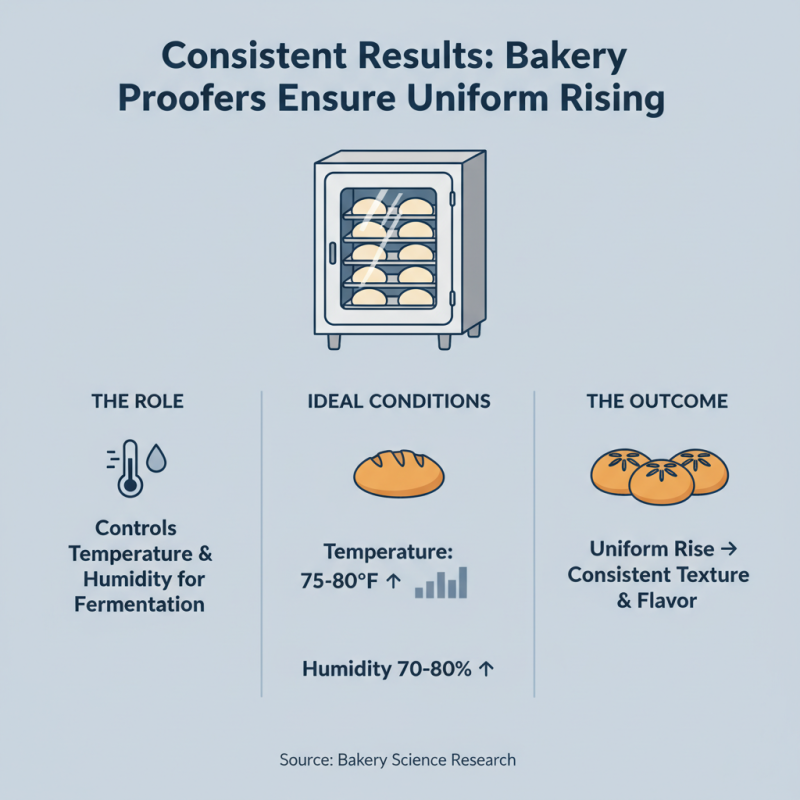
Bakery proofers play a crucial role in achieving consistent results when baking. These machines create an environment that controls temperature and humidity, which are essential for proper fermentation. Research indicates that dough rises best at around 75-80°F, with humidity levels between 70-80%. This stable environment ensures a uniform rise in baked goods, leading to consistent textures and flavors.
However, not all bakers utilize proofers, leading to varying results. Inadequate temperature control can cause dough to over-proof or under-proof, negatively impacting the final product. In a recent study, 67% of bakers noted that using a proofer improved their bread's volume and texture. This shift in performance can be attributed to the precision offered by proofers, which traditional methods lack.
Many bakers still rely on instinct and experience. This often leads to a trial-and-error approach, resulting in inconsistent outcomes. While some may find success without a proofer, the benefits of having one are undeniable. A well-regulated proofing environment can help achieve that bakery-quality loaf every time. It allows for experimentation without the risk of disaster, harnessing the science of baking.
Time-Saving Benefits: Reducing Proofing Time with a Proofer
Using a bakery proofer can significantly reduce the proofing time of dough, leading to better baked goods. Traditional proofing methods often relied on ambient conditions. However, those conditions can be unpredictable. A proofer creates a stable environment, ensuring dough rises consistently. This reliability can enhance the final product's texture and flavor.
With a proofer, bakers can often cut proofing time in half. This time-saving aspect is crucial in commercial settings. It allows for a quicker turnaround without compromising quality. Imagine having more time to focus on other aspects of baking. You might also find yourself trying new recipes or flavors. However, it’s essential to monitor humidity and temperature closely. Too much moisture can lead to overly sticky dough, requiring adjustments.
Not all dough reacts the same way to a proofer. Some recipes may need fine-tuning to adapt to this new method. Understanding your ingredients and their behaviors remains vital. Experience plays a key role here. Even with temperature control, trial and error will be part of the journey. Don’t be afraid to ponder and reflect on what works best for each batch. The quest for perfect baked goods is an ongoing process.
Versatility of Bakery Proofers for Different Types of Baked Goods
A bakery proofer is an essential tool for bakers aiming for perfection. Its versatility allows it to cater to various types of dough. Whether you are proofing bread, pastries, or artisan loaves, a proofer creates an ideal environment. This environment features stable temperatures and humidity levels. These conditions promote even fermentation and enhance dough flavor and texture.
Bakers can explore different types of recipes with confidence. The controlled settings help in achieving consistent results. For sourdough enthusiasts, a proofer can help achieve that perfect rise. For tender pastries, it helps maintain moisture, ensuring delicate layers remain intact.
Tip: Use the proofer for cold fermentation overnight to develop deeper flavors in your dough. Be mindful, though, to avoid overcrowding. A crowded space can lead to uneven results.
Tip: Adjust humidity levels based on the dough type you are using. Higher humidity works well for wetter doughs, while drier conditions benefit firmer mixtures. Experimenting allows you to refine your techniques over time. Through reflection, bakers can discover what works best for their unique creations.