How to Choose Bakery Automation Equipment in 2026?
Choosing bakery automation equipment in 2026 will require more than comparing machine prices. Bakeries must evaluate labor availability, product variety, hygiene controls, energy use, and maintenance support. A machine may look efficient on paper. It can still fail when dough changes hourly.
The International Federation of Robotics reported 4.28 million industrial robots operating worldwide in 2023. It also recorded a 10% annual increase in installations. Food production is contributing to this shift, especially where repetitive handling affects consistency. PMMI industry research likewise identifies labor shortages, flexible production, and equipment connectivity as major packaging priorities. These findings matter for bakeries producing bread, pastries, cookies, and frozen goods.
Start with the production problem.
Ask where delays occur. Is the bottleneck mixing, dividing, proofing, baking, cooling, or packing? A compact bakery may gain more from an accurate dough divider than a fully automated line. A high-volume plant may need robotic tray loading, vision inspection, and automated cleaning systems.
The right choice should fit tomorrow’s products, not only today’s orders. Check changeover time, floor space, operator training, spare-parts access, and total cost of ownership. Energy data deserves attention, too. The International Energy Agency continues to emphasize efficiency as a key industrial priority, making oven performance increasingly important.
No system is perfect. I may overlook a regional supplier or underestimate integration costs. Therefore, buyers should test equipment with real dough, real trays, and realistic production speeds. This guide explains how to compare bakery automation options carefully, using measurable requirements instead of impressive demonstrations.
What Bakery Automation Equipment Includes in 2026
How to Choose Bakery Automation Equipment in 2026?
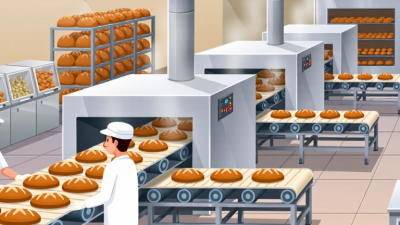
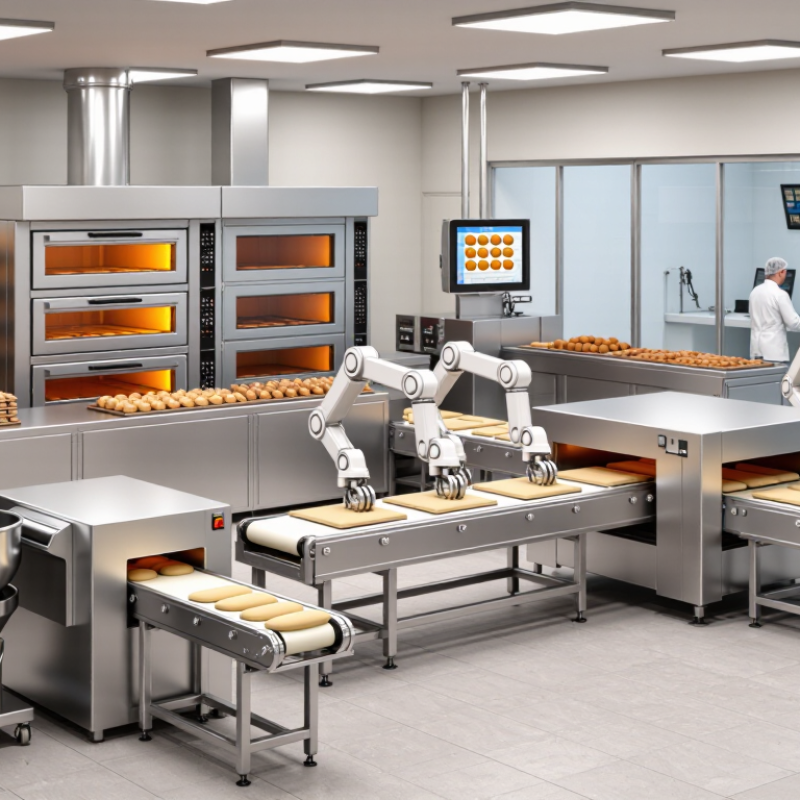
In 2026, bakery automation equipment covers much more than mixers and ovens. A practical setup may include automatic ingredient dosing, spiral mixers, dough dividers, rounders, moulders, and proofing chambers. Each machine controls a specific stage. Together, they improve portion accuracy and production consistency. A mixer should handle the dough’s hydration and batch size without overheating it. Dividers should produce equal pieces, even when dough temperature changes. Proofers regulate heat and humidity, while modern ovens manage airflow, steam, and baking profiles.
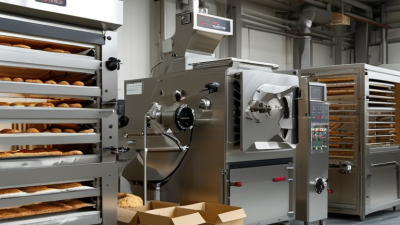
The equipment also includes cooling conveyors, slicers, filling systems, decorators, and packaging machines. Vision sensors can check shape, color, and missing toppings. Metal detection and weight checks support routine quality control. Digital control panels record temperatures, batch times, and stoppages. Useful data. Not every bakery needs a fully connected factory. Small operations may gain more from one reliable divider than from complex software. I have seen automation reduce repetitive work, yet poor cleaning access can create new problems.
When choosing equipment, inspect the details operators touch daily. Can workers remove guards quickly? Are belts easy to wash? Does the machine allow recipe adjustments without confusing menus? Energy use matters too, especially during long baking cycles. No system is perfect. A sensor may misread flour dust, and a conveyor may need frequent alignment. Trial runs with real dough are essential. Test sticky dough, dry dough, peak production, and manual changeovers before approving the final layout.
How to Assess Production Needs and Facility Conditions
When choosing bakery automation equipment in 2026, begin with real production data, not sales forecasts. Record hourly output, peak demand, product sizes, dough hydration, and daily changeovers. A bakery producing 800 loaves daily may need different equipment from one making 300 loaves and 40 pastry varieties. Measure reality.
Review labor availability and the skills required for loading, cleaning, adjustment, and quality checks. My first capacity estimate was too optimistic because I ignored changeover time. Leave practical space for maintenance and future growth. Equipment should match your busiest normal shift, not an exceptional holiday order. Test sample products when possible. Check weight accuracy, baking consistency, temperature recovery, and cleaning time.
Facility conditions can limit even excellent equipment. Measure door widths, floor loading capacity, ceiling height, drainage points, ventilation, and available electrical power. Confirm whether compressed air, water pressure, or gas capacity meets the equipment specifications. Keep hot surfaces away from cold storage and provide a clear path from mixing to packing. Moisture and flour dust need controlled ventilation. Ask a qualified technician to inspect utilities before purchase. Local food safety, electrical, fire, and workplace rules also require verification. Some plans look efficient on paper but create unsafe crossing paths. Revise them before installation.
Which Automation Technologies Fit Each Baking Stage
Choosing bakery automation in 2026 starts with the baking stage, not the equipment catalogue. In ingredient receiving, digital scales, barcode tracking, and silo sensors improve dosing accuracy. A small bakery may need only connected scales and batch records. Larger plants benefit from automated conveying and temperature monitoring. These tools reduce lifting, spills, and recording errors. They also expose weak procedures. That can be uncomfortable.
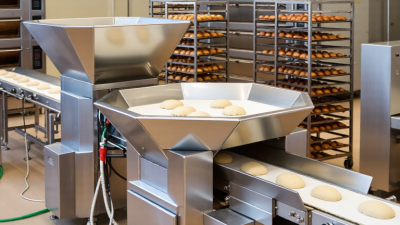
Mixing requires programmable mixers with torque and temperature feedback. They help maintain dough consistency across shifts. Dividing and moulding need servo-controlled depositors, cutters, or rounders matched to dough hydration. Sticky dough can defeat a fast machine. Trial runs with real recipes matter more than impressive speed claims. During proofing, humidity and temperature controls protect fermentation quality. Sensors should log changes throughout the chamber. Operators still need to judge dough feel. Machines cannot replace every skilled decision.
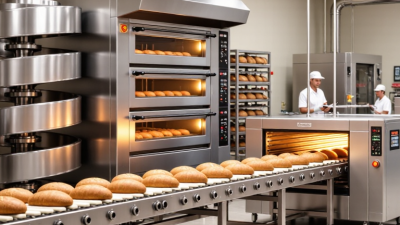
Baking benefits from zoned oven controls, airflow management, and heat recovery. These features support even color and predictable moisture. Cooling conveyors and vision inspection prevent warm products from entering packaging. At packing, automated weighers, seal checks, and traceability systems reduce waste. Select equipment that can be cleaned quickly and serviced locally. I have seen efficient lines fail because changeovers were ignored. Plan for sanitation, staff training, spare parts, and future recipes. The best system is not always the fastest. It is the one your team can operate reliably on a busy morning.
How to Choose Bakery Automation Equipment in 2026?
Which automation technologies fit each baking stage?
Mixing & Dough Development
Use programmable mixers, recipe controls, and ingredient dosing when consistency and batch traceability are priorities.
Dividing, Forming & Proofing
Servo dividers, moulders, conveyors, and humidity-controlled proofers are suitable for high-volume, repetitive production.
Baking, Cooling & Packaging
Continuous ovens, cooling conveyors, vision inspection, and automated packaging help stabilize throughput and reduce handling.
Typical industrial bread-line time ranges shown in minutes. Actual values vary with dough formulation, product size, equipment capacity, and operating conditions.
How to Check Safety, Maintenance, Integration, and Supplier Support
How to Choose Bakery Automation Equipment in 2026?
Safety should be checked on the production floor, not only in brochures. Examine guards, emergency stops, heat protection, flour-dust control, and safe cleaning access. Ask operators to demonstrate normal stops and fault recovery. A 2024 global smart-manufacturing report surveyed 1,560 manufacturers, and 95% had invested or planned to invest in smart technologies. That figure encourages connectivity, but connectivity must not weaken basic protection. I would not trust a system that requires bypassing a guard during routine work.
Maintenance decisions need physical evidence. Request service intervals, lubrication points, diagnostic screens, and the average response time for spare parts. Check whether technicians can replace sensors without dismantling half the line. A 2024 industry workforce report identified labor shortages as a continuing equipment challenge. Therefore, clear manuals and remote support matter. Integration also deserves a live test. Confirm data exchange with ovens, proofers, packaging machines, and quality systems. Use open communication protocols where possible. A perfect digital plan can still fail.
Tips: Bring a maintenance technician to the factory acceptance test. Run dough with realistic moisture and temperature. Record cleaning time, alarm clarity, changeover steps, and rejected products. Ask suppliers for two customer references with similar output. Also ask what failed during commissioning. Honest answers are more useful than polished promises. Keep spare sensors and critical belts on site. Train operators before installation day. Then review the first month’s downtime, because early assumptions are often wrong.