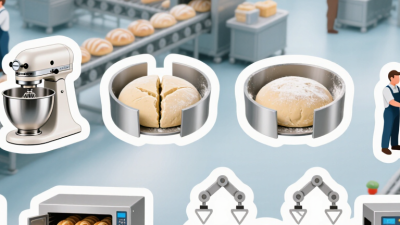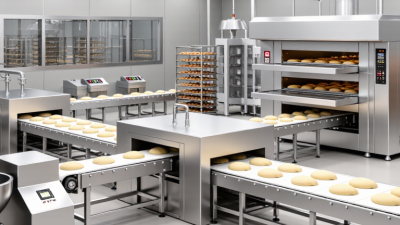
Choosing bakery machines in 2026 means matching equipment to the products you actually make, not simply buying the largest model. A compact mixer may suit a neighborhood bakery, while a high-volume line may need dough dividers, rounders, and automated handling. The right choice depends on batch size, daily output, available floor space, and the skill of your team.
Small details matter. A mixer’s bowl capacity, an oven’s tray spacing, and a proofer’s humidity controls can affect daily workflow. Buyers should also check cleaning access, power requirements, spare-part availability, and the service support offered by the supplier. Ask for a product demonstration when possible. Watch a full cycle, not just the sales presentation. A machine can look efficient and still create bottlenecks beside a crowded worktable.
This guide explores the main types of bakery machines, including mixers, ovens, proofers, dough sheeters, dividers, and packaging equipment. It explains what each machine does and which questions help narrow a shortlist. There is no single best setup. A machine that saves labor in one bakery may be oversized or difficult to maintain in another. Even a careful comparison can miss something; that is why realistic production trials and clear warranty terms deserve attention before purchase.
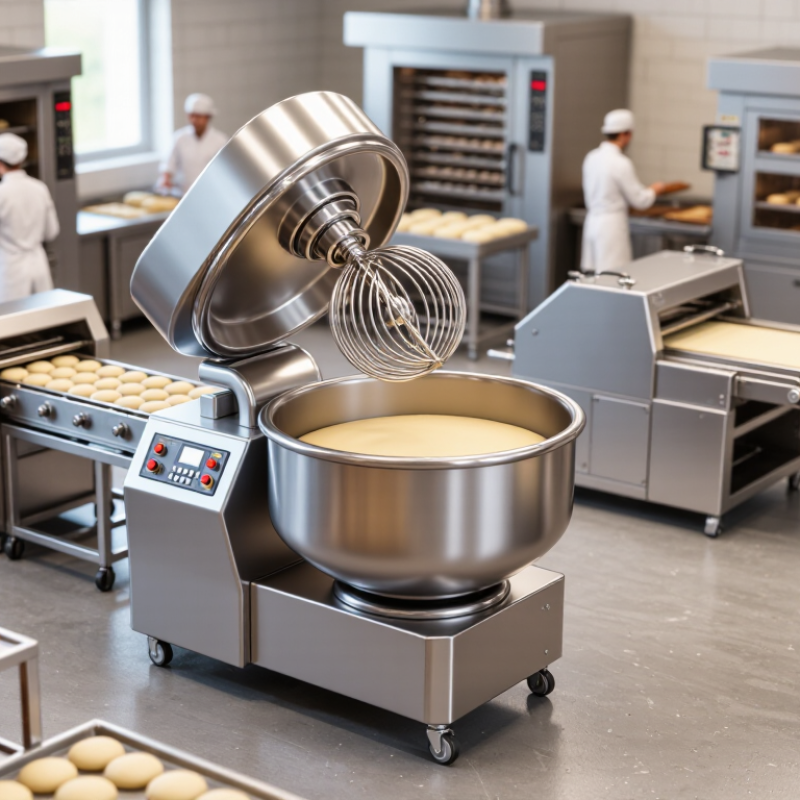
Bakery machines are best classified by the job they perform, not by appearance.
Mixing and kneading machines develop dough structure; dividers and moulders portion it into repeatable shapes. Proofers control warmth and humidity, while ovens set the crumb and crust. Cooling conveyors and slicers prepare products for packing.
Small batches matter. A machine sized for peak demand may waste energy and floor space during quieter shifts.
The International Energy Agency’s Energy Efficiency 2023 report estimates that industry uses about 37% of global final energy. That figure covers all industries, not bakeries, but it makes oven efficiency, insulation, and heat recovery worth checking.
Match each machine to dough type, output per hour, cleaning needs, and available space. For example, a compact bakery producing soft rolls may prioritize a divider, proofer, and convection oven; a high-volume line may need continuous forming and tunnel baking.
Check adjustment ranges and spare-part access before purchase. Catalog ratings rarely reflect every recipe or operator. A short production trial can reveal uneven proofing, sticky dough, or awkward cleaning—details that specifications often miss.
Mixing and dough-preparation machines influence dough temperature, texture, and production consistency. A spiral mixer suits bread dough, while a planetary mixer handles lighter batters and smaller batches. For pastry, a low-speed setting can reduce unwanted gluten development. Watch the dough, not just the timer: flour moisture, room temperature, and batch size all change mixing time. Small details matter. A bigger bowl is not automatically better; an undersized batch may fail to reach the mixing tool.
Buying interest is growing, but market figures need context. Grand View Research valued the global bakery products market at USD 480.8 billion in 2023 and projected 5.4% annual growth from 2024 to 2030. Allied Market Research estimated the bakery processing equipment market at USD 11.6 billion in 2021, forecasting USD 19.5 billion by 2031. These are broad market estimates, not proof that every bakery needs automation. Compare usable batch range, speed controls, bowl access, cleaning time, and service requirements. Ask for a dough trial using your own flour and recipe. Record dough temperature after mixing; a machine that runs quickly can still overheat a small batch. Manual checks remain useful, and imperfect measurement is better than none.
2026 Top Types of Bakery Machines for Buyers?
Dough dividers, sheeters, and forming machines handle distinct stages of bakery production. A divider portions dough into consistent weights, helping control product size and reduce manual scaling. Check its capacity against your smallest and largest batches. Dough firmness and temperature can affect portioning, so a machine may still need careful adjustment. Close enough is not always consistent enough.
A sheeter reduces dough to an even thickness for pastries, crackers, and laminated products. Look for adjustable rollers and a feed width that suits your work surface. Uneven pressure can leave thin edges or tear delicate dough. Forming machines shape portions into items such as rolls or buns. Match the forming method to the dough and finished shape; a machine suited to soft rolls may not handle stiff dough well. This part is easy to underestimate.
Tips: Before buying, test your actual dough if possible. Ask how quickly operators can change settings and clean contact surfaces. Compare hourly output with your real workflow, not just the advertised maximum. Allow space for trays and safe access around moving parts. Small details matter.
Core production-stage coverage by machine type
Each bar indicates whether a machine type typically performs that production stage. Dough dividers portion dough, sheeters roll it into sheets, and forming machines shape it. Mixing, proofing, and baking are generally handled by their respective equipment.
For bakery buyers in 2026, ovens, proofers, and cooling equipment shape consistency as much as recipes do. A deck oven can deliver strong bottom heat for crusty loaves, while a convection oven suits trays of cookies and pastries. Match usable chamber size to peak production, not an optimistic forecast. Check temperature recovery after loading; a display reading alone can hide uneven heat.
Proofers control warmth and humidity while dough ferments. Look for steady settings, easy-to-clean racks, and enough clearance for your pans. Too much humidity can leave dough surfaces sticky; too little may form a dry skin. That detail matters. Test the unit with your own dough, since flour, batch size, and room conditions change results. A simple log of time, temperature, and dough feel helps staff repeat good batches.
Cooling equipment is easy to underestimate. Wire racks may work for a small shop, but a spiral cooler or ventilated cooling room can prevent bottlenecks at higher volumes. Leave space around hot trays so steam escapes instead of softening crusts. Confirm airflow does not dry exposed products. Cleaning access counts, too. One overlooked constraint is floor space: a machine that fits on paper may block a busy route. Measure doors, utilities, and service access before ordering. That catches awkward surprises.
| Machine Type | Main Function | Best Suited Products | Typical Operating Considerations | Key Buyer Checks |
|---|---|---|---|---|
| Convection Oven | Uses fans to circulate heated air for relatively even baking across multiple trays. | Cookies, pastries, muffins, and other products that benefit from consistent airflow. | Fan speed and heat distribution can affect delicate items. Tray capacity and recovery time depend on the oven configuration. | Check tray dimensions, usable rack capacity, temperature controls, ventilation needs, and available electrical or gas supply. |
| Deck Oven | Bakes products on heated decks; some models offer steam injection for crust development. | Artisan bread, pizza, rolls, and products that benefit from strong heat transfer from the baking surface. | Each deck may have separate controls. Stone or other deck materials, steam options, and heat-up time vary by model. | Compare the number and size of decks, loading access, steam requirements, floor loading, and installation clearances. |
| Rack Oven | Bakes a loaded rotating rack, commonly using forced-air heat to improve batch consistency. | Bread, rolls, pastries, and other products produced in larger rack-sized batches. | Rack dimensions and oven capacity are model-specific. Correct rack alignment and adequate airflow help support even baking. | Confirm rack compatibility, batch capacity, loading space, turning mechanism, controls, and utility connections. |
| Proofing Cabinet or Proofer | Provides controlled warmth and humidity to support dough fermentation and final proofing. | Yeast-raised bread, rolls, buns, and laminated doughs that require proofing. | Many proofers are operated around 27–38°C (80–100°F), but suitable settings depend on the recipe and dough. Humidity control is important to limit surface drying. | Look for adjustable temperature and humidity, cabinet or rack capacity, water supply needs, and easy-to-clean interiors. |
| Retarder-Proofer | Combines refrigerated dough holding with a scheduled warming and proofing cycle. | Production schedules that require dough preparation ahead of baking, including rolls and other yeast-raised products. | Cooling and proofing stages are programmable, but cycle performance depends on load size, dough formulation, and starting temperature. | Check refrigeration capacity, programmable controls, rack compatibility, door sealing, and the temperature range required by the process. |
| Blast Chiller or Blast Freezer | Rapidly removes heat from baked or prepared products; blast-freezer models can also freeze products. | Products that need rapid cooling or freezing before storage, finishing, or packaging. | Cooling time depends on product size, load, packaging, and starting temperature. Follow applicable food-safety procedures and product-specific targets. | Compare usable capacity, chilling and freezing modes, probe controls, airflow, cleaning access, and electrical requirements. |
| Cooling Rack or Trolley | Allows air to circulate around hot products during post-bake cooling. | Bread, cakes, cookies, and tray-baked goods cooled before handling or packing. | Cooling is passive and depends on room conditions, spacing, and product size. Racks should allow adequate airflow around trays. | Check tray spacing, rack dimensions, mobility, load rating, corrosion-resistant construction, and available cooling space. |
| Cooling Conveyor | Moves baked products through a cooling area, supporting continuous production and downstream handling. | High-volume lines producing bread, rolls, cookies, or other products in a steady flow. | Cooling time depends on belt speed, product spacing, airflow, and the cooling-area layout. Conveyor length is usually matched to production needs. | Assess belt width and material, line speed, airflow options, cleanability, footprint, and integration with upstream and downstream equipment. |
Specifications and operating conditions vary by model, recipe, batch size, and local installation requirements. Confirm requirements with the equipment supplier and follow applicable food-safety and building regulations.
Packaging machines should match the bakery product, not just the advertised line speed. Flow wrappers suit many individual rolls and bars, while tray sealers can protect delicate pastries from crushing. Vertical baggers may work for smaller products, but crumbs can affect sealing areas. Check package dimensions, film compatibility, and seal strength using the actual product. Small details matter.
Run a product trial. Watch how the machine handles warm bread, loose flour, or sticky icing. Confirm that operators can clear jams safely and change formats without lengthy adjustments. Ask about cleaning access, spare parts, service response, and expected material waste. A fast machine can still create bottlenecks if the oven or cooling conveyor runs slower.
The numbers need context. Compare sustained output, not only peak speed, and include labor, film, maintenance, and downtime in operating-cost estimates. Check how easily the equipment connects to existing conveyors and date coding systems. A tidy specification sheet can mislead. I would leave room for imperfect products and seasonal changes; real bakery output rarely stays uniform all day. Test several batches before committing, and record seal failures, damaged items, and changeover time.