Top 10 Bread Baking Equipment Suppliers Worldwide

Good bread begins with skilled hands, but dependable equipment makes consistent results possible. For bakeries, restaurants, and serious home kitchens, the right supplier can shape everything from dough handling to oven performance. Chef and food writer James Beard captured the appeal of the craft: “Good bread is the most fundamentally satisfying of all foods; and good bread with fresh butter, the greatest of feasts.” That standard starts long before the first slice.

This guide to the Top 10 Bread Baking Equipment Suppliers Worldwide considers the practical details buyers face. A mixer may need to handle stiff dough without overheating. A deck oven must deliver steady heat across its baking surface. Proofers, dividers, and pans also affect workflow, space, and consistency. Small details matter.

The comparison focuses on product range, technical support, customization, service access, and suitability for different production scales. These factors can help readers assess suppliers more clearly, rather than relying on impressive catalogs alone. A global supplier may offer broad coverage, yet local service can still be limited. That trade-off deserves attention.

No supplier is perfect. Needs differ, and published specifications cannot replace a careful assessment of a bakery’s own recipes, output, and workspace. Still, a well-chosen partner can make baking bread more predictable, efficient, and easier to scale. This overview offers a starting point—not a substitute for checking current specifications, warranties, and service terms before buying.
Top 10 Bread Baking Equipment Suppliers Worldwide

Defining the Bread Baking Equipment Supplier Market

The bread baking equipment supplier market is not a single category. It includes companies that make or distribute ovens, mixers, proofers, dividers, moulders, cooling systems, and baking pans. Some suppliers deliver one machine; others coordinate complete production lines, from dough handling to finished-loaf cooling. The distinction matters because a bakery may need a precise oven upgrade, not a factory redesign. Small choices matter.

A useful market definition also includes service capability. Installation, operator training, calibration, spare-part access, and maintenance affect whether equipment performs consistently across shifts. For example, a deck oven’s temperature recovery after loading can shape crust color and bake timing. A mixer’s batch capacity must match dough size and production rhythm. Specifications alone do not tell the whole story. They rarely do.

Buyers compare suppliers by equipment fit, food-contact materials, controls, energy use, lead times, and support coverage. Yet the market is uneven: a broad catalog may hide limited local service, while a specialist may know one process exceptionally well. That trade-off is easy to underestimate. Supplier claims should be checked against technical documents, site conditions, and references from similar bakeries. Even then, real production can expose gaps no brochure shows.

Top 10 Bread Baking Equipment Suppliers Worldwide — Defining the Market

Typical operating temperature ranges for key equipment used in commercial bread production

Supplier capabilities span dough chilling, proofing and baking. The chart shows typical process setpoint ranges in °C, not supplier market shares; actual settings vary by product, recipe and production line. Publicly comparable supplier-by-supplier market-share data is not consistently disclosed.

Understanding the Main Categories of Bakery Equipment

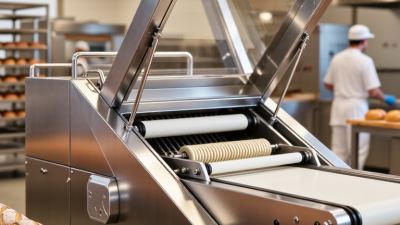
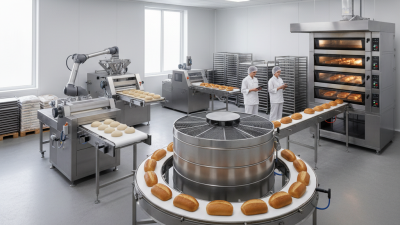
Bakery equipment falls into several practical categories. Mixing equipment develops dough consistently, while dividers and moulders portion and shape it. Proofing cabinets control warmth and humidity before baking. Ovens then apply heat, and cooling racks or conveyors help products release steam before packing. Each stage affects the next. A poorly mixed dough, for example, may proof unevenly even in a well-controlled cabinet.

Suppliers worldwide may offer equipment for small artisan kitchens, large production lines, or both. Compare capacity with your busiest realistic shift, not an optimistic estimate. Check the contact surfaces, cleaning access, power requirements, and availability of operator training and maintenance support. These details matter. A compact machine may save floor space but slow production if its output does not match the rest of the line. Equipment plans are rarely perfect on paper; actual dough behavior can expose gaps.

Tips: Ask suppliers for specifications, installation needs, and a clear maintenance schedule. If possible, test a representative dough batch before purchase. Note how easily staff can adjust settings and clean the machine. Small details matter, and they are easy to overlook.

Top 10 Bread Baking Equipment Suppliers Worldwide — Understanding the Main Categories of Bakery Equipment

No. Equipment Category Typical Equipment Main Baking Stage Primary Function Key Selection Considerations
1 Dough Mixing Spiral mixers, planetary mixers, horizontal mixers Mixing Combines flour, water, yeast, salt, and other ingredients to develop dough. Batch capacity, dough type, mixing speed, temperature control, and cleaning access.
2 Dough Dividing Volumetric dividers, weight-controlled dividers Dividing Separates bulk dough into portions for consistent downstream processing. Target piece-weight range, output rate, dough handling method, and weight consistency.
3 Dough Rounding Cone rounders, drum rounders, belt rounders Rounding Shapes divided dough portions into rounded pieces and helps create a uniform surface. Dough-piece size, dough condition, throughput, and available floor space.
4 Intermediate Proofing Proofing cabinets, pocket proofers, resting conveyors Resting Allows dough portions to relax after dividing and rounding, making them easier to shape. Resting time, capacity, footprint, and compatibility with the production line.
5 Dough Sheeting and Moulding Sheeters, moulders, baguette moulders Shaping Forms dough into products such as loaves, rolls, and baguettes. Product range, dough-piece dimensions, adjustment options, and handling pressure.
6 Final Proofing Proofing chambers, proofing cabinets, conveyor proofers Final fermentation Provides controlled temperature and humidity conditions for dough to rise before baking. Temperature and humidity control, chamber capacity, airflow, and loading configuration.
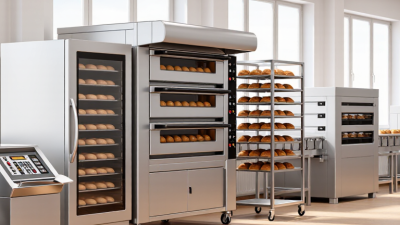
7 Baking Ovens Deck ovens, rack ovens, tunnel ovens, rotary ovens Baking Transfers heat to dough to set its structure, develop crust, and bake the loaf. Product type, batch or continuous production, heating method, energy use, and bake uniformity.
8 Cooling Systems Cooling racks, spiral coolers, cooling conveyors Post-bake cooling Cools baked bread before slicing, packaging, or distribution. Cooling capacity, available space, airflow, product handling, and line speed.
9 Slicing and Packaging Bread slicers, baggers, clip or seal systems Finishing Prepares cooled bread for retail or food-service distribution. Loaf dimensions, slice thickness, packaging format, output rate, and changeover needs.
10 Process Control and Conveying Conveyors, ingredient dosing systems, line controls Across the production line Moves products between operations and coordinates production steps and ingredient delivery. Line layout, sanitation requirements, integration with other equipment, and production capacity.

Comparing Suppliers by Products, Reach, and Support

Comparing bread-baking equipment suppliers means looking beyond catalog size. Some focus on mixers and dough dividers; others offer complete lines, including proofers, ovens, and cooling conveyors. Grand View Research estimated the global bakery processing equipment market at USD 11.69 billion in 2023, with projected annual growth of 6.1% from 2024 to 2030. This market outlook signals demand, not supplier reliability. Ask for machine specifications, throughput under real operating conditions, and references from bakeries with similar products.

Reach matters when equipment crosses borders. Check where a supplier can install, train operators, and provide replacement parts. A remote service promise is less useful if a temperature sensor takes weeks to arrive. Support should include clear response times, maintenance instructions, and practical training. Compare warranty terms carefully. A broad product range can simplify purchasing, but it may also leave gaps in specialized support. No supplier scores perfectly. I would still verify claims with a site visit or customer reference; paperwork alone can miss everyday problems.

Tips: Request a sample production schedule and a parts list for critical equipment. Ask how quickly common wear parts ship to your location. Small details matter. A short call with an existing customer may reveal more than a polished brochure.

Exploring the Global Landscape of Bakery Equipment

The global bakery equipment landscape is shaped by varied production needs, not just machine capacity. A neighborhood bakery may need a compact deck oven and flexible mixer, while a high-volume plant depends on continuous lines, dependable temperature control, and easy-to-clean surfaces. MarketsandMarkets estimated the bakery processing equipment market at USD 11.6 billion in 2023, projecting USD 15.5 billion by 2028. That forecast points to continued investment, though regional demand and energy costs can change purchasing priorities. Suppliers compete on more than output: installation support, spare-parts access, operator training, and equipment compatibility matter during daily production.

A useful comparison starts with the product and process. Ask suppliers for throughput figures using your dough type, target loaf size, and actual operating conditions; headline capacity alone can mislead. Check whether controls allow repeatable proofing and baking, and whether routine cleaning can be done without excessive downtime. In export markets, confirm local service coverage and available technical documentation before signing. The report’s market projections are estimates, not guarantees—and equipment upgrades do not automatically improve consistency.

Tips: Request a live trial with your own dough, measure energy use per batch, and inspect the changeover process. A small detail, like awkward access behind a mixer, can become a daily frustration.

Profiles of Ten Leading Bread Baking Equipment Suppliers

Worldwide bread-equipment suppliers often specialize rather than provide every machine. An industrial-line supplier may design automated systems that move dough from mixing to baking with limited manual handling. A deck-oven supplier focuses on steady heat and stone or steel baking surfaces. A mixer specialist compares bowl capacity, dough temperature, and batch consistency. These details matter. A divider-and-rounder supplier helps bakeries produce portions with less variation, while a proofer supplier manages humidity and temperature to support reliable fermentation.

Other suppliers serve different production needs. A modular-equipment supplier offers flexible setups for artisan bakeries with limited floor space. An energy-conscious oven supplier emphasizes insulation and heat recovery, though actual savings depend on use.

A cooling-and-conveyor supplier helps prevent loaves from being packed while warm. A handling-equipment supplier provides racks, pans, and washable work surfaces that suit daily cleaning routines. Finally, a full-service integrator can coordinate machines, installation, and operator training.

These profiles are not a fixed ranking; “leading” depends on bakery size, bread styles, and local service access. Ask suppliers for throughput figures under comparable recipes, spare-parts timelines, and references from similar facilities. Then check the claims against a real production trial.

Paper specifications can look convincing. They do not always predict a busy Monday morning.