

China Top 10 Packaging for Bakery Products Suppliers?
Choosing the right packaging for bakery products supplier in China requires more than comparing prices or browsing attractive catalogs. Bread, pastries, cakes, and cookies each create different packaging demands. A crusty baguette needs moisture control. A cream-filled cake needs stronger protection and careful hygiene management. Cookies need barriers against oxygen, humidity, and breakage.
Walter Soroka, a respected packaging educator and author, wrote, “Packaging is the science, art, and technology of enclosing and protecting products.” This principle remains practical for modern bakeries. The best supplier should combine suitable materials, stable printing quality, reliable sealing, and consistent production control. Their packaging should also support food-contact safety, traceability, efficient transport, and responsible material choices.
This guide reviews ten Chinese suppliers connected with packaging for bakery products. The comparison considers product range, manufacturing experience, customization, barrier performance, minimum order quantities, and export capability. Samples should still be tested. A package that looks strong may wrinkle, leak, or lose its seal during delivery. Small details matter, including a clean tear line, a visible product window, and enough space for labeling.
No ranking is permanently perfect. Supplier websites change, factory capabilities may differ, and published certifications require verification. Buyers should request current documents, test reports, and production samples before signing an agreement. That extra step can prevent expensive surprises. The aim here is not to promote one company blindly, but to help bakery brands ask sharper questions and make more reliable sourcing decisions in China’s competitive packaging market.
What Bakery Product Packaging Suppliers Provide
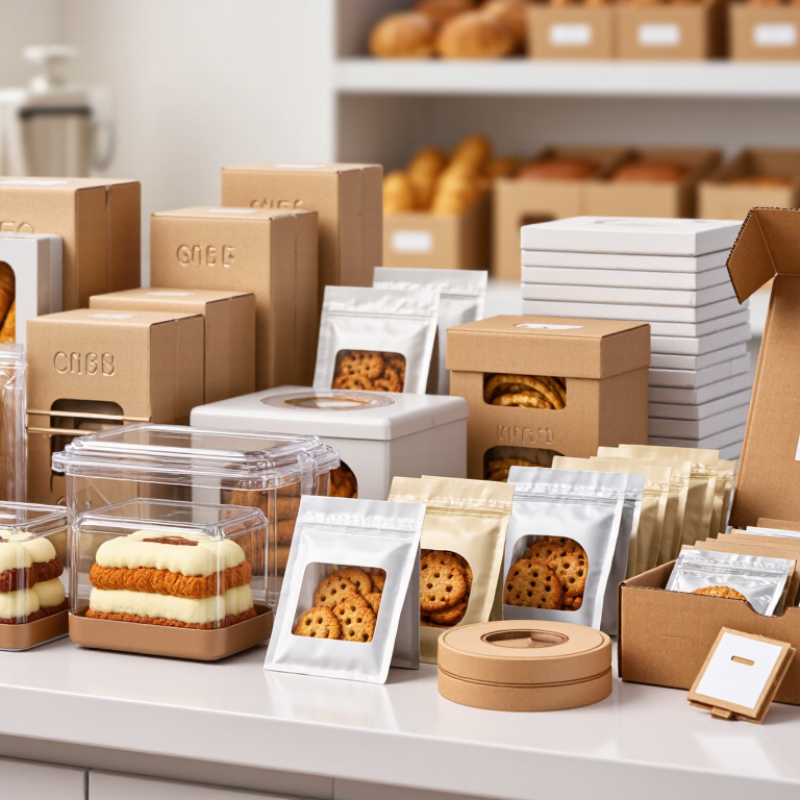
Bakery packaging suppliers provide more than printed boxes. They offer paperboard cartons, grease-resistant bags, films, trays, labels, and sealing equipment. Each choice should match the product’s texture and shelf life. A crusty loaf needs ventilation, while cream-filled pastries need stronger barriers against moisture and oxygen. Suppliers can also provide prototypes, dielines, food-contact documentation, sealing trials, and drop tests. These practical services often prevent expensive production mistakes.
Sustainability now shapes purchasing decisions. The OECD Global Plastics Outlook reports that only 9% of global plastic waste was recycled in 2019. Therefore, suppliers increasingly provide recyclable mono-material films, fiber-based trays, water-based inks, and reduced-material designs. Yet “recyclable” does not always mean recyclable locally. Collection systems differ sharply between regions. That detail is easy to miss. Packaging teams should request written material specifications and verify claims with independent testing. A supplier’s experience with humidity, freezer storage, and transport vibration also matters more than attractive samples.
Tips: Ask for three samples filled with the real bakery product. Test them after 24 and 72 hours. Check grease marks, sogginess, seal strength, and label adhesion. Request migration testing and batch traceability records. I would also review the artwork twice; small nutrition-label errors can delay an otherwise good launch. Suppliers should explain minimum order quantities, lead times, tooling costs, and what happens when a material becomes unavailable.
China Top 10 Packaging for Bakery Products Suppliers? - What Bakery Product Packaging Suppliers Provide
Anonymized comparison of common bakery-packaging supplier capabilities and product formats
| Rank | Supplier Profile | Primary Packaging Focus | Common Materials | Customization Options | Typical Bakery Applications | Sustainability Options | Key Buyer Considerations |
|---|---|---|---|---|---|---|---|
| 1 | Supplier Profile A | Paper bags and bread sleeves | Kraft paper, grease-resistant paper, glassine paper | Flexographic printing, window panels, adhesive or folded closures, custom sizes | Bread, baguettes, rolls, pastries, cookies | Recyclable paper structures, water-based inks, reduced-ink designs | Paper strength, grease resistance, food-contact suitability, print coverage |
| 2 | Supplier Profile B | Cake and cupcake boxes | Folding carton board, kraft board, coated paperboard | Die-cut windows, inserts, handles, foil accents, spot varnish | Cakes, cupcakes, brownies, macarons, dessert assortments | FSC-certified paperboard availability, recyclable windows, soy or water-based inks | Load-bearing capacity, insert stability, window clarity, assembly efficiency |
| 3 | Supplier Profile C | Corrugated shipping cartons | Single-wall and double-wall corrugated fiberboard | Custom die-cutting, flexographic printing, dividers, locking structures | Wholesale bakery shipments, gift sets, subscription boxes | Recycled fiber content, recyclable corrugated board, paper tape compatibility | Edge-crush strength, stacking performance, moisture exposure, shipping tests |
| 4 | Supplier Profile D | Flexible pouches and stand-up bags | PET, PE, PP, paper-based laminates, metallized films | Zippers, tear notches, hang holes, clear windows, matte or gloss finishes | Granola, cookies, rusks, dry pastries, baking mixes | Mono-material PE or PP structures and downgauged films where suitable | Barrier performance, seal integrity, recyclability by local systems, shelf-life needs |
| 5 | Supplier Profile E | Plastic bakery containers and trays | PET, rPET, PP, polystyrene alternatives | Hinged lids, snap closures, compartments, embossed markings, custom molds | Cakes, tarts, cupcakes, sandwiches, chilled desserts | Recycled PET content, recyclable PET or PP formats, lightweighting | Clarity, impact resistance, closure security, temperature range, stacking |
| 6 | Supplier Profile F | Foil-lined and laminated bakery packaging | Aluminum foil, paper, PET, PE, metallized film | Printed laminates, heat seals, easy-open features, shaped formats | Filled pastries, butter-rich products, long-life baked goods | Material reduction, recyclable structures where barrier requirements permit | Oxygen and moisture barrier, aroma retention, seal quality, disposal route |
| 7 | Supplier Profile G | Muffin, cupcake, and pastry inserts | Molded pulp, paperboard, corrugated board, PET or PP | Multi-cavity layouts, custom fit, locking tabs, printed surfaces | Cupcakes, muffins, mini tarts, assorted pastry gift boxes | Molded fiber, recycled paperboard, plastic-free structural designs | Product fit, ventilation, oil resistance, automated packing compatibility |
| 8 | Supplier Profile H | Greaseproof sheets and interleaving papers | Greaseproof paper, parchment paper, coated paper | Printed patterns, pre-cut sheets, rolls, custom basis weights | Burgers, sandwiches, cookies, pastries, bakery display trays | Compostable or recyclable paper grades subject to local requirements | Grease resistance, release properties, heat tolerance, printing compliance |
| 9 | Supplier Profile I | Bakery labels, seals, and stickers | Paper labels, PP film, PET film, removable adhesive stocks | Variable data, QR codes, thermal transfer compatibility, die-cut shapes | Ingredient labels, tamper seals, date labels, promotional packaging | Recycled paper facestocks, wash-off adhesives, liner reduction | Adhesion to cold or oily surfaces, legibility, barcode quality, regulatory text |
| 10 | Supplier Profile J | Custom gift boxes and premium presentation packaging | Rigid paperboard, corrugated board, kraft board, textile or paper inserts | Magnetic or ribbon closures, trays, sleeves, embossing, foil stamping | Seasonal gift sets, corporate hampers, premium cookies and chocolates | Paper-based structures, reusable designs, plastic-free inserts | Presentation quality, structural protection, assembly time, shipping volume and cost |
Related Posts
-

10 Tips for Packaging Bakery Products for Global Buyers?
-
10 Best Packaging Ideas for Bakery Products?
-

What is the Importance of Baking Supplies in Culinary Arts?
-
2026 Best Bakery Packaging Trends for Global Buyers?
-
2026 How to Choose the Best Bakery Packaging Options?
-

Top Packaging Solutions for Bakery Products to Enhance Freshness and Appeal