10 Tips for Packaging Bakery Products for Global Buyers?

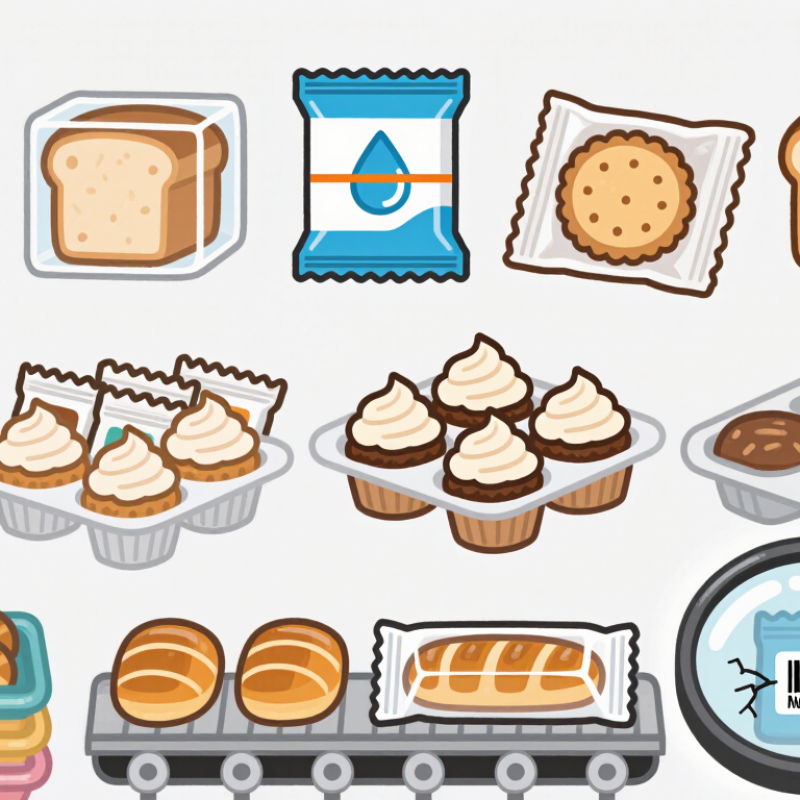
Global bakery buyers judge more than flavor. They examine protection, presentation, shelf life, and shipment performance. Packaging for bakery products must survive long journeys without crushing delicate pastries or trapping unwanted moisture. A soft bun can arrive dry. A crisp biscuit can arrive limp. Small failures become expensive claims.

Food-packaging authority Gordon L. Robertson offers a useful principle: “Packaging must protect food, preserve quality, and support safe distribution.” This idea guides the ten practical tips ahead. They cover moisture barriers, oxygen control, cushioning, sealing, traceability, and clear product information. They also consider cartons, films, trays, and recyclable structures. Every material choice affects cost, appearance, and waste.

International buyers need consistency. A package should look stable on a crowded shelf and remain readable after handling. It should also support applicable food-contact, labeling, and transport requirements in each destination market. Requirements differ. Assumptions create risk.

A perfect pack does not exist. Sometimes, a stronger barrier adds unnecessary material. Sometimes, a sustainable-looking option protects bread poorly. That tension deserves honest testing, not fashionable claims. Try vibration trials. Measure moisture changes. Inspect seals after temperature shifts. Ask whether the package still works when workers handle it quickly.

These ten tips connect design decisions with real bakery conditions. They are practical, but not absolute. Product recipes, climates, routes, and buyer expectations can change the answer. That is where careful testing matters most.
10 Tips for Packaging Bakery Products for Global Buyers?

Assess Product Requirements and Global Market Expectations

Assess Product Requirements and Global Market Expectations

Global buyers judge bakery packaging beyond appearance. They examine shelf life, moisture control, compression strength, and handling performance. A soft bun may need a high-barrier film in humid markets. A brittle biscuit may need a rigid tray and corner protection.

FAO reported that about 14% of food is lost between harvest and retail. Bakery products face different risks, but the lesson remains practical: packaging must protect quality during long distribution routes.

Market expectations also vary. Buyers in warm regions may request stronger seals and transport testing. Retailers often require readable allergen information, nutrition panels, date coding, and traceability details.

The UNEP Food Waste Index Report 2024 estimated 1.05 billion tonnes of food waste in 2022. Packaging cannot solve waste alone, yet poor sealing can accelerate it. A package that looks attractive may still fail after three weeks in a humid container.

Test the real journey.

Use trial shipments, not only laboratory samples. Measure seal strength, water-vapor transmission, odor retention, and carton deformation. Check stacking after vibration and temperature changes.

One assumption deserves review: thinner packaging is not always more sustainable if damaged products increase waste. Cost targets can also distort decisions. A cheaper film may create leaks, returns, and disappointed buyers.

Global requirements should be confirmed with local importers, accredited laboratories, and current destination-market rules. Older specifications can quietly become unreliable.

Select Materials That Protect Bakery Freshness and Quality

Packaging Bakery Products for Global Buyers

Freshness starts with material selection, not decoration. In trial shipments, I have seen crisp pastries soften when moisture crossed a weak inner layer. Cakes can also absorb odors from nearby cargo. Choose food-contact materials with suitable moisture, oxygen, grease, and aroma barriers. Paper may offer a natural appearance, but it often needs a protective coating for high-fat products. Plastic films can protect texture well, yet their structure must match recycling and destination requirements.

Tip: Match the barrier to the bakery item. Cookies need moisture control, while cream-filled cakes may require stronger sealing and temperature protection. Use corrugated boxes with enough compression strength for stacked export cartons. Avoid excessive empty space. It allows movement and crushing. Add vents only when condensation is a realistic risk, because unnecessary openings can reduce protection.

Test packaging under real conditions. Simulate humidity, vibration, compression, and temperature changes before selecting a final format. Check whether seals remain closed after cold storage or long transit. Ask material suppliers for food-contact documentation and clear performance data for each market. Small details matter, such as ink placement, odor neutrality, and easy opening. A beautiful package can still fail. I once underestimated condensation during a humid route; the product survived, but the inner carton did not. Recheck assumptions. Freshness is a chain, and the material is one important link.

Design Packaging for Safety, Branding, and Easy Handling

Global bakery buyers judge packaging by more than appearance. It must protect texture, prevent contamination, and survive long handling routes. In export trials, a crushed corner often creates more concern than a weak sales message. Use food-contact materials supported by supplier declarations, migration testing, and traceability records. Align controls with HACCP principles and ISO 22000-based food safety systems. Small details matter.

Humidity is a serious threat to biscuits, pastries, and filled products. The Food and Agriculture Organization reports that 13.2% of food is lost between harvest and retail, showing how vulnerable supply chains remain. Packaging cannot solve every loss, but it can reduce moisture transfer, crushing, and unnecessary exposure. Add clear lot codes, allergen information, storage temperatures, and opening instructions. Keep the print readable after refrigeration and transport.

Branding should work without sacrificing handling. Choose stable cartons with hand-friendly dimensions, visible product windows, and separators that stop items sliding. The United Nations Environment Programme’s Food Waste Index Report 2024 estimates that 1.05 billion tonnes of food were wasted in 2022. Overpackaging is not automatically safer. Right-size the pack and test recycled-content materials carefully, because inconsistent stiffness may damage delicate goods. Test it twice. Real distribution trials should include vibration, stacking, humidity, and temperature changes. Some designs look perfect in the factory and fail at the warehouse. That weakness deserves honest review.

Meet International Food Packaging and Labeling Regulations

10 Tips for Packaging Bakery Products for Global Buyers

Meet International Food Packaging and Labeling Regulations

Export packaging is a compliance tool, not merely a protective shell. The World Health Organization reports that unsafe food causes about 600 million illnesses yearly. Bakery products need protection from moisture, crushing, pests, and temperature changes. Use food-contact materials supported by supplier declarations. Tip 1: Confirm material safety. Tip 2: Test seal strength. Tip 3: Add a batch code. Tip 4: Record every packaging specification.

Labels create different risks. In the European Union, Regulation (EU) No 1169/2011 requires clear ingredient, allergen, net quantity, date, storage, and operator information. The regulation identifies 14 allergens. In the United States, sesame became the ninth major allergen under the FASTER Act. Tip 5: Translate ingredients professionally. Tip 6: Highlight allergens visibly. Tip 7: Use approved measurement units. Tip 8: Check date wording for each market. One translation error can become an expensive recall.

Packaging waste also affects buyer decisions. The UNEP Food Waste Index Report 2024 estimates that 1.05 billion tonnes of food were wasted in 2022. Better portion sizing and resealable formats may reduce damage and waste. Tip 9: Test cartons through simulated transport. Tip 10: Review recyclability claims with local rules. Avoid vague statements such as “eco-friendly.” They sound attractive, but they may lack evidence. A final review by a qualified regulatory specialist remains wise. Even experienced teams miss small details.

10 Tips for Packaging Bakery Products for Global Buyers

Meet International Food Packaging and Labeling Regulations

The chart compares the number of allergen categories that must generally be declared on prepacked food labels in selected major markets. Bakery exporters should verify the exact ingredient, cross-contact, formatting, language, and precautionary-labeling requirements before shipment.

Sources: U.S. Food Allergen Labeling and Consumer Protection Act; European Union Regulation (EU) No 1169/2011; UK Food Information Regulations; Canadian Food and Drugs Regulations; Australia New Zealand Food Standards Code Standard 1.2.3.

Test, Optimize, and Scale Packaging for Global Distribution

Global bakery packaging must protect texture, appearance, and freshness across long supply routes. Moisture, vibration, heat, and stacking pressure can quickly damage delicate products. Test real packaging with representative pastries, fillings, and shelf-life conditions. Use drop, compression, vibration, seal-strength, and humidity testing. A laboratory result helps, but it never copies every warehouse or delivery truck.

Tip: Begin with a small pilot shipment. Inspect crushed corners, softened crusts, oil stains, and loose seals after arrival. Record the temperature and transit time. Test both crowded and partially filled cartons. This often reveals problems that a perfect laboratory sample hides.

Optimize the package before increasing production. Adjust carton dimensions to reduce movement, but leave enough space for protective cushioning. Select materials that balance barrier performance, recyclability, weight, and cost. Packaging machinery also needs trials, because small changes in film thickness or sealing temperature may cause leakage. I have seen attractive packages fail because the closure was rushed. That mistake is easy to repeat.

Scale through controlled production batches and documented quality checks. Monitor dimensions, seal integrity, print accuracy, and moisture protection at regular intervals. Keep backup suppliers for critical materials, while verifying that substitutions perform identically. Global distribution also requires clear handling instructions and destination-specific packaging reviews. Do not assume the first successful shipment proves the design is ready. Real-world data should continue changing the package.