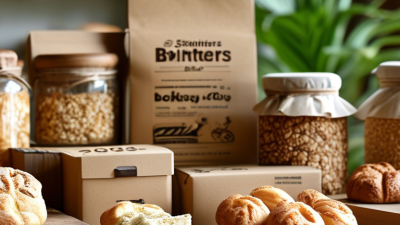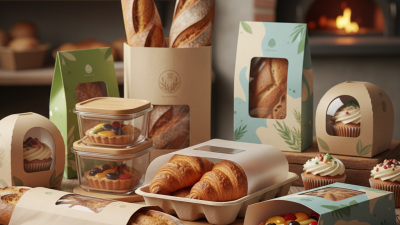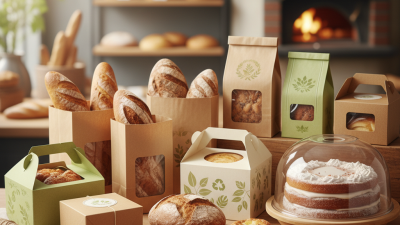
Packaging for bakery products is no longer just a protective layer around bread, cakes, or pastries. It shapes freshness, transport safety, customer expectations, and brand memory. A warm croissant may leave the oven perfectly crisp, yet a poorly vented box can make it soft before reaching the customer. Small details matter.
Packaging design authority Paul Rand said, “Design is the silent ambassador of your brand.” His observation applies strongly to bakery packaging. A kraft paper bread bag can suggest natural simplicity, while a rigid cake box can communicate celebration and premium quality. However, attractive design alone is not enough. Materials must suit humidity, grease, temperature, stacking, and food-contact requirements. They should also support practical recycling or reuse where local systems allow it.
This guide presents 10 best packaging ideas for bakery products, covering boxes, bags, trays, windows, labels, and thoughtful finishing details. Each idea considers shelf appeal and daily bakery realities. Clear ingredient information, secure closures, and easy carrying can build trust faster than decorative extras. Some suggestions may seem expensive or imperfect at first. That is worth examining. A reusable container may reduce waste but create cleaning challenges. A transparent window may display cupcakes beautifully but use additional material.
The strongest packaging decisions balance protection, presentation, cost, and responsibility. Your bakery may not need every idea. It needs the right combination for its products, customers, and operating conditions.
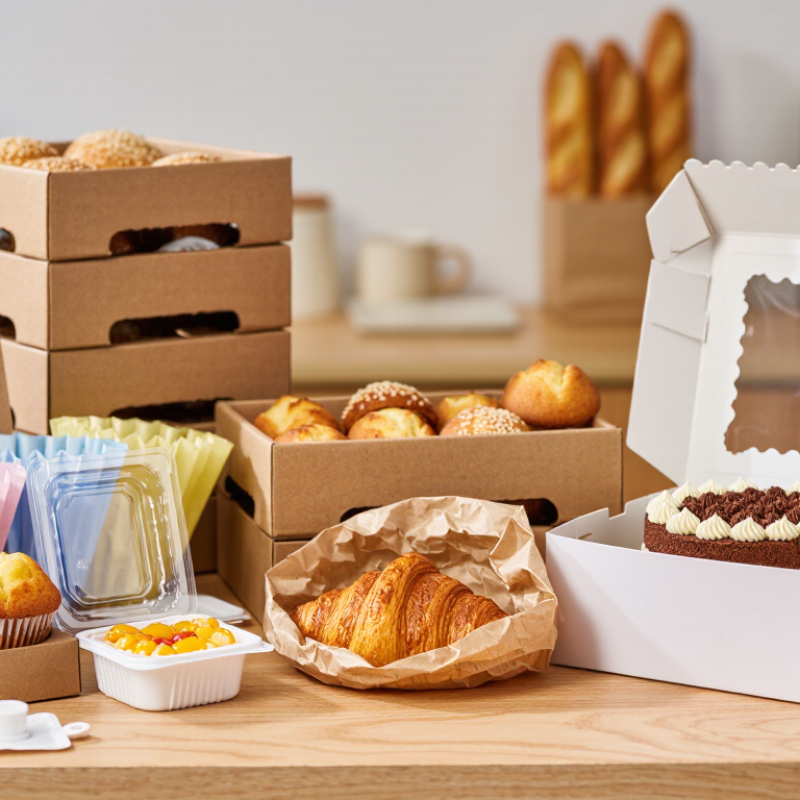
Bakery packaging should begin with a measurable goal, not a fashionable material. FAO reports that 13.2% of food is lost between harvest and retail. This figure gives bakery teams a useful warning: packaging must protect food before customers see it. Bread often needs moisture control, while pastries need crush resistance and grease protection. Cakes may require rigid trays, secure lids, and stable internal supports. A resealable pouch can protect sliced loaves after opening. A transparent window can reduce unnecessary handling in stores.
In my packaging trials, small design changes often prevented visible damage. A slightly deeper tray stopped frosting from touching the lid. Vent holes helped warm products cool without trapping excess moisture. However, ventilation can dry some breads too quickly. That trade-off needs testing. Packaging also should match delivery time, shelf conditions, and product texture. Measure damaged units, stale returns, condensation, and customer complaints. Do not assume heavier packaging always performs better.
Tips: Test at least three package structures under real transport conditions. Check seals after stacking, vibration, and temperature changes. Use clear labels for storage and opening instructions. Reduce empty space, but leave enough room for delicate toppings. Review results weekly. Some ideas will fail. That is useful evidence, not wasted effort. Align material choices with recycling access and product protection needs. A practical package prevents loss without creating unnecessary complexity.
Match Ten Bakery Products to Paper, Plastic, Glass, and Flexible Formats
Packaging should match the bakery product, not only its appearance. Eurostat reported 186.5 kilograms of packaging waste per European resident in 2022. Paper and cardboard represented about 41% of that waste. Material choice needs practical thinking.
Use a paperboard window box for cupcakes, muffins, and decorated cookies.
Kraft paper sleeves suit baguettes and sandwich rolls.
Corrugated cartons protect celebration cakes during delivery.
Paper bags work well for croissants, though they lose strength against butter and steam.
Plastic clamshells protect macarons and small pastries from crushing.
Recyclable plastic tubs suit brownies and sliced cake when moisture control matters.
Glass jars create a strong presentation for cheesecakes and layered desserts.
Glass also suits cookies, but it adds weight and breakage risk.
Flexible pouches fit granola bars and biscotti.
Heat-sealed film wraps individual doughnuts and soft buns, reducing handling exposure.
Tips: Test packaging after refrigeration, stacking, and a short delivery journey. Product texture can change overnight. A beautiful paper box may still collapse. That failure is useful data.
The Flexible Packaging Association reports that flexible packaging uses fewer materials and can reduce transport weight. However, “recyclable” depends on local collection systems. Add clear disposal guidance. Use food-safe coatings, accurate allergen information, and ventilation holes where condensation threatens crispness. These small details show professional care, even when the design is not perfect.
Bakery packaging should protect texture, not merely display the product. UNEP’s Food Waste Index Report 2024 estimates that 1.05 billion tonnes of food were wasted in 2022. Better packaging can reduce avoidable losses, especially for sliced bread, filled pastries, and soft rolls.
Modified atmosphere packaging, or MAP, replaces oxygen with controlled gas mixtures. A 2023 review in Foods reported that MAP can extend bread shelf life from roughly three to five days to seven to fourteen days, depending on ingredients and storage. Carbon dioxide helps slow mould growth. Nitrogen supports pack shape. Oxygen levels must remain carefully controlled. Small errors matter.
Strong seals are equally important. A weak corner can admit air within hours. Moisture-barrier films help prevent dry crusts, soggy fillings, and sugar bloom. Materials with suitable water-vapour transmission rates work best for humid products.
Clear windows improve visibility, but they may weaken barrier performance. That trade-off is often underestimated.
Real bakery testing should include seal strength, oxygen transmission, moisture migration, and drop resistance. Test after refrigeration and transport, not only on a clean laboratory bench.
Packaging should match the recipe, filling, and distribution route. One solution rarely fits every product. A practical trial may reveal that a thinner film works well, but it can also expose unexpected tearing or condensation. Packaging decisions deserve that uncomfortable second look.
10 Best Packaging Ideas for Bakery Products?
Reducing material starts with measuring the package, not adding decoration. The U.S. Environmental Protection Agency reported an 80.9% recycling rate for paper and paperboard packaging in 2018. Plastic packaging reached only 13.1%. These recovery figures make a strong case for right-sized paperboard cartons, paper sleeves, and minimal inserts. Corrugated shipping boxes performed especially well, with a reported recovery rate near 96.5%. Use that benchmark carefully. Local collection systems still vary.
For bakery products, practical options include foldable cartons, recycled paper trays, compostable liners, reusable delivery crates, lighter lids, water-based coatings, molded fiber separators, paper tape, smaller shipping boxes, and removable labels. A 20-centimeter cake should not travel in a 30-centimeter box. Empty space increases material use and may damage icing. Test compression with real pastries, including buttercream, moisture, and crumbs. Packaging engineers should record weight, recycled content, recovery instructions, and product loss during trials.
The Sustainable Packaging Coalition’s industry guidance emphasizes designing for recovery and clear material identification. Yet “recyclable” does not guarantee recycling. That assumption needs challenging. A grease-soaked pastry board may fail local sorting, despite its fiber content. The EPA’s data also reflects national averages, not every bakery’s community. Check municipal acceptance rules, then adjust coatings and labels. A simple recovery log can track damaged units, rejected materials, and actual collection outcomes. Small measurements often expose waste that attractive packaging hides.
| No. | Packaging Idea | Primary Material | Suitable Bakery Product | Material-Reduction Approach | Preferred End-of-Life Path | EPA 2018 Material Recycling Rate | Implementation Consideration |
|---|---|---|---|---|---|---|---|
| 1 | Right-Sized Folding Carton | Paperboard | Cookies, brownies, pastries and small cakes | Match the carton footprint to the product and eliminate unnecessary headspace, inserts and oversized panels. | Dry-paper recycling where accepted; remove food-soiled sections before recycling. | Paper and paperboard: 68.2% | Use sufficient board strength to prevent crushing during stacking and transport. |
| 2 | Single-Ply Paper Bread Bag | Paper | Bread, rolls and baguettes | Use one appropriately sized paper bag instead of a bag-plus-box combination when protection requirements permit. | Paper recycling if clean and dry; otherwise dispose of according to local waste guidance. | Paper and paperboard: 68.2% | A grease-resistant treatment or inner liner may affect recyclability and local acceptance. |
| 3 | Paperboard Sleeve with Minimal Tray | Paperboard with a small food-contact tray | Sliced cakes, tarts and delicate pastries | Replace a full rigid box with a structural sleeve and use only the smallest tray needed for stability. | Separate materials when practical; recycle clean paperboard through local programs. | Paper and paperboard: 68.2% | The tray and sleeve should be easy for consumers to separate without tools. |
| 4 | Molded-Fiber Insert | Molded paper fiber | Cupcakes, muffins and multi-piece pastry assortments | Use a lightweight molded insert that holds products in place and allows a smaller outer carton. | Paper recycling only where accepted and when the fiber is clean and compatible with the local system. | Paper and paperboard: 68.2% | Fiber performance can decline when exposed to moisture, icing or high-fat foods. |
| 5 | Corrugated Shipping Box with Paper Cushioning | Corrugated fiberboard and paper | Online orders and bakery gift shipments | Use a right-sized box and paper cushioning instead of oversized cartons or mixed-material plastic void fill. | Flatten and recycle clean, dry corrugated fiberboard and paper. | Paper and paperboard: 68.2% | Keep the box dry and remove food contamination, tape and non-paper components where required. |
| 6 | Reusable Rigid Container | Rigid plastic | Cakes, desserts and recurring local deliveries | Use one durable container repeatedly instead of single-use containers for closed-loop or return-based distribution. | Reuse first; recycle at the end of service life where the resin and format are locally accepted. | Plastics: 8.7% | The environmental benefit depends on repeated reuse, return rates, washing practices and transport distance. |
| 7 | Aluminum Foil Wrap for Short-Life Items | Aluminum | Pastries, baked snacks and takeaway portions | Use a thin, form-fitting sheet rather than a rigid container when the product needs protection from light or oxygen. | Clean and dry aluminum recycling where accepted; consolidate small pieces into a larger ball if local guidance permits. | Metals: 34.1% | Food residue, laminated layers and very small pieces can prevent recovery in some systems. |
| 8 | Returnable Glass Dessert Jar | Glass | Puddings, cheesecakes and layered desserts | Use a standardized jar for repeated local returns instead of a new single-use pack for every purchase. | Reuse through a return system; recycle glass when the container is no longer serviceable. | Glass: 25.0% | Glass is heavy and breakable, so the return route should be local and supported by an effective deposit or collection process. |
| 9 | Paper Wrap with a Narrow Label | Paper | Buns, cookies and individual pastries | Use a single wrap with a small label instead of a printed bag, inner pouch and outer sleeve. | Paper recycling when clean and dry; composting should only be used where the full pack is accepted by a suitable program. | Paper and paperboard: 68.2% | Avoid unnecessary coatings, metallic films and adhesives that may interfere with paper recovery. |
| 10 | Stackable Multi-Unit Carton | Paperboard | Donuts, muffins and assorted bakery boxes | Design one carton to hold the full assortment securely, reducing individual wrappers, dividers and duplicate closures. | Recycle clean, dry paperboard through local paper-recovery programs. | Paper and paperboard: 68.2% | Include ventilation or moisture-control features only where they are necessary for product quality and food safety. |
Interpretation: The EPA figures are national U.S. material recycling rates for municipal solid waste materials in 2018, used here as a screening benchmark rather than a guarantee that every bakery package will be accepted locally. Actual recovery depends on contamination, coatings, format, sorting equipment and local collection rules.
Source: U.S. Environmental Protection Agency, Facts and Figures about Materials, Waste and Recycling.
10 Best Packaging Ideas for Bakery Products?
Bakery packaging should protect texture, meet food-contact requirements, and survive delivery. Ten useful formats include paper sleeves, folding cartons, window boxes, molded fiber trays, paper bags, grease-resistant wraps, reusable tins, compostable pouches, cake carriers, and compartment boxes. Paper sleeves work well. They suit muffins and cookies, but weak folds can tear around oily products. Window boxes improve product visibility, although the window material needs separate review.
Before approving a package, verify every food-contact component with current FDA requirements. Check the paper, ink, coating, adhesive, and barrier film. A supplier declaration helps, but it is not a substitute for careful documentation. Ask for migration data when recipes contain butter, chocolate, or acidic fruit. Those ingredients can expose packaging weaknesses quickly. Compostable claims need equal caution. Review ASTM D6400 or ASTM D6868 applicability, test conditions, and commercial composting access. “Compostable” may not mean home compostable.
Transit safety deserves physical testing, not assumptions. Use ASTM D4169 distribution testing to examine compression, vibration, drops, and moisture exposure. Place a frosted cake inside and test realistic delivery routes. I once saw a sturdy-looking carton collapse after humidity softened its base. That failure was useful, but avoidable. Add corner protection, secure inserts, or a moisture-resistant layer only when testing supports the change. A thicker package is not automatically safer. It can increase waste, shipping weight, and handling problems. Review the final design with food-safety specialists and packaging engineers before production.