

What Are the Top Bakery Items for Global Buyers in 2026?
Global buyers entering 2026 are looking for bakery items that balance familiar flavors, dependable quality, and practical handling. Demand varies by market, so no single product can lead everywhere. Still, everyday breads, laminated pastries, cakes, cookies, and portion-sized treats offer useful starting points for comparing product opportunities.
A golden croissant with crisp layers may appeal to one customer, while another reaches for soft sandwich bread or a less-sweet cake. Ingredients, freshness, packaging, shelf life, and serving size all shape the buying decision. Small details matter: a pastry that arrives crushed or loses its texture quickly may disappoint, even when its flavor is excellent. That reality is easy to underestimate.
Pastry chef and chocolatier Jacques Torres is often quoted as saying, “Life is short. Eat dessert first.” His playful line captures the pleasure behind indulgent bakery choices, though purchasing decisions also depend on price and consistency. This guide examines the bakery items global buyers may prioritize in 2026, from daily staples to premium treats, and the product features worth checking before placing an order. Forecasts are never perfect; tastes shift, and local preferences can surprise even experienced buyers.
Global Bakery Market Overview and Buyer Priorities in 2026
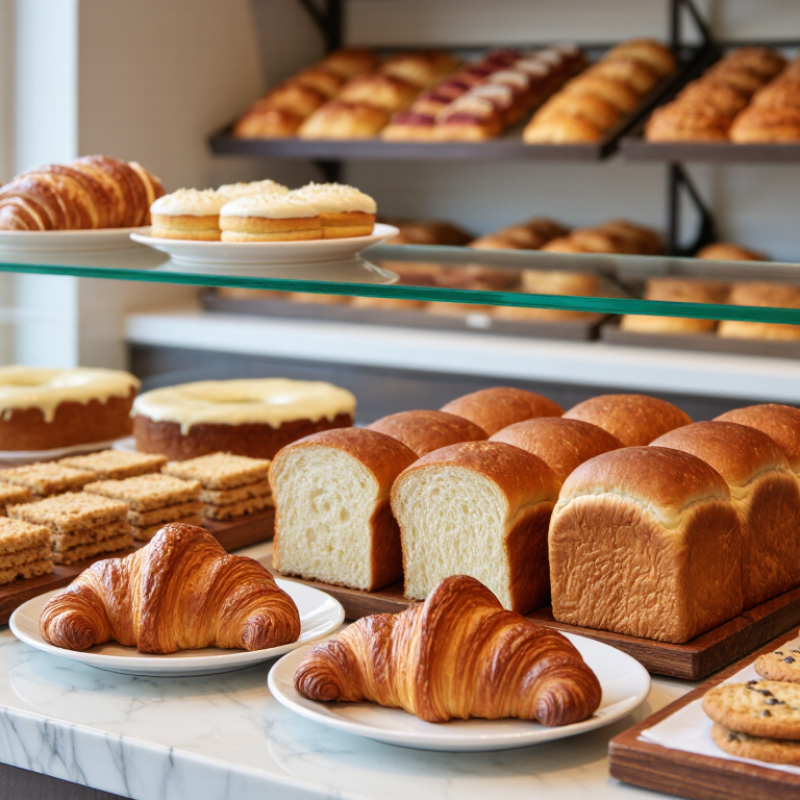
In 2026, global bakery buyers are balancing familiar products with closer attention to consistency, convenience, and food waste. Bread remains a dependable core category, from crusty loaves and soft rolls to portioned sandwich breads for retail and foodservice. Frozen par-baked items let staff finish small batches near serving time, but only when freezer space and delivery schedules are reliable. Details matter.
Croissants, danishes, muffins, and cookies suit breakfast counters and grab-and-go displays. Buyers also look for sourdough and whole-grain options, though demand varies by region and customer base. Gluten-free and plant-based products can broaden a range, but clear ingredient information and careful production controls are essential. One recipe will not fit every market.
Across regions, purchasing decisions increasingly consider product consistency, shelf life, packaging, and total handling costs—not just the price per case. A pastry that arrives crushed or dries out quickly can create more waste than a slightly higher-priced alternative. Buyers can assess this with sample shipments, storage checks, and bake-off trials that reflect actual kitchen conditions. Local eating habits matter, too: sweetness, portion size, and preferred textures differ, so small adjustments may outperform a uniform global assortment.
What Are the Top Bakery Items for Global Buyers in 2026? – Global Bakery Market Overview and Buyer Priorities in 2026
A qualitative overview of widely traded bakery categories and common sourcing considerations. Priority levels describe general buyer attention, not market share or a quantified forecast.
| Bakery Item / Segment | Common Formats | Why Buyers Source It | Key Buyer Priorities | Typical Supply Considerations | Overall Buyer Attention |
|---|---|---|---|---|---|
| Packaged bread and rolls | Sliced loaves, sandwich bread, buns, dinner rolls | Everyday staple with broad use across retail, foodservice, and institutional channels | Consistent texture, dependable freshness, clear ingredient and allergen information | Pack size, shelf life, delivery frequency, and protection from crushing | High |
| Frozen dough and par-baked bread | Frozen dough pieces, proof-and-bake items, par-baked loaves and rolls | Supports on-site baking while reducing preparation work and helping standardize output | Reliable bake performance, product consistency, storage stability, and ease of handling | Cold-chain capacity, freezer storage, thawing or proofing instructions, and shipment temperature control | High |
| Croissants and laminated pastries | Ready-to-bake frozen pastries, baked croissants, filled pastries | Suitable for cafés, hotels, foodservice, and bakery counters seeking convenient premium options | Layer definition, flavor, appearance, and consistent performance after baking | Frozen logistics, protection against breakage, and clear finishing instructions | High |
| Cookies and biscuits | Sweet and savory biscuits, filled cookies, portion-packed products | Convenient, portable products with applications in retail, catering, and foodservice | Flavor consistency, texture, portion control, packaging integrity, and allergen labeling | Moisture protection, shelf-life validation, and packaging suited to the destination channel | High |
| Cakes and muffins | Whole cakes, cake slices, muffins, individually wrapped portions | Serves snack, dessert, café, and celebration occasions | Moistness, portion options, visual finish, and reliable product condition on arrival | Careful handling, packaging protection, and chilled or ambient distribution according to product type | Medium–High |
| Whole-grain and seeded bakery products | Whole-grain loaves, seeded rolls, multigrain crispbreads | Provides options for buyers responding to interest in grain variety and fiber-containing foods | Accurate grain and seed declarations, appealing texture, and consistent ingredient quality | Ingredient traceability, seed-allergen controls where relevant, and protection against rancidity | Medium–High |
| Gluten-free bakery products | Breads, rolls, cakes, cookies, and bakery mixes | Meets demand from consumers who require or choose gluten-free options | Cross-contact controls, suitable texture, clear labeling, and documented production procedures | Segregated handling, ingredient verification, and compliance with the destination market’s labeling rules | Medium–High |
| Flatbreads and wraps | Flatbreads, tortillas, pitas, naan-style breads | Versatile for retail meals, foodservice, and multiple regional cuisines | Flexibility, resistance to cracking, consistent diameter or portion size, and ease of reheating | Moisture control, pack configuration, and ambient or frozen distribution suitability | Medium–High |
| Plant-based and specialty bakery items | Egg-free or dairy-free breads, pastries, cakes, and mixes | Expands choice for buyers serving customers with dietary preferences or ingredient restrictions | Transparent ingredient statements, sensory quality, and substantiated product claims | Recipe consistency, allergen management, and review of claims against local regulations | Medium |
Buyer checklist: Confirm product specifications, ingredient and allergen declarations, shelf-life evidence, packaging requirements, certifications, import documentation, and cold-chain capabilities for the destination market before placing an order.
Related Posts
-
China Best Bakery Items to Try for a Unique Culinary Experience?
-
10 Best Bakery Products for Global Buyers
-
How to Choose the Best Baking Cooler in 2026?
-
What is Bakery Automation at the 139th Canton Fair?
-
2026 Top Trends in Packaging for Bakery Products?
-
How to Source Quality Bakery Parts for Your Business?