10 Best Bakery Products for Global Buyers

Global buyers are looking beyond familiar loaves and basic pastries. They want bakery products that travel well, taste authentic, and meet changing consumer expectations. Shelf life matters. So does texture.

From crusty sourdough and soft brioche to filled croissants and gluten-free cookies, each product offers different commercial value. Buyers must examine ingredient quality, packaging strength, production capacity, and regional preferences. A flaky pastry can look perfect in a sample box, yet lose its appeal after a long shipment. That uncomfortable detail deserves attention.

James Beard, the respected American chef and food writer, once said, “Good bread is the most fundamentally satisfying of all foods; and good bread with fresh butter, the greatest of feasts.” His words explain why bakery products remain powerful across cultures. However, satisfaction alone does not guarantee successful international trade.

This guide reviews ten bakery products with practical buying conditions in mind. It considers flavor, consistency, presentation, storage needs, and market adaptability. Some choices may suit premium retailers. Others fit foodservice, hospitality, or high-volume distribution.

There is no perfect global product.

A product popular in Paris may need reformulation in Singapore. A sweet filling may attract one market and disappoint another. Even strong recommendations require testing. Buyers should request samples, review certificates, inspect packaging, and confirm delivery conditions before placing large orders.

The best bakery products combine sensory appeal with dependable performance. This list offers a useful starting point, not a final answer. Local feedback still matters most.
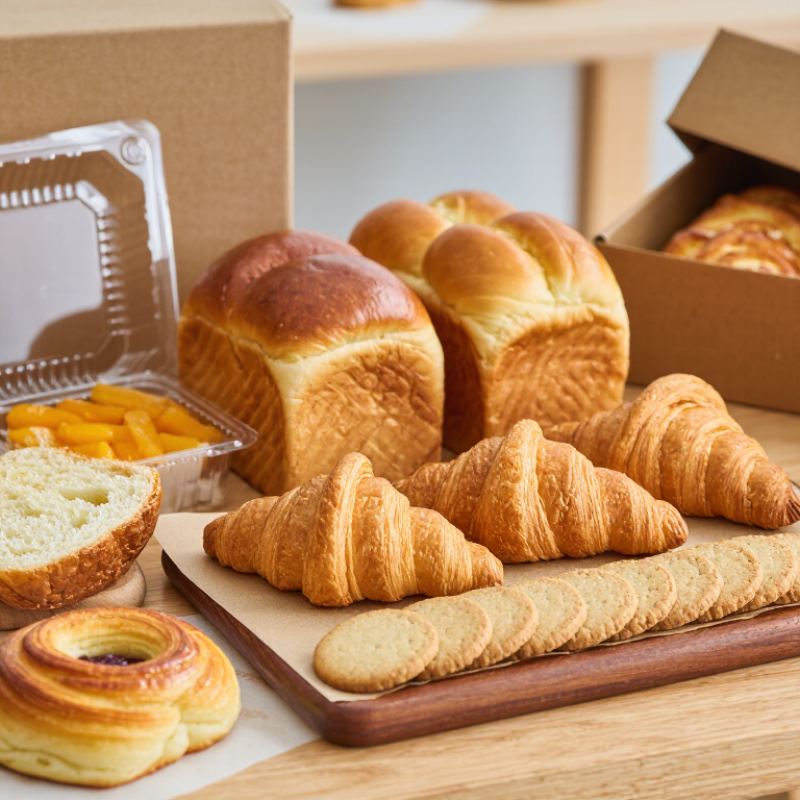
10 Best Bakery Products for Global Buyers

What Makes Bakery Products Suitable for Global Buyers

10 Best Bakery Products for Global Buyers

What makes bakery products suitable for global buyers? The answer is rarely flavor alone. Export-ready products need stable quality, practical packaging, and predictable shelf life. Bread rolls, cookies, crackers, filled pastries, muffins, and frozen dough can travel well when their moisture levels are carefully controlled. A crisp crust may soften during transit. That detail matters.

The FAO reports that 13.2% of food is lost between harvest and retail. Bakery suppliers can reduce this risk through protective packaging, oxygen control, and reliable temperature management. Products should also meet destination-market rules for allergens, ingredients, nutrition panels, and date marking. The Codex General Standard for the Labelling of Prepackaged Foods offers a useful international reference. Yet, compliance is not identical everywhere. Buyers must still verify local requirements.

Tips: Choose products with tested shelf-life data, clear case dimensions, and packaging that survives stacking. Ask for transport trials, not only laboratory results. The UNEP Food Waste Index Report 2024 estimated 1.05 billion tonnes of food waste in 2022, so portion control and resealable packs deserve attention. From practical sourcing experience, simple recipes often perform better across markets. Still, “simple” can become boring. Local texture preferences, sweetness levels, and serving habits may require careful adjustment. That part is easy to underestimate.

The 10 Best Bakery Products for International Markets

10 Best Bakery Products for Global Buyers

For international markets, the best bakery products balance familiarity, shelf life, and local taste. Grand View Research valued the global bakery products market at more than US$500 billion in 2023. It also expects steady growth through 2030. The strongest export shortlist includes sliced bread, hamburger buns, croissants, cookies, crackers, muffins, cakes, tortillas, flatbreads, and frozen dough. These products fit retail, foodservice, and private-label channels.

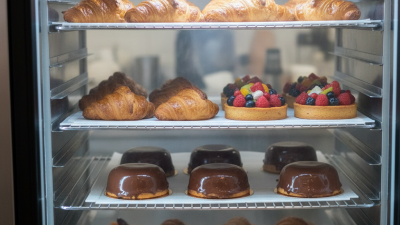
Bread and flatbreads remain practical choices because they serve everyday meals. Croissants, muffins, and cakes offer higher visual appeal and premium positioning. Cookies and crackers travel well when moisture control is effective. Frozen dough can reduce production pressure for overseas bakeries. However, cold-chain costs may weaken its value. That detail is often underestimated.

According to Innova Market Insights, consumers increasingly seek convenience, indulgence, and simpler ingredient choices. This supports portion-sized cakes, reduced-sugar biscuits, and clearly labeled breads. The International Food Information Council also reports strong consumer interest in nutrition and ingredient transparency. Buyers should examine pack size, texture retention, allergen labeling, and regional certification needs. Recipes may require adjustment for humidity, flour strength, and local sweetness preferences. A product successful in one country can feel too dry elsewhere. Testing is essential. Forecasts are not guarantees.

Key Quality Standards and Ingredient Requirements

10 Best Bakery Products for Global Buyers

Global buyers should judge bakery products by measurable standards, not attractive packaging. Strong candidates include sandwich bread, sourdough, buns, flatbreads, muffins, biscuits, crackers, pastries, cakes, and frozen dough. Each product needs defined moisture, texture, weight, shelf life, and microbiological limits. The FAO Food Outlook 2024 forecast global cereal production at approximately 2.85 billion tonnes, showing why wheat quality and supply consistency remain commercial priorities. Buyers should request harvest data, protein levels, gluten performance, and allergen controls. Codex food hygiene principles and ISO 22000-based systems can support traceability from flour intake to finished cartons. Yet certification alone does not guarantee good eating quality.

Ingredient declarations require equal attention. Labels should clearly identify wheat, milk, eggs, soy, sesame, nuts, sweeteners, oils, and processing aids. Local rules may differ, especially for allergen emphasis, additive names, and nutrition claims. Bakery samples should survive realistic shipping conditions, including humidity changes and temperature delays. A dry biscuit can soften inside a poorly sealed carton. A laminated pastry may lose its layers after freezing. Buyers should compare retained samples after 30, 60, and 90 days. Shelf-life claims are sometimes too optimistic.

Tips: Use a shared specification sheet. Check every lot, not only the first shipment. Ask for certificates of analysis and challenge unclear allergen statements. Consider packaging recyclability, but verify barrier performance first. The less glamorous details often decide repeat orders. Some specifications will still need revision after transport trials.

Packaging, Shelf Life, and Global Shipping Considerations

10 Best Bakery Products for Global Buyers

Global buyers often choose sandwich bread, burger buns, dinner rolls, croissants, Danish pastries, muffins, cookies, crackers, sponge cakes, and rusks. Each product needs a different shipping plan. Soft bread usually requires moisture control and protective film. Croissants need crush-resistant trays. Cookies travel better in sealed pouches with oxygen absorbers. Rusks and crackers usually offer longer shelf life, making them safer for distant markets.

Packaging must protect texture, aroma, and shape. I have seen attractive cartons fail because humidity entered through weak seals. Corrugated outer cases help prevent crushing during pallet handling. Individual wrapping improves hygiene and portion control. For cakes and pastries, inner trays should limit movement. Temperature-sensitive products may need insulated cartons and controlled transport. Shelf-life testing should cover heat, humidity, vibration, and storage delays. Printed dates must remain clear after condensation and handling.

Tips: Match packaging to the weakest product feature. Test one full shipment before scaling orders. Leave space for airflow inside cartons. Confirm pallet dimensions with the carrier. Use data loggers when temperature changes could damage quality. Do not assume laboratory shelf life equals real transit performance. A product can pass testing and still arrive dry, flattened, or stale. Review customer feedback after every shipment, even when sales look strong.

10 Best Bakery Products for Global Buyers

Typical unopened ambient shelf life by product, with packaging and global shipping considerations.

Longer-life products such as crackers, rusks, cookies, fruit cake, and panettone are generally more suitable for long-distance shipping because they allow greater time for customs clearance and distribution. Short-life products such as bread, croissants, and muffins typically require moisture-barrier packaging, shorter transit times, and stronger temperature control. Shelf life varies by recipe, water activity, preservatives, packaging format, and storage conditions.

How to Compare Suppliers and Select the Right Bakery Products

Global buyers should compare bakery products by use, not appearance. The ten strongest categories include sliced bread, buns, dinner rolls, croissants, Danish pastries, muffins, cookies, crackers, frozen dough, and celebration cakes. Grand View Research valued the global bakery products market at approximately USD 594.6 billion in 2023. Growth is expected through 2030, but demand differs sharply by region. A soft bun may suit humid retail markets, while frozen dough may better support foodservice consistency.

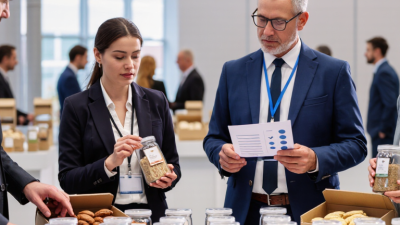
Request samples from at least three suppliers. Check crumb structure, moisture, taste after thawing, packaging strength, and shelf life. Ask for ingredient specifications, allergen controls, microbiological testing, and traceability records. The International Trade Centre’s Trade Map can help buyers compare import values, volumes, and supplier concentration by product code. A low price is not automatically efficient. Freight, temperature control, breakage, and customs delays can change the final cost.

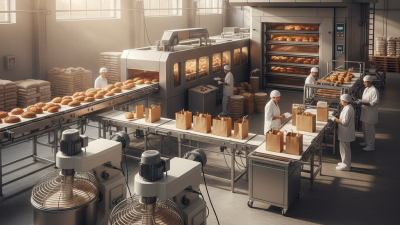
Use a scoring sheet with quality, compliance, capacity, lead time, and communication. Confirm whether production can handle private specifications and seasonal volume. The USDA FoodData Central database offers useful nutrition reference points, but supplier laboratory results should guide final decisions. I would not trust a perfect sample alone. Batch variation matters. One overlooked detail is carton compression; crushed pastry can create expensive retail claims. Buyers should also test products after realistic transport, not only in a clean meeting room. Mistakes happen. A short pilot order often reveals more than a polished presentation.