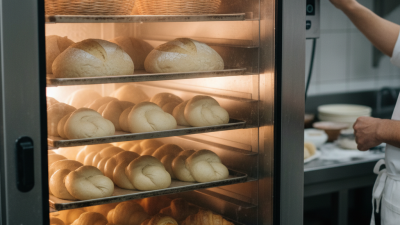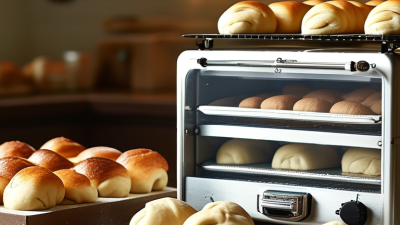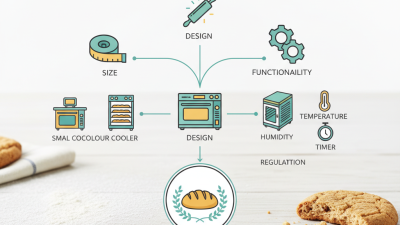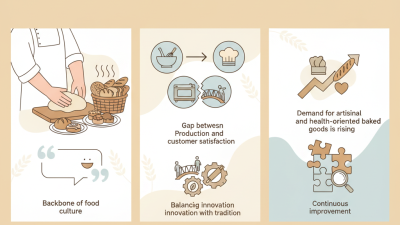
Choosing the best bakery proofer in 2026 requires more than comparing heating elements and attractive display panels. A reliable proofer must create stable warmth, controlled humidity, and enough interior space for daily production. Small temperature changes can leave dinner rolls dense or make croissant dough collapse. The right choice depends on product volume, dough style, available floor space, and staff routines.
Consistency matters most.
Experienced bakers often inspect how evenly a machine distributes moisture across every rack. They also check door seals, water reservoirs, drainage access, and cleaning time. A proofer that reaches 30°C quickly may still perform poorly if its corners dry out. Independent testing, manufacturer specifications, warranty terms, and service availability provide stronger evidence than advertising claims. Energy consumption deserves attention too, especially for bakeries operating overnight or during seasonal demand.
There is no perfect model for every bakery. That may sound obvious, yet purchasing decisions often ignore this point. A compact café may value flexible shelving more than maximum capacity. A wholesale bakery may need programmable cycles and dependable recovery after frequent door openings. Operators should record actual batch sizes, proofing temperatures, humidity readings, and maintenance problems before choosing equipment. Those notes can reveal needs that a showroom demonstration hides. This guide examines practical features, operating costs, construction quality, and long-term reliability, helping readers select a bakery proofer with confidence while recognizing that real-world results still require careful calibration and regular cleaning.
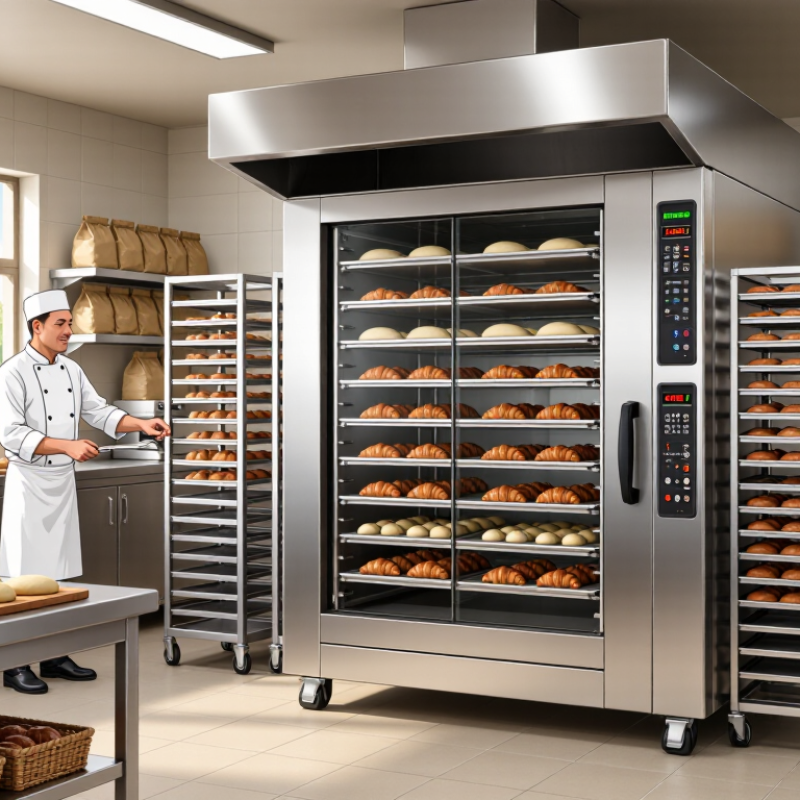
A bakery proofer controls temperature, humidity, and airflow during dough fermentation. Yeast converts sugars into carbon dioxide, expanding the dough before baking. In practical terms, a stable proofer can produce taller loaves, softer crumbs, and more predictable timing. Typical final-proof conditions range from 32–38°C and 75–85% relative humidity, according to professional baking guidance from AIB International. Small changes matter. Dry air can form a skin. Excess moisture can make dough sticky.
This control is increasingly important as bakeries face labor shortages and tighter production schedules. The American Bakers Association’s 2024 industry outlook highlights workforce pressure and operational efficiency as continuing concerns. A reliable proofer helps staff repeat the same process across morning and night shifts. It also reduces guesswork when orders change quickly. I have found that consistency often matters more than impressive maximum capacity. A large chamber is not automatically better.
Energy use deserves attention too. The International Energy Agency reported that buildings and appliances remain major electricity users worldwide in its 2024 energy analysis. Insulated doors, accurate sensors, and short recovery times can limit wasted heat. Ask for recorded temperature and humidity accuracy, not only advertised settings. Review cleaning access, drainage, tray spacing, and service support. These details seem ordinary. They affect every batch. No proofer can repair weak dough formulation, poor yeast quality, or careless loading. That limitation is easy to overlook.
Choosing a bakery proofer in 2026 starts with production math, not cabinet size. Measure the dough pieces your team loads each hour. Then record peak demand, batch weight, tray count, and average proofing time. A proofer holding 20 trays may sound sufficient. It can fail during a Saturday rush.
In practical planning, I use this simple estimate: required capacity equals hourly tray output multiplied by proofing hours, plus a safety margin. The margin matters when mixing slows or dough needs longer fermentation.
For example, a bakery producing 45 trays per hour with a 50-minute proof needs about 38 trays inside at once. Add room for loading errors, seasonal peaks, and uneven spacing. A 15 percent buffer is often more practical than filling every shelf. Leave air channels between trays. Crowding creates uneven results. Check door clearance, rack dimensions, temperature range, and humidity recovery after loading. These details affect usable capacity more than the advertised tray count.
Capacity should also match labor. If staff load six trays every ten minutes, a large chamber may create unnecessary waiting. If the proofer is too small, trays queue beside the mixer, losing temperature control. I have underestimated cleanup and unloading time before. That mistake distorted my capacity plan. Review real production logs for at least one busy week. Compare planned output with actual proofing behavior, including rework and delayed batches. A smaller unit with steady airflow may outperform a larger unit used unevenly. Still, this is not universal. Test the numbers against your floor space, staffing, and most demanding product.
How to Choose the Best Bakery Proofer in 2026?
Which Temperature, Humidity, and Airflow Features to Evaluate
Temperature control should be steady, not merely adjustable. For many yeasted doughs, 28–35°C supports predictable fermentation, but recipes vary. Look for independent heating and sensor calibration. A digital display can mislead if the probe sits near the heater. Ask whether the proofer shows actual chamber temperature and recovery time after loading. Small fluctuations matter. I also prefer adjustable alarms, because an overnight batch can overproof before anyone notices.
Humidity deserves equal attention. A useful proofer should maintain moist air without creating puddles on trays. Many doughs perform well around 70–85% relative humidity, though enriched dough may need testing. Choose a system with a visible water level, automatic refill protection, and accessible cleaning areas. Mold often begins in forgotten corners. That detail is easy to underestimate.
Airflow should circulate warmth gently. Strong fans can skin the dough surface, especially when trays are sparsely loaded. Check for even distribution across upper and lower racks. A simple test uses identical dough pieces placed in different positions. Compare their rise and surface texture. Data logging can reveal patterns that casual observation misses. Still, no feature replaces calibration and staff judgment. I once trusted a factory setting and shortened proofing time too aggressively. The loaves rose unevenly. That mistake changed my checklist: test the proofer with your own dough, record results, and accept that “perfect” settings may need revision.
Temperature, humidity, and airflow targets for common dough types
Use these practical setpoints as a starting point when comparing proofers. A strong unit should hold temperature within approximately ±1°C, humidity within about ±5% RH, and provide gentle, even airflow around the dough rather than strong drafts. Exact settings should be adjusted for the recipe, flour, yeast activity, and desired proofing time.
How to Choose the Best Bakery Proofer in 2026?
Choosing a bakery proofer starts with comparing its working method, not its appearance. A cabinet proofer suits small batches and limited floor space. A walk-in proofer supports production volume but needs stronger floors and wider access. Retarder proofers combine cooling and proofing, which helps overnight scheduling. However, they usually require more technical installation and maintenance.
Energy use depends on more than the heating element. Check insulation thickness, door sealing, humidity controls, and standby consumption. Ask for energy data during a full production cycle, not only maximum power. A proofer running at 6 kW may cost less than a poorly insulated 3 kW unit. That sounds surprising. In my experience, frequent door opening also increases recovery time and energy demand. Staff habits matter.
Installation should be measured before purchase. Confirm electrical capacity, water supply, drainage, ventilation, ceiling height, and service clearance. Some humidity systems need filtered water to protect internal components. The floor must remain level, especially for tall cabinets. Review local electrical and sanitation requirements with a qualified installer. Do not trust a paper layout alone. We once found that a doorway was too narrow for delivery, forcing an expensive change. That mistake was avoidable. Leave room for cleaning and repairs, not just daily operation.
| Proofer Type | Typical Capacity | Temperature Range | Relative Humidity Range | Typical Electrical Input | Estimated Energy Use | Installation Requirements | Best For | Main Advantages | Key Limitations |
|---|---|---|---|---|---|---|---|---|---|
| Compact Proofing Cabinet | 8–20 sheet pans or 1–2 small racks | 27–43°C (81–109°F) |
70–95% RH | 1.5–4 kW | Approximately 2–10 kWh per proofing cycle, depending on ambient conditions and loading | Single-phase electrical supply; level floor; clearance for door opening; nearby water connection if equipped with automatic humidity generation | Small bakeries, cafés, restaurants, and kitchens with limited floor space | Lowest purchase and installation complexity; quick start-up; easy to move or relocate | Limited capacity; less uniform airflow than larger systems; frequent door opening can cause temperature and humidity swings |
| Reach-In Rack Proofer | 1–4 full-size racks, commonly 16–64 sheet pans | 27–46°C (81–115°F) |
70–95% RH | 4–12 kW | Approximately 8–35 kWh per cycle, depending on rack load, cycle length, insulation, and room temperature | Dedicated electrical circuit; level and washable floor; sufficient aisle clearance; floor drain or condensate-management plan; water connection may be required | Retail bakeries and foodservice operations with regular batch production | Good capacity-to-footprint ratio; controlled airflow; supports repeatable production schedules | Requires more floor space and utility capacity; rack dimensions must match the bakery’s pans and carts |
| Walk-In Proofing Room | 4–20+ racks, depending on room size | 27–46°C (81–115°F) |
75–95% RH | 8–30 kW for heating, humidification, and air circulation; refrigeration is additional if included | Approximately 20–100+ kWh per cycle, influenced strongly by room volume, door openings, insulation, and product load | Insulated, washable enclosure; dedicated electrical service; humidity drainage; equipment access; adequate structural support and service clearance; optional refrigeration requires additional heat rejection planning | High-volume production, central kitchens, and bakeries using multiple racks at once | High throughput; flexible rack arrangement; suitable for continuous or scheduled production | Highest construction cost; greater heat and moisture load on the building; poor operating practices can create substantial energy waste |
| Retarder-Proofer | 1–8 racks, depending on cabinet or room configuration | Retarding: approximately 0–10°C Proofing: approximately 27–43°C |
Retarding: usually controlled to limit surface drying Proofing: approximately 70–95% RH |
4–20 kW, with refrigeration and heating loads varying by size | Approximately 20–80 kWh over a typical 12–24-hour program; actual use depends on product mass, set points, insulation, and ambient temperature | Dedicated electrical circuit; refrigeration heat rejection; condensate drainage; level floor; adequate ventilation and service access; reliable door seals are essential | Overnight production, flexible labor scheduling, frozen or chilled dough programs, and bakeries seeking consistent morning output | Combines cold storage and proofing; reduces overnight labor; programmable multi-stage cycles improve scheduling consistency | Higher purchase price and energy demand; controls and maintenance are more complex; requires careful recipe and schedule calibration |
| Proofing Drawer or Under-Deck Unit | 4–12 sheet pans or several small dough batches | 27–43°C (81–109°F) |
70–95% RH | 1–3 kW | Approximately 1–8 kWh per cycle | Electrical outlet or dedicated circuit; heat-resistant, level installation surface; clearance for ventilation and drawer operation; water supply depends on humidification design | Pizzerias, pastry stations, small production lines, and operations needing proofing close to the oven | Very small footprint; convenient workflow; relatively low connected load and simple operation | Small capacity; heat from nearby ovens may affect control accuracy; not ideal for large or tall products |
| Modular Proofing Chamber | 2–12 racks, expandable in sections | 27–46°C (81–115°F) |
70–95% RH | 6–25 kW, depending on chamber volume and options | Approximately 15–75 kWh per cycle | Modular insulated panels; dedicated electrical service; drainage and humidity control; floor loading review; delivery route and assembly space; service clearance around control equipment | Growing bakeries that need capacity expansion without replacing the entire proofer | Scalable capacity; configurable layout; easier to adapt to changing production volumes | Panel joints and door seals require inspection; installation quality strongly affects thermal efficiency and humidity stability |
| How to interpret the energy figures: The ranges above are planning estimates for electrically heated and humidified equipment. Actual consumption varies with cabinet size, insulation quality, ambient temperature, dough load, set point, cycle duration, door openings, humidity method, and local electricity conditions. Ask for both the rated electrical input and measured energy consumption under a defined test cycle before making a final purchase decision. | |||||||||
| Practical selection rule: Choose the smallest proofer that can handle the largest normal batch without overcrowding. For 2026 installations, compare usable rack capacity, control accuracy, standby energy use, door-seal quality, cleanability, electrical phase and voltage, drainage, ventilation, and the availability of local service support. | |||||||||
Choosing a reliable proofer starts with your daily production rhythm, not its feature list. Count your trays, batch sizes, and busiest proofing hours. A small bakery may need flexible capacity rather than the largest cabinet available. Measure the doorway, workspace, and electrical access before ordering. I once saw a compact kitchen lose valuable floor space because this step was ignored.
Temperature and humidity control should remain steady during repeated cycles. Look for clear digital readings, simple adjustments, and a door that seals properly. Ask how quickly the unit recovers after loading cold dough. That detail matters during a morning rush.
Stainless surfaces, removable racks, and accessible drains can reduce cleaning time. They also support safer, more consistent production when staff are tired.
Your budget includes more than the purchase price. Check energy use, installation, maintenance, replacement parts, and staff training. A cheaper proofer may cost more if sensors fail or cleaning becomes difficult. Request technical documentation and confirm the service response process before buying. Test the controls if possible. Bring a sample tray and observe airflow, noise, and temperature recovery. No machine is perfect. My own selection mistake was trusting a specification sheet without watching the unit operate. Leave room for that uncomfortable question: will this proofer still fit your workflow after sales increase?