What Are the Best Bakery Products from China for Global Buyers?

China’s bakery industry offers global buyers a broad range of bakery products, from crisp biscuits and filled wafers to frozen pastries and traditional mooncakes. These products reflect regional tastes, advanced manufacturing, and flexible private-label capabilities. However, product variety alone does not guarantee a successful import program.

Taste still matters.

A reliable evaluation should examine ingredients, texture, packaging, shelf life, and production consistency. For example, a butter cookie may look attractive in a sample box but lose its crispness during humid ocean transport. Moisture barriers, carton strength, and temperature control can change the final customer experience. Buyers should request product specifications, allergen information, nutrition data, and clear storage instructions. Independent laboratory testing may also be appropriate for selected products and markets.

This guide explores which Chinese bakery products may suit supermarkets, foodservice distributors, online retailers, and specialty stores. It considers consumer preferences, export readiness, customization options, and practical sourcing risks. Factory audits, traceable documentation, and small trial orders can reveal weaknesses before larger commitments. Certifications are useful, but they should be checked against the supplier, facility, and destination-market requirements.

No supplier is flawless.

Even experienced buyers can overvalue attractive pricing or polished samples. That judgment deserves review. A stronger decision compares quality, lead time, packaging performance, communication, and after-sales support together. With careful verification and realistic expectations, global buyers can identify Chinese bakery products that offer dependable quality, commercial appeal, and room for long-term growth.
What Are the Best Bakery Products from China for Global Buyers?

Types and Characteristics of China’s Leading Bakery Products

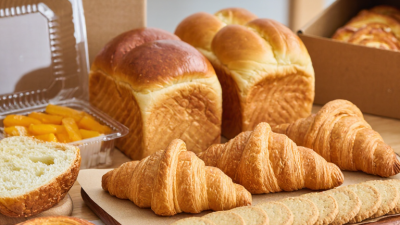
China offers diverse bakery products for global buyers, from traditional pastries to industrial frozen dough. Popular categories include mooncakes, egg yolk pastries, filled buns, biscuits, sponge cakes, and puff pastry sheets. Each type has a different texture, shelf-life profile, and purchasing purpose.

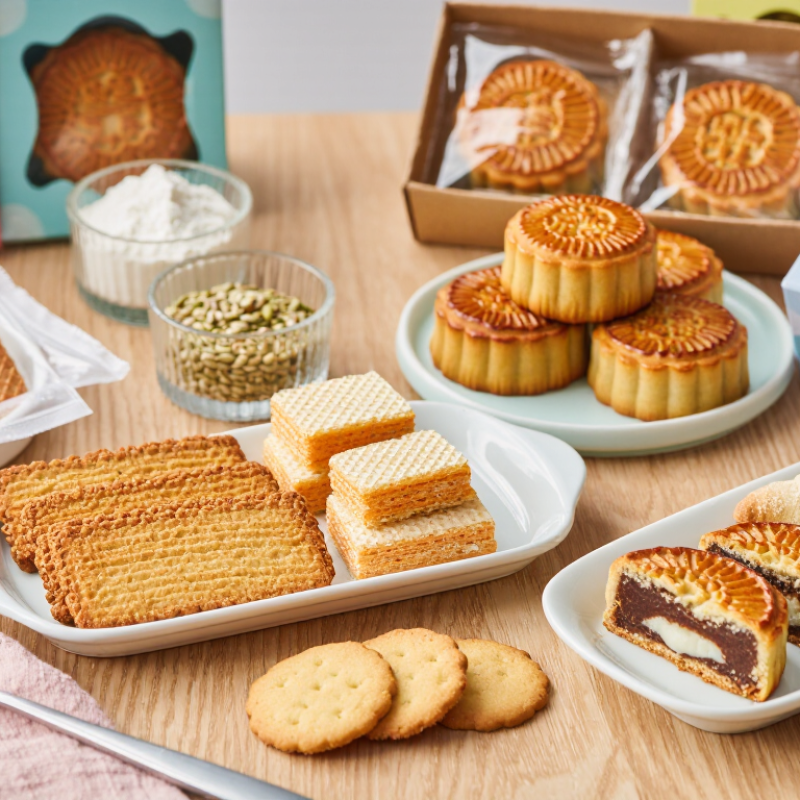
Mooncakes usually have a dense crust and rich fillings such as lotus seed paste, mixed nuts, or red bean. Egg yolk pastries provide flaky layers with a savory center. They suit gift channels but require careful seasonal planning. Biscuits are easier to ship because they have lower moisture and stronger packaging tolerance. Frozen puff pastry saves preparation time for bakeries, although it needs stable cold-chain handling. Sponge cakes are soft and appealing, but their freshness period is shorter.

In practical sourcing, buyers should review ingredient lists, allergen controls, moisture levels, and packaging strength. Product samples should face temperature, drop, and storage tests before large orders. Certification documents help, but documents alone cannot prove consistent quality. Ask for batch records and production dates. Small details matter.

Some products may taste sweeter than expected in Western markets. Texture can also change after long shipping. This is where testing becomes essential. A translated label may still sound unnatural. Buyers should check local labeling rules with qualified specialists and request corrective samples before approval.

Key Ingredients, Flavors, and Regional Influences

Chinese bakery products offer global buyers a broad flavor map, shaped by local grains, climate, and eating habits. Wheat flour remains central in northern regions, producing steamed buns, flaky pastries, and dense mooncakes. Southern areas often favor softer textures, rice flour, coconut, sesame, and sweet bean fillings. In coastal cities, bakeries may use milk, butter, and European-style techniques. Yet the results usually keep a Chinese balance: sweetness is controlled, while roasted nuts, malt, and dried fruit add depth.

Key ingredients deserve close inspection. Lotus seed paste should taste smooth, not oily. Sesame fillings need a fresh roasted aroma and fine texture. Honey, maltose, and sugar affect both flavor and shelf life. Some products contain eggs, dairy, peanuts, or tree nuts, so accurate allergen labeling is essential. Buyers should also request ingredient specifications, moisture targets, packaging details, and batch testing records. I have found that texture can change after shipping, especially in humid containers. This detail is easy to underestimate.

Tips: Compare samples from different regions before placing a large order. Check the filling-to-pastry ratio by cutting each sample in half. Ask for storage trials at your destination temperature. Do not judge quality from appearance alone. A glossy crust may hide a dry center. Seasonal ingredients can also create small flavor differences, so clear specifications matter.

What Are the Best Bakery Products from China for Global Buyers? — Key Ingredients, Flavors, and Regional Influences
Bakery Product Regional Influence Key Ingredients Typical Flavor Profile Texture and Format Common Commercial Pack Indicative Ambient Shelf Life Main Allergen and Buyer Considerations
Cantonese-Style Mooncake Southern China, especially Guangdong; closely associated with Mid-Autumn Festival food culture. Wheat flour, syrup, vegetable oil, lotus seed paste or red bean paste, and sometimes salted egg yolk. Rich, mildly sweet, caramelized, and aromatic; egg-yolk versions add a savory, salty note. Thin, glossy, tender crust surrounding a dense and smooth filling. Individually wrapped pieces in a gift box; seasonal multipacks are common. Approximately 30–90 days, depending on recipe, packaging, and validated processing. WheatEggSesame may occur High sugar and seasonal demand should be considered in product planning.
Suzhou-Style Fresh Meat Mooncake Jiangsu, particularly the Suzhou culinary tradition. Wheat flour, lard or shortening, pork, scallion, sugar, soy sauce, and seasonings. Savory, juicy, peppery, and lightly sweet with a pronounced roasted-meat aroma. Flaky pastry with a tender, juicy meat filling; generally sold as a fresh or chilled product. Chilled trays, vacuum packs, or frozen foodservice cartons. Usually short for fresh products; frozen versions may be stored for several months when validated. WheatSoyPork Cold-chain logistics and destination-country meat regulations are essential.
Wife Cake Traditional Guangdong and Hong Kong-style pastry culture. Wheat flour, winter melon, coconut, sesame, sugar, maltose, and shortening or lard. Sweet, lightly fruity, coconut-like, and mildly nutty. Layered, flaky shell with a soft, chewy winter-melon filling. Individually flow-wrapped pieces or assorted pastry boxes. Typically 30–60 days in sealed commercial packaging. WheatSesameCoconut Crumb control and moisture migration can affect quality during transport.
Sachima Northeastern Chinese and Manchu-influenced confectionery traditions. Wheat flour, eggs, sugar syrup, maltose, oil, and often raisins, sesame, or nuts. Caramel-like sweetness with egg richness and optional dried-fruit or nut notes. Soft, chewy, and slightly crisp fried dough strands bound in syrup. Individually wrapped bars, pillow packs, or family-size bags. Approximately 3–6 months, depending on moisture control and oxygen-barrier packaging. WheatEggSesame or nuts may occur The product can soften in humid climates.
Beijing-Style Mung Bean Cake Beijing snack tradition, with strong links to northern Chinese pastry culture. Mung beans, sugar, wheat flour or starch, and vegetable oil; some versions include rose or osmanthus. Clean, mild bean flavor with gentle sweetness and optional floral notes. Fine, crumbly, and melt-in-the-mouth with a pale yellow appearance. Individually wrapped cakes in small cartons or gift assortments. Approximately 30–90 days for packaged products; shorter for low-preservative versions. May contain wheatMay contain nuts Low-moisture packaging helps preserve the characteristic crumbly texture.
Egg Yolk Pastry Jiangsu and other eastern Chinese pastry traditions. Wheat flour, pastry fat, red bean or lotus paste, salted duck egg yolk, and sugar. Sweet bean paste balanced by a rich, salty, savory egg-yolk center. Multiple delicate pastry layers with a dense filling and firm yolk core. Individually wrapped pieces, gift boxes, or frozen foodservice packs. Approximately 30–90 days for shelf-stable packaged products; frozen products vary by specification. WheatEgg Egg-yolk content, oxidation control, and breakage protection are key export issues.
Osmanthus Cake Southern and eastern regions, including Guangxi and Jiangsu culinary traditions. Rice flour, glutinous rice flour, sugar, osmanthus flowers or syrup, and sometimes honey. Floral, honeyed, lightly fruity, and moderately sweet. Soft, dense, and slightly chewy with visible flower pieces in some recipes. Individually wrapped squares, sliced bars, or decorative gift boxes. Approximately 30–90 days, depending on water activity and packaging. Usually wheat-freeCheck cross-contact Floral aroma and color may fade under heat or direct light.
Chinese Walnut Cookie Common in northern and southwestern Chinese baking traditions, with regional recipe variations. Wheat flour, walnuts, sugar, shortening or lard, and sometimes sesame or baking powder. Roasted walnut aroma with buttery, toasted, and moderately sweet notes. Dry, crisp, and crumbly; designed for ambient distribution when properly packed. Flow-wrapped cookies, tins, cartons, or foodservice bulk packs. Approximately 3–9 months, subject to fat oxidation and packaging performance. WheatTree nuts Oxygen-barrier packaging and protection from crushing are important.
Sesame Seed Crisp Widely produced across northern and central China, with local variations in sweetness and thickness. Sesame seeds, sugar or maltose, rice flour or wheat flour, and vegetable oil. Intensely nutty, toasted, caramel-like, and sweet. Thin, brittle, and crunchy with a pronounced roasted sesame finish. Individually wrapped sheets, small packets, or multipack cartons. Approximately 3–9 months when protected from humidity and oxygen. SesameWheat may occur Humidity control is critical to prevent loss of crispness.
Pineapple Cake Associated with Taiwan-style Chinese pastry culture and widely recognized in international Asian food retail. Wheat flour, butter or shortening, sugar, milk powder, and pineapple-based filling; some fillings include winter melon. Buttery, fruity, sweet-tart, and lightly caramelized. Short, tender cookie shell with a dense, chewy fruit filling. Individually wrapped pieces in retail cartons or gift boxes. Approximately 3–9 months, depending on filling moisture and packaging. WheatMilk may occur Fruit-acid balance and filling moisture strongly influence shelf stability.

Note: Shelf-life ranges are indicative commercial estimates rather than guarantees. Final specifications should be confirmed through product testing, packaging validation, local food regulations, and destination-market labeling requirements.

Quality Standards, Certifications, and Food Safety Requirements

What Are the Best Bakery Products from China for Global Buyers?

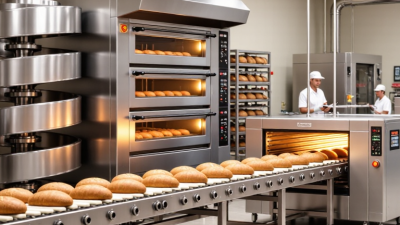
For global buyers, quality begins with documented controls, not attractive packaging. China’s strongest export candidates include frozen pastries, filled buns, cookies, and long-life cakes. Buyers should request ingredient specifications, allergen statements, shelf-life studies, and batch-level traceability. The Codex General Principles of Food Hygiene recommends preventive controls based on HACCP. A credible factory should show how it controls flour, eggs, dairy, fillings, water, and finished products.

Certifications add useful evidence, but they are not automatic proof of quality. Check the certificate scope, site address, expiry date, and audit status. ISO 22000 demonstrates a food safety management system. HACCP records show practical hazard control. Accredited laboratory reports should cover pathogens, allergens, pesticide residues, heavy metals, and relevant additives. The World Health Organization estimates that contaminated food causes about 600 million illnesses and 420,000 deaths annually. That figure makes supplier verification essential, even for low-risk biscuits.

Packaging deserves equal attention. Ask for migration testing, seal-strength results, and transport simulations for humid or hot routes. The 2024 UNEP Food Waste Index estimated 1.05 billion tonnes of food were wasted in 2022. Better shelf-life validation can reduce avoidable losses. Still, documents can be incomplete. I would inspect production records, test retained samples, and conduct an independent pre-shipment inspection. A certificate may look reassuring. The factory floor tells more.

What Are the Best Bakery Products from China for Global Buyers?

Quality Standards, Certifications, and Food Safety Requirements

Typical commercial shelf-life ranges: Cookies, crackers, and frozen pastries generally offer the longest logistics windows. Packaged cakes and mooncakes require tighter control of moisture, packaging integrity, storage temperature, and microbial safety.
Global buyers commonly review HACCP-based controls and certifications such as ISO 22000, FSSC 22000, or BRCGS, together with compliance with applicable Chinese standards, including GB 14881 for food production hygiene, GB 2760 for food additives, GB 2761 for mycotoxins, GB 2762 for contaminants, and GB 7718 for food labeling. Destination-market requirements must also be verified before shipment.

Packaging, Shelf Life, and Export Considerations

Chinese bakery products attract global buyers through familiar flavors, convenient formats, and competitive production capacity. Popular choices include filled pastries, egg rolls, sponge cakes, sesame biscuits, and seasonal pastries. Product selection should match the destination climate. A delicate pastry may perform well in a dry warehouse but soften during humid ocean transport.

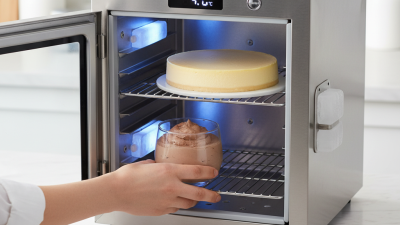
Packaging deserves careful testing. Use food-grade inner wrapping, sealed trays, and strong export cartons with corner protection. Moisture barriers help preserve crisp biscuits, while oxygen-reducing packaging can support some low-moisture products. However, packaging alone cannot solve poor storage conditions.

Shelf-life claims should come from stability tests, not guesswork. Buyers should request production dates, batch codes, ingredient lists, allergen statements, and storage instructions. A beautiful box can still fail if labels are incomplete.

Tips: Ask for pilot shipments before large orders. Check seal strength, carton damage, texture, and flavor after transport. Confirm that labels meet the destination market’s language and food requirements. Importers should also review allergen declarations, permitted additives, nutrition information, and required certificates with local authorities. Keep temperature and humidity records when products are sensitive. Shelf life is not a promise carved in stone; it can change with heat, moisture, and repeated handling. Even experienced buyers sometimes underestimate customs delays, so leave practical time before the printed best-before date.

How Global Buyers Can Select Reliable Chinese Bakery Suppliers

Selecting the best Chinese bakery products starts with the supplier, not the catalog. Global buyers may consider frozen croissants, filled pastries, biscuits, and cake bases. Product quality depends on ingredients, processing controls, and shipping discipline. Request samples from different production batches. Check texture after thawing, packaging strength, aroma, and appearance. A perfect sample means little if the second batch changes noticeably.

Reliable Chinese bakery suppliers should provide clear factory information, ingredient specifications, allergen declarations, and traceability records. Ask about production capacity during peak seasons. Confirm whether quality checks cover moisture, weight, sealing, and foreign-material control. Independent audits can add confidence, but documents still need careful verification. Check export experience in your destination market. Import rules differ, and assumptions create expensive delays. Communication matters too. Slow answers may signal weak internal coordination, though not always. I have seen buyers focus too heavily on price and regret ignoring response quality.

Tips: Compare at least three suppliers. Use the same sample requirements for each one. Request a small trial order before signing long-term agreements. Review shelf-life data under realistic storage conditions. Ask how complaints are investigated and corrected. Keep written records of every specification. Some buyers skip this step. That mistake is easy to repeat. A dependable supplier welcomes precise questions, admits limitations, and improves when evidence shows a problem.