Top Bakery Industrial Trends for 2026 What Buyers Need to Know
The bakery industrial landscape is evolving rapidly. In 2026, buyers will face a transformed market filled with opportunities and challenges. Understanding these trends is crucial for success.
Innovative technology is reshaping the bakery industrial sector. Automation and AI are enhancing production efficiency. However, these advancements come with risks, such as job displacement. Buyers must navigate these changes carefully.
Consumer preferences are shifting as well. There is a growing demand for healthier options. This trend prompts bakers to rethink their product lines. Balancing innovation with tradition will be vital. Buyers need to stay informed and adapt to this dynamic environment.
Emerging Technologies Shaping the Bakery Industry by 2026
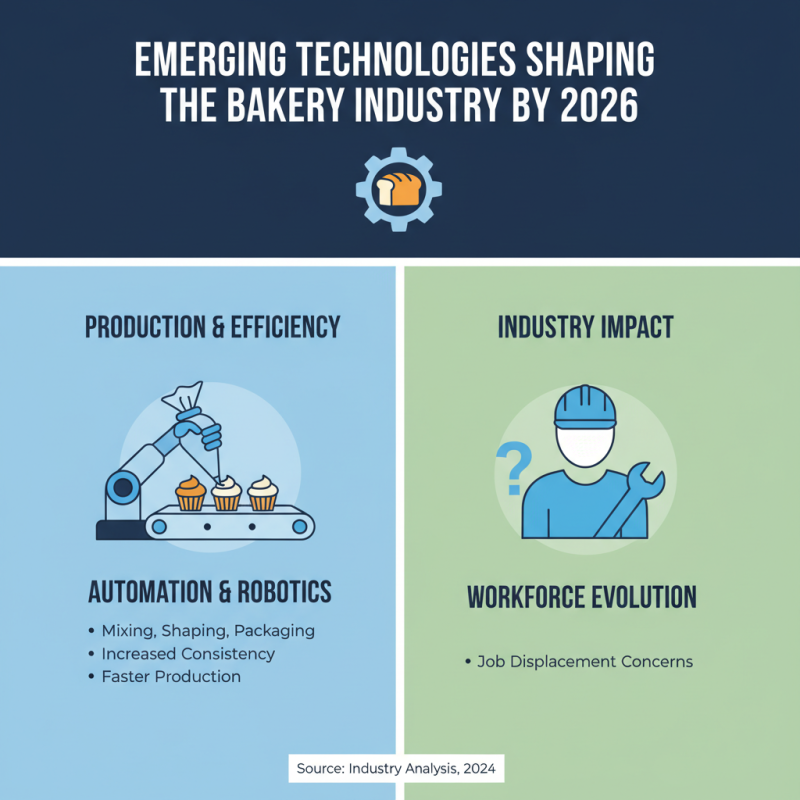
The bakery industry is undergoing significant transformations as we approach 2026. Emerging technologies greatly influence production and consumer trends. Automation is becoming mainstream. Many bakeries now use robots for mixing, shaping, and packaging products. This technology ensures consistency and speeds up production. However, it also raises questions about job displacement.
Artificial intelligence (AI) is another key player. It helps bakeries understand consumer preferences through data analytics. This information allows businesses to tailor their offerings more effectively. Yet, some bakery owners find it challenging to adapt to AI systems. They often worry about the cost and complexity of implementation.
Sustainability is also shaping the future. Innovations in energy-efficient ovens and waste reduction strategies have become essential. Many bakeries are exploring alternative ingredients, such as plant-based options. However, some traditional bakers resist these changes, fearing customer backlash. Tech advancements can enhance efficiency, but not all bakers are ready to embrace this shift. Balancing tradition with innovation will be crucial for success in the coming years.
Sustainability Practices Transforming Bakery Production and Packaging
The bakery industry is evolving, with sustainability at its core. Many producers are adopting
eco-friendly practices in both production and packaging. These changes reflect growing consumer awareness and demand for
greener options.
Innovative packaging solutions are emerging. Biodegradable materials are on the rise.
These materials reduce environmental impact and appeal to conscious buyers. Additionally, energy-efficient baking methods
are becoming standard. Factories are exploring renewable energy sources, like solar and wind. This trend lowers operational costs
and aligns with corporate social responsibility goals.
However, challenges remain. Companies often struggle to balance cost and sustainability.
Transitioning to green practices can be expensive. Also, consumers sometimes overlook sustainability in favor of price.
Companies need to educate buyers about the benefits. This knowledge can drive sales and foster loyalty. The path to sustainability
is not perfect, but the industry is moving in the right direction.
Consumer Preferences Driving Innovation in Bakery Products
Consumer preferences are rapidly evolving, shaping the future of bakery products. Buyers must stay informed about these trends to meet customer demands. Health-conscious choices are on the rise. Consumers increasingly prefer whole grains, low-sugar options, and organic ingredients. This shift drives innovation in product formulations and packaging.
One essential tip for bakers is to adapt to these changing tastes. Experiment with alternative ingredients. Incorporate superfoods like chia seeds or quinoa. These elements can attract health-focused buyers. Another key aspect is sustainability. Eco-friendly packaging and ethical sourcing resonate well with modern consumers.
Embracing diverse diets is crucial. Gluten-free and vegan options gain popularity. However, balancing these offerings can be challenging. Bakers must ensure taste and texture meet expectations. Regular consumer feedback can guide adjustments. Reach out actively to understand preferences. Ultimately, innovation must align with genuine consumer needs for lasting success.
Market Analysis: Key Trends Influencing Bakery Buyer Decisions
As the bakery industry evolves, buyers must navigate key trends shaping their decisions. Today's consumers are increasingly health-conscious. They seek products with clear nutritional labels and organic ingredients. This shift in consumer preference demands transparency. Bakers that offer insight into their sourcing processes can gain a competitive edge.
Sustainability is another critical factor driving buyer choices. Many consumers favor bakeries that prioritize eco-friendly practices. This includes using biodegradable packaging and reducing waste in production. However, not all bakeries adopt these practices effectively. Buyers should critically assess commitments to sustainability. Is it genuine or just a marketing tactic?
Additionally, the rise of automation and smart baking technologies cannot be overlooked. While these innovations promise efficiency, they can also alienate traditional bakers. The transition may involve significant learning curves. Buyers must evaluate how these trends impact product quality and customer experience. Are the advancements enhancing or compromising the art of baking?
Top Bakery Industrial Trends for 2026
This chart illustrates the key trends influencing bakery buyer decisions as we approach 2026. The data reflects various factors that buyers prioritize when making purchasing choices in the bakery industry.
Regulatory Changes Impacting Bakery Industry Operations and Standards
The bakery industry is experiencing significant regulatory changes. These shifts can impact production, labeling, and safety standards. Buyers must stay informed to navigate these complexities effectively. Regulatory bodies are focusing more on food safety and nutritional transparency. Compliance is no longer optional; it is vital for market success.
Tips: Always review the latest regulations. Attend webinars that outline recent changes. Connecting with industry experts can provide insights that might not be publicly available. This approach can prevent costly violations.
Additionally, consumers are more conscious of ingredients. Buyers should adapt to this trend by ensuring all products are compliant with labeling laws. This is crucial for building trust and credibility. Failure to comply can lead to fines and loss of reputation. Monitoring updates from regulatory agencies regularly is essential. Not acting on this could be detrimental.
Top Bakery Industrial Trends for 2026
| Trend |
Description |
Impact on Operations |
Regulatory Change |
| Health-Conscious Products |
Increase in demand for low-calorie, gluten-free, and organic products. |
Requires reformulation of recipes and ingredient sourcing. |
New labeling laws for health claims on packaging. |
| Sustainability Practices |
Emphasis on environmentally-friendly packaging and waste reduction strategies. |
Operational adjustments towards recycling and sustainable sourcing. |
New regulations on packaging materials and waste disposal standards. |
| Automation and Technology |
Integration of AI and robotics in production processes. |
Enhanced efficiency but requires investment in training and technology. |
Compliance standards for new technology implementations. |
| E-commerce Growth |
Increase in online sales channels, emphasizing direct-to-consumer models. |
Changes in inventory management and distribution strategies. |
E-commerce regulations affecting food safety and delivery standards. |
| Innovative Flavors |
Consumer interest in unique and global flavors. |
Requires market research and potential ingredient sourcing changes. |
Regulations on flavoring agents and ingredient disclosures. |