

How to Choose Fish Collagen Peptide in 2026?
Choosing Fish Collagen Peptide in 2026 requires more than comparing prices or reading “high purity” on a package. The source matters. Wild-caught fish, responsibly farmed fish, and mixed marine sources can produce different quality profiles. Species, processing conditions, freshness, and traceability influence the final ingredient. As fish science expert Dr. J. M. Regenstein has emphasized, “The quality of a fish ingredient begins with the quality of the fish and its handling.” That principle remains highly relevant for collagen buyers.
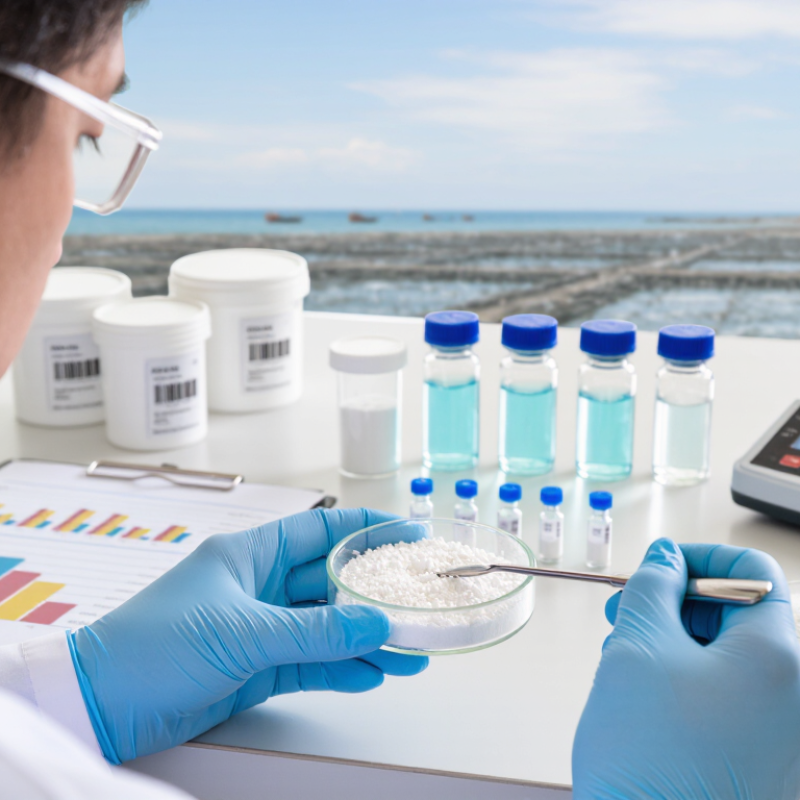
A reliable evaluation starts with the certificate of analysis. Check collagen content, peptide molecular-weight distribution, moisture, microbial limits, heavy metals, and prohibited residues. Do not accept vague claims. Ask for batch-specific results from an independent laboratory. A clean powder should dissolve consistently in cool water, show predictable color, and avoid a harsh fishy odor. Small details reveal weak processing.
Hydrolysis level also deserves careful attention. Lower molecular weight may support easier digestion, but smaller is not automatically better. The amino-acid profile, clinical evidence, dosage, and product stability still matter. I have seen buyers focus heavily on “low molecular weight” while ignoring oxidation control and packaging. That is an expensive shortcut. Sustainability claims require evidence, not ocean-themed language. Look for species identification, fishing or farming documentation, and supply-chain records. There is no perfect ingredient. A thoughtful choice balances scientific data, sensory performance, safety testing, ethical sourcing, and the intended use. This guide examines those factors closely, while acknowledging one uncomfortable truth: marketing often sounds more certain than the evidence.
What Is Fish Collagen Peptide and How Does It Work?
Fish collagen peptide is collagen protein from fish skin, scales, or bones, broken into smaller chains through enzymatic hydrolysis. These chains are called peptides. They contain amino acids such as glycine, proline, and hydroxyproline.
Think of them as small building materials. After digestion, some amino acids and peptide fragments enter the bloodstream. They may support the body’s normal collagen production, especially in skin, cartilage, and connective tissue. The process is not a direct “replacement” of lost collagen. Your body still decides where and how to use these nutrients.
Research suggests possible benefits for skin hydration, elasticity, and joint comfort. However, results differ between studies and individuals. The evidence is encouraging, not perfect. A reasonable serving may help some people, while others notice little change. That is easy to overlook.
When choosing fish collagen peptide in 2026, examine the source, hydrolysis method, peptide content, and independent testing. Clear allergen information matters, particularly for people sensitive to fish. Look for testing of heavy metals, microbes, and unwanted contaminants. Do not judge quality by sweetness, flavor, or a glossy label.
Check the actual peptide amount.
A transparent certificate of analysis is useful, though it does not prove every health claim. Products with added vitamin C may support normal collagen formation, but vitamin C does not make poor-quality collagen effective. Results also depend on diet, sleep, age, and existing health conditions. Better decisions begin with realistic expectations and careful label reading.
How to Choose Fish Collagen Peptide in 2026? - What Is Fish Collagen Peptide and How Does It Work?
| Selection Dimension | What Fish Collagen Peptide Is | Practical Data or Benchmark | Why It Matters When Choosing |
|---|---|---|---|
| Definition | Hydrolyzed collagen obtained from fish skin, scales, bones, or other marine tissues. Enzymatic hydrolysis breaks collagen into smaller peptides. | Look for a product clearly labeled fish collagen peptides or hydrolyzed fish collagen, rather than undeclared gelatin or intact collagen. | Smaller peptides are generally easier to dissolve and digest than intact collagen. The label should identify the source material and hydrolysis process. |
| Primary collagen type | Fish collagen is predominantly Type I collagen, the main structural collagen found in skin, bone, and connective tissue. | Type I collagen is commonly associated with glycine, proline, and hydroxyproline-rich peptide sequences. | Type I is relevant for products positioned around skin, bone, tendon, and ligament support, although the effect depends on the complete formulation and individual factors. |
| Peptide molecular size | The hydrolysis process produces a mixture of peptides with different molecular weights. | A commonly reported range for hydrolyzed collagen products is approximately 0.3–5 kDa, but the actual distribution varies by raw material and processing method. | A lower average molecular weight can improve dispersibility and digestion, but molecular weight alone does not prove superior clinical effectiveness. |
| Amino acid profile | Fish collagen peptides are rich in glycine, proline, and hydroxyproline, which are characteristic amino acids in collagen. | Collagen proteins commonly contain roughly one-third glycine by amino-acid residues; exact percentages vary by species, tissue, and testing method. | A complete amino-acid specification helps distinguish collagen peptides from generic protein powders. Collagen is not a complete protein because it is low in several essential amino acids, including tryptophan. |
| Hydroxyproline content | Hydroxyproline is a collagen-associated amino acid formed by post-translational modification of proline. | Fish collagen products often report hydroxyproline values in the approximate range of 8–14% of protein, depending on species and source tissue. | Hydroxyproline testing can support identity and quality assessment, but it should be interpreted together with amino-acid, purity, and microbiological results. |
| How it works after consumption | Digestive enzymes break collagen peptides into smaller peptides and amino acids. Some small collagen-derived peptides can enter circulation and may provide amino-acid building blocks or signaling activity. | Commonly studied collagen-peptide intake levels are approximately 2.5–10 g per day, depending on the intended use and study design. | Collagen peptides support dietary amino-acid availability; they do not directly replace the body’s collagen or guarantee a specific cosmetic or medical outcome. |
| Solubility and dispersibility | Properly hydrolyzed fish collagen peptide is usually soluble or readily dispersible in water. | Prefer products that provide a clear mixing instruction and demonstrate low clumping in cold or room-temperature liquids. | Good dispersibility improves convenience and helps maintain consistent daily use. Solubility can be affected by pH, temperature, particle size, and added ingredients. |
| Odor and taste control | Marine raw materials may have a fishy odor or taste if purification and deodorization are insufficient. | Choose a product with sensory specifications or a clear flavor description, especially when it will be mixed with water or beverages. | Acceptable taste and odor are practical indicators of user compliance, although sensory quality alone does not confirm peptide purity. |
| Source and traceability | The raw material may come from fish skin, scales, or bones obtained from specific marine species or fisheries. | The documentation should identify the fish species or species group, tissue source, country or region of origin, and processing location where applicable. | Traceability supports allergen management, supply-chain transparency, and verification that the material is genuinely marine-derived. |
| Heavy-metal testing | Marine-sourced ingredients require control of contaminants that may accumulate in aquatic environments. | Request a recent certificate of analysis covering lead, arsenic, cadmium, and mercury, with results meeting the applicable food-safety limits in the target market. | Heavy-metal limits differ by jurisdiction and product category. A batch-specific test is more useful than a general statement such as “tested for purity.” |
| Microbiological quality | Collagen powder is a processed food ingredient and must be protected from microbial contamination during production and storage. | Look for batch testing for total aerobic microbial count, yeast and mold, and relevant pathogens such as Salmonella and Staphylococcus aureus, as applicable. | Microbiological specifications help confirm safe handling, processing, packaging, and storage practices. |
| Allergen information | Fish collagen is derived from fish and should be treated as a fish allergen. | The label should clearly declare fish as an allergen and identify the fish source when required by local regulations. | People with fish allergies should avoid fish collagen unless cleared by a qualified healthcare professional. Cross-contact statements should also be reviewed. |
| Added ingredients | Some formulas contain sweeteners, flavors, acids, vitamins, minerals, or other active ingredients in addition to collagen peptides. | Compare the amount of actual collagen peptide per serving, not only the total powder weight. Check sugar, sodium, and unnecessary additives. | A simple formula makes it easier to assess dose, tolerability, dietary compatibility, and whether the product’s claimed benefit comes from collagen or another ingredient. |
| Vitamin C inclusion | Vitamin C contributes to normal collagen formation in the body. | If included, verify the exact vitamin C amount and form. If absent, vitamin C can be obtained from ordinary foods such as citrus fruits, berries, peppers, and leafy vegetables. | Vitamin C is biologically relevant to collagen synthesis, but adding it does not automatically make a collagen peptide product more effective than an equivalent product without it. |
| Evidence and claim quality | Human studies have investigated hydrolyzed collagen for outcomes such as skin hydration, elasticity, joint comfort, and exercise-related connective-tissue support. | Evidence varies by product, dose, duration, population, and outcome. Many studies use daily supplementation for approximately 8–24 weeks. | Prefer cautious, structure/function wording supported by human research. Avoid products promising guaranteed wrinkle removal, disease treatment, or instant joint repair. |
| Dosage transparency | The effective amount depends on the intended use, peptide composition, study protocol, and overall diet. | A transparent label should state grams of fish collagen peptides per serving and the recommended daily serving size. | Without a stated peptide amount, it is difficult to compare products or determine whether the intake is similar to amounts used in research. |
| Manufacturing and quality systems | Quality depends on raw-material control, enzymatic hydrolysis, filtration, drying, packaging, and batch release testing. | Look for evidence of a recognized food-safety system, such as HACCP or an equivalent preventive-control program, plus batch-specific certificates of analysis. | Manufacturing controls reduce the risk of contamination, adulteration, inconsistent peptide size, and inaccurate labeling. |
| Packaging and storage | Collagen peptide powder can absorb moisture and may degrade in quality when exposed to heat, humidity, or oxygen for long periods. | Prefer sealed, moisture-resistant packaging with a lot number, expiration date, storage conditions, and tamper-evident features where appropriate. | Correct storage helps preserve powder flow, taste, solubility, and microbiological quality throughout the stated shelf life. |
| Best overall selection rule | A suitable fish collagen peptide combines clearly identified marine sourcing with documented hydrolysis, safety testing, and a transparent dose. | Prioritize: clear sourcepeptide amountbatch testingallergen declarationrealistic claims | Price, flavor, and package size are secondary to identity, purity, safety, dosage transparency, and suitability for the user’s dietary and health needs. |