How to Choose the Best Bakery Proofer for Perfect Dough Rising?
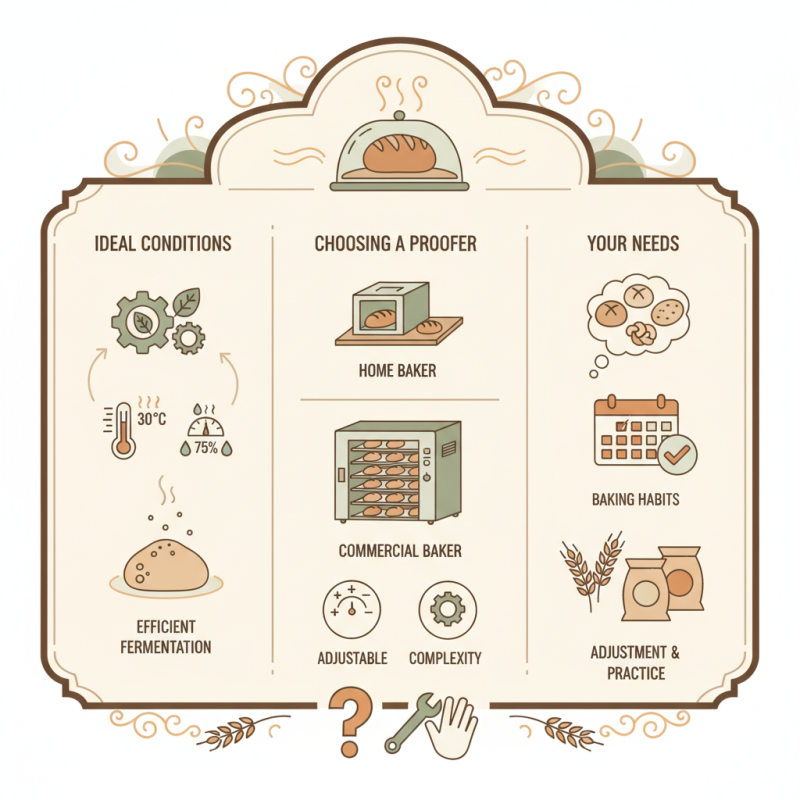
Choosing the right bakery proofer is crucial for achieving perfect dough rising. A good proofer creates an ideal environment for yeast fermentation. It maintains consistent temperature and humidity levels. This helps dough to rise evenly and efficiently, improving the texture of your baked goods.
When selecting a bakery proofer, consider size and capacity. Smaller models may suit home bakers, while commercial bakers need larger units. Features like adjustable humidity levels and temperature controls can make a significant difference. However, they can also complicate usage for beginners.
It's important to reflect on your specific needs. What works for one baker might not work for another. Analyze your baking habits and dough types. The right bakery proofer makes all the difference, but does it always deliver? Sometimes, even the best equipment needs adjustment or practice.
Understanding the Role of Bakery Proofers in Dough Preparation
In the world of baking, proofing is crucial. It is the process where dough rises and develops flavor. A bakery proofer creates the ideal environment for this transformation. The warmth and humidity help yeast thrive.
Maintaining the right temperature is key. Yeast becomes active and produces carbon dioxide. This gas helps the dough expand. However, too much heat can kill the yeast. Finding the perfect balance is vital. In practice, bakers often experiment. Sometimes the dough rises slowly. Other times, it over-ferments, leading to a dense loaf.
Humidity also plays a role. An ideal proofer does not just control heat. It must maintain moisture. This prevents the dough from drying out. Bakers may find that adjusting humidity levels improves outcomes. The journey to perfect dough can be unpredictable. Each batch offers lessons and opportunities for reflection. Adjustments may be necessary, even with the best equipment. Embracing these challenges leads to better results.
Comparison of Bakery Proofer Features
Key Features to Look for in a Quality Bakery Proofer
Choosing the right bakery proofer can greatly affect your dough’s quality. You want your dough to rise perfectly every time. Look for a proofer that maintains consistent temperature and humidity levels. Inconsistent conditions can lead to disappointment. A good proofer should allow you to adjust settings easily. If it’s complicated, you may not use it often.
Another key feature is the size. Consider the space you have available. A compact proofer might fit better in your kitchen. But if you bake large batches, a bigger model is necessary. Consider how many loaves of bread you typically make. For smaller bakeries, stackable options could be a great choice.
Finally, pay attention to the materials used. A durable proofer can withstand daily use. It should also be easy to clean. Look for removable shelves that simplify the cleaning process. Remember, the right choice can enhance your baking experience. However, it’s okay to experiment and learn from mistakes. Each proofer has its quirks. Embrace them for better results in the future.
Different Types of Bakery Proofers and Their Applications
When selecting a bakery proofer, understanding the various types available is crucial. Generally, proofers can be classified into three main categories: cabinet proofers, drawer proofers, and proofer ovens. Cabinet proofers provide ample space and maintain consistent humidity levels. They are ideal for larger batches, making them a favorite among commercial bakeries. Research indicates that cabinet proofers can enhance dough fermentation effectiveness by 30%.
Drawer proofers are compact and versatile. They often fit easily into kitchens where space is limited. These proofers are particularly useful in artisan bakeries, where experimentation with recipes is key. However, limited space can sometimes lead to uneven rising.
Proofer ovens combine baking and proofing in one unit. They provide the flexibility to control both temperature and humidity precisely. However, they can be an investment, and not all bakers may utilize their full potential. Many bakers note missing the nuances of traditional proofing methods. Findings suggest that while modern proofers are beneficial, some bakers still prefer manual techniques for specific doughs.
How to Evaluate Size and Capacity for Your Baking Needs
Choosing the right size and capacity for a bakery proofer is crucial. It should fit your workspace. Think about your baking volume. A smaller proofer may suit home bakers. But, if you're producing larger batches, a bigger model is essential.
Consider the types of bread you bake. Artisan loaves need space to expand. If you often bake multiple dough types, evaluate how much room you need. Adjusting the temperature and humidity is vital too. A compact proofer might struggle with diverse doughs.
Look at your schedule. Do you bake daily or weekly? A larger capacity could serve you better if you bake frequently. However, it can be overwhelming if it's just for occasional use. Reflect on your current and future baking needs. Make informed decisions to avoid any regrets later.
Maintaining and Cleaning Your Bakery Proofer for Longevity
Maintaining and cleaning your bakery proofer is essential for long-lasting performance and optimal dough quality. Regular upkeep can prevent the buildup of bacteria and mold, which can compromise your products. According to industry reports, 75% of bakeries that fail to maintain their equipment face frequent operational issues.
Regularly inspect your proofer for any signs of wear. Pay attention to seals and heating elements. Keeping the humidity control and temperature settings within the recommended range ensures the best dough rising performance. Always unplug the proofer before cleaning to avoid accidents. Use a mild detergent and soft cloth to clean surfaces, and ensure you dry them thoroughly to avoid rusting.
Tips: Weekly deep cleaning can extend the proofer's lifespan. Schedule this when the bakery is closed to minimize disruptions. Engage all staff in cleaning routines to foster a culture of responsibility. Additionally, keep a cleaning log to track maintenance; it's helpful to reflect on areas needing improvement. Even with consistent care, inconveniences can arise, so stay adaptable to changes in operation.
How to Choose the Best Bakery Proofer for Perfect Dough Rising? - Maintaining and Cleaning Your Bakery Proofer for Longevity
| Feature |
Importance |
Maintenance Tips |
Cleaning Frequency |
| Temperature Control |
Essential for proper dough rising |
Check settings regularly |
Weekly |
| Humidity Control |
Aids in dough fermentation |
Monitor humidity levels |
Weekly |
| Size and Capacity |
Determine based on production needs |
Ensure adequate space around proofer |
Monthly |
| Ease of Cleaning |
Maintains hygiene and efficiency |
Use non-abrasive cleaners |
After each use |
| Durability |
Long-term investment |
Inspect for wear and tear |
Bi-annually |