Best Paper Box Designs for Eco-Friendly Packaging Solutions?
The modern consumer is increasingly seeking sustainable solutions in packaging. A core element of this change is the rise of eco-friendly Paper Box designs. These boxes not only serve functional purposes but also reflect a commitment to environmental responsibility.
Innovative Paper Box designs are becoming more versatile and appealing. Their lightweight yet durable construction can significantly reduce waste. Brands that utilize these designs not only enhance their image but also cater to eco-conscious consumers. The choice of materials and printing techniques can further enrich the environmental impact of these packaging solutions.
However, even with this progress, some challenges remain. Not all Paper Box designs meet strict eco-friendly standards. Manufacturers must continually evaluate their practices. There is always room for improvement in sourcing and production processes. As we explore the best Paper Box designs, it is essential to remain critical of their environmental impacts and seek ongoing advancements.
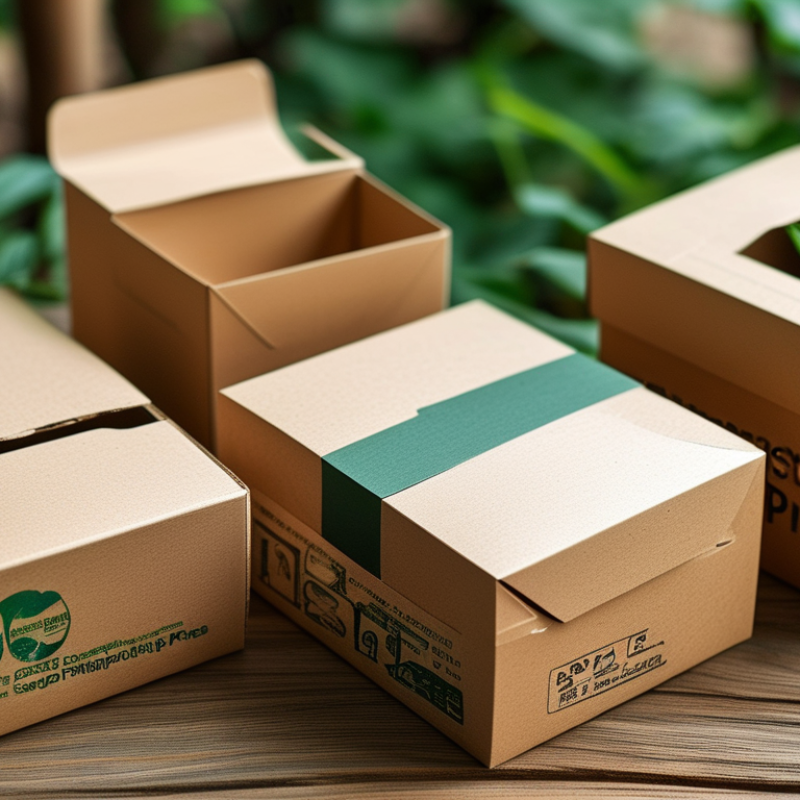
Innovative Materials for Eco-Friendly Paper Box Designs
Innovative materials are essential for eco-friendly paper box designs. As industries shift toward sustainability, various options are available. Recycled paper is a popular choice. It reduces waste and can be printed with vivid colors. Biodegradable materials, like bamboo and sugarcane, also show promise. They decompose naturally, leaving no harmful residue.
When designing packaging, consider your target audience. Understanding their values can guide material choice. Use locally sourced materials to minimize your carbon footprint. This decision not only supports local businesses but also creates a unique appearance. Customers appreciate authenticity and environmental responsibility.
**Tips:** Explore different printing methods. Water-based inks are safer for the environment. Test various sizes and shapes to reduce material waste. Lastly, reflect on your designs. Are they truly sustainable, or just marketed as such? Continuous improvement is key to real eco-friendly solutions.
Best Paper Box Designs for Eco-Friendly Packaging Solutions
Sustainable Production Processes for Paper Packaging
Sustainable production processes for paper packaging are essential in today's eco-conscious world. The journey begins with sourcing materials. Using recycled paper significantly reduces the demand for virgin fibers. This not only conserves trees but also cuts down water usage and energy consumption during production.
Once sourced, the manufacturing process can be optimized. Using renewable energy sources, such as solar or wind, minimizes the carbon footprint. Many manufacturers strive to reduce waste during production. However, there are challenges. Some processes still rely on outdated techniques that are less efficient.
Designing paper boxes with eco-friendly inks and adhesives is another critical aspect. These materials should be biodegradable and non-toxic. But not all designs are perfect. Balancing aesthetic appeal with environmental responsibility can sometimes lead to compromises. Continual reflection on these choices leads to better solutions for the future.
Creative Design Techniques for Eco-Conscious Packaging
Creative design techniques for eco-conscious packaging focus on sustainability and aesthetics. By exploring innovative materials, designers can reduce environmental impact. One popular method is using recycled paper. It provides durability while minimizing resource consumption. The texture of recycled paper adds a unique touch that enhances visual appeal.
Another technique involves minimalistic design. Simple graphics and clean lines draw attention to the product. This approach not only reduces ink usage but also conveys a strong message about sustainability. Choosing biodegradable inks can further elevate the eco-friendliness of the packaging. While creating a vibrant look, designers must balance environmental responsibility with creativity.
However, there are challenges in designing eco-friendly packaging. Some materials may not perform well under specific conditions. It's crucial to test prototypes to ensure they meet functional standards. Designers must also stay aware of evolving regulations surrounding eco-friendly practices. Emphasizing creativity while adhering to these guidelines is essential for effective packaging solutions.
Case Studies of Successful Eco-Friendly Paper Box Brands
Eco-friendly paper box designs are gaining traction in various industries. Many brands are opting for sustainable materials that reduce environmental impact. These boxes are often made from recycled paper and are recyclable themselves, making them a perfect choice for eco-conscious consumers. Case studies reveal that brands implementing eco-friendly packaging see customer satisfaction rise, as consumers value sustainability.
One notable example is a small company that transitioned from plastic to biodegradable paper boxes. Initially, they faced challenges with durability and cost. However, they learned that innovative design and sourcing local materials helped overcome these issues. The result was packaging that not only protected products but also appealed to eco-aware buyers. Another case highlights a brand that used vibrant prints on recycled paper. Their unique designs stood out on shelves and attracted attention while promoting their commitment to sustainability.
Despite positive outcomes, some brands struggle with the perception that eco-friendly options are less versatile. They must educate consumers about the benefits and aesthetics of these materials. Addressing misconceptions is crucial for broader acceptance. Brands must continuously evaluate their packaging solutions. Adapting to consumer feedback and ongoing research can help companies refine their eco-friendly approaches.
The Impact of Eco-Friendly Packaging on Consumer Behavior
Eco-friendly packaging has a significant impact on consumer behavior. Many shoppers nowadays prefer brands that prioritize sustainability. They seek products that come in biodegradable or recyclable materials. The design of paper boxes can enhance this appeal. Eye-catching designs that reflect nature can draw attention. This can create a positive impression and encourage purchases.
Moreover, consumers are becoming more conscious of their choices. They often feel a duty to support eco-friendly practices. However, not all eco-packaging is effective. Some designs may look good but fail in functionality. A poor seal can lead to damage during shipping. This can lead to a negative experience for the consumer.
The challenge lies in balancing aesthetics with practicality. Brands need to ensure their packaging protects the product while being eco-friendly. It’s a delicate balance to strike. Transparency is also crucial; consumers value knowing the source and materials. Inadequate information can lead to mistrust. Brands must reflect on how they communicate these values to their customers.