Top 10 Benefits of Using an Animal Feed Extrusion Machine?
The animal feed industry plays a crucial role in global agriculture, contributing significantly to food security. According to a recent report by the Food and Agriculture Organization (FAO), animal feed production is projected to reach over 1 billion tons by 2025. This highlights the increasing demand for efficient and effective feed production methods. One such method is the utilization of an Animal Feed Extrusion Machine.
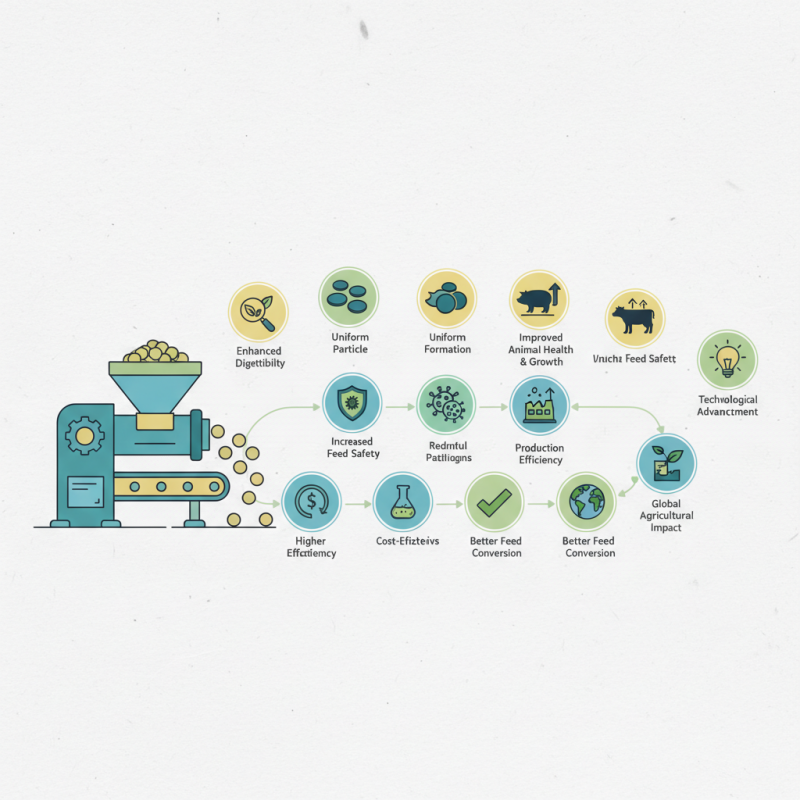
These machines improve feed quality by enhancing nutrient digestibility. They also promote the formation of more uniform particles. This uniformity helps in maximizing animal health and growth rates. Moreover, extruding feed can reduce the presence of harmful pathogens, which is crucial for safe animal consumption. In this rapidly developing sector, choosing the right machinery is vital. Improper selection leads to inefficiencies that can impact overall productivity.
Despite the advantages, not all manufacturers understand the full potential of an Animal Feed Extrusion Machine. Many may face challenges such as inadequate training or poor maintenance practices. Addressing these areas is essential for optimizing machine performance. Proper implementation and continuous learning will ensure that producers reap the full benefits of extrusion technology.
Advantages of Enhanced Nutritional Value through Extrusion
Extrusion technology offers significant advantages for enhancing the nutritional value of animal feed. Through this process, feed ingredients undergo extreme heat and pressure. This improves digestibility, making nutrients more bioavailable. Livestock can absorb more vitamins and minerals, leading to better growth and health outcomes.
One key benefit of extrusion is the reduction of anti-nutritional factors. These can hinder nutrient absorption and affect animal well-being. By using high temperatures during extrusion, harmful compounds are neutralized. This ensures that the feed is not only safer but also more nutritious. Livestock tend to thrive on such feed, resulting in improved weight gain and productivity.
Tip: Monitor the extrusion conditions closely. Proper temperature and pressure must be maintained. Too high or low can reduce feed quality.
The enhanced flavors developed during extrusion also encourage animals to consume more feed. This can lead to more consistent growth rates. Nutrition can be customized through ingredient selection, leading to tailored feeds addressing specific animal needs. This flexibility supports the overall health of livestock.
Tip: Regularly assess the nutritional content of the feed. This ensures it meets evolving dietary needs and standards.
Improvement in Feed Texture and Palatability for Animals
The extrusion process in animal feed production greatly enhances texture and palatability. Using an extrusion machine allows for the precise control of temperature and moisture during processing. This helps to create a more appealing feed for animals. With improved texture, animals can chew their food better, aiding digestion.
Animals respond positively to the new textures produced by extrusion. Many farmers notice a marked increase in feed intake. When feed is more palatable, animals are likely to consume it in larger quantities. This not only supports their health but also boosts growth rates. Moreover, extruded feed can incorporate a variety of ingredients. This versatility ensures nutritional balance while appealing to the taste preferences of different species.
As with any technology, challenges can arise. It may take time to find the right formulation for optimal results. Some animal species might prefer specific textures over others. Observing animal behavior can offer insights into their choices. Finding the right balance in texture and flavor is key. Continuous adjustment and feedback help in creating ideal feed products that foster animal well-being.
Increase in Production Efficiency and Cost-Effectiveness
Extrusion technology revolutionizes the animal feed industry. It enhances production efficiency significantly. For instance, a report by Research and Markets indicates that using extrusion can increase output by up to 30%. This streamlined process benefits manufacturers, reducing labor costs and time.
Cost-effectiveness comes from reduced ingredient waste. Extrusion machines improve ingredient utilization by creating uniform particle sizes. This consistency can lead to better nutrient absorption by animals. Studies show that optimized feed can increase animal growth rates by more than 15%. Yet, not all producers have adopted this technology, leading to missed opportunities for efficiency.
Despite these benefits, some challenges exist. The initial investment in an extrusion machine can be high. Smaller farms may struggle to afford this equipment. Additionally, proper training is essential for operators. Without skilled personnel, the machine's potential may not be realized. Therefore, while efficiency and cost-effectiveness are clear advantages, important considerations can impact overall success.
Top 10 Benefits of Using an Animal Feed Extrusion Machine
Reduction of Anti-Nutritional Factors in Animal Feed
The reduction of anti-nutritional factors in animal feed is crucial for improving livestock health. Anti-nutritional factors, such as phytates and tannins, can inhibit nutrient absorption. This can lead to lower growth rates and poorer overall health in animals. By using an animal feed extrusion machine, producers enhance feed quality. The high temperatures and pressures involved in extrusion help to deactivate these harmful substances effectively.
Extrusion can also improve the digestibility of nutrients. This process breaks down complex carbohydrates and proteins, making them more accessible. Livestock can absorb these essential nutrients better, leading to improved growth and production. Farmers often see better feed conversion rates when utilizing processed feed.
However, the challenge lies in balancing the extrusion variables. Over-processing can destroy viable nutrients, while under-processing may leave harmful factors intact.
Each feed formulation varies, and optimal results depend on specific ingredients. This calls for precise calibration and experience. Feed producers must continually assess the effectiveness of their formulations. Regular adjustments ensure that livestock receive the best nutrition possible while minimizing anti-nutritional compounds. This ongoing process can present challenges, but the results are worth the effort. Healthy livestock lead to improved productivity and profitability.
Flexibility in Formulating Custom Feed Recipes for Diverse Livestock
The flexibility to formulate custom feed recipes is a significant advantage offered by animal feed extrusion machines. This capability allows farmers to tailor feed according to the specific nutritional needs of various livestock. According to industry reports, precise formulations can enhance feed efficiency by 15% to 30%, leading to better growth rates and health among animals.
Custom feed formulations can also accommodate changing market demands. For instance, adjusting protein levels or incorporating new ingredients can help producers respond swiftly to trends. A recent study indicated that custom-tailored diets improve livestock performance and reduce costs by optimizing feed conversion ratios. This adaptability is crucial in a fluctuating agricultural landscape.
Tip: Experiment with different ingredient ratios. Small changes can lead to substantial improvements in feed effectiveness.
However, creating the ideal mix requires ongoing evaluation. Not all ingredients perform equally across different animal species. Regularly reviewing performance data helps identify which combinations yield the best results. It’s kind of a balancing act – too much of one nutrient could lead to waste or health issues.
Tip: Keep records of different feed recipes. This practice helps to track successes and failures, refining future formulations.
By leveraging extrusion technology, producers can create diverse feed options that meet specific livestock needs while adapting to market changes. This not only supports animal health but also ensures sustainability in feed production practices.
Top 10 Benefits of Using an Animal Feed Extrusion Machine
| Benefit | Description | Impact on Livestock |
| Custom Formulations | Allows for adjustments in nutrient profiles to meet specific dietary needs. | Increases health and productivity of livestock. |
| Consistent Quality | Ensures uniform texture and particle size for better digestion. | Promotes optimal feed intake. |
| Enhanced Shelf Life | Extrusion process reduces microbial load and spoilage. | Improves feed conservation and reduces waste. |
| Improved Nutrient Absorption | Increases the digestibility of feed ingredients. | Enhances overall animal growth rates. |
| Reduced Feed Waste | Optimizes ingredient use and minimizes leftovers. | Economically beneficial for farmers. |
| Increased Palatability | Extrusion improves feed taste and aroma. | Encourages better intake levels. |
| Versatility | Can be used for various livestock and feed types. | Supports diverse farming operations. |
| Energy Efficiency | Optimizes the extrusion process to reduce energy costs. | Lower operational costs for producers. |
| Sustainability | Utilizes by-products and wastes effectively. | Contributes to eco-friendly practices. |
| User-Friendly Operation | Designed for ease of use and maintenance. | Saves time and reduces labor costs. |