Essential Tips for Choosing Spring Loaded Index Plunger?
Choosing the right Spring Loaded Index Plunger is crucial for optimal performance in various applications. According to industry reports, these plungers are widely used in automotive, aerospace, and manufacturing sectors. Their design allows for quick engagement and precise positioning, which increases the efficiency of machinery and tools.
Understanding the specifications of Spring Loaded Index Plungers is essential. Manufacturers offer a range of sizes, materials, and spring forces. A 2021 survey revealed that 70% of professionals prioritize durability and reliability in their selection process. However, not all plungers meet these standards, leading to potential operational failures.
While some users may overlook detailed specifications, this could be a costly mistake. Test performance under specific conditions to ensure compatibility. Real-world scenarios often reveal limitations not apparent in catalogs. Evaluating each option carefully can lead to better choices that enhance productivity and reduce downtime.
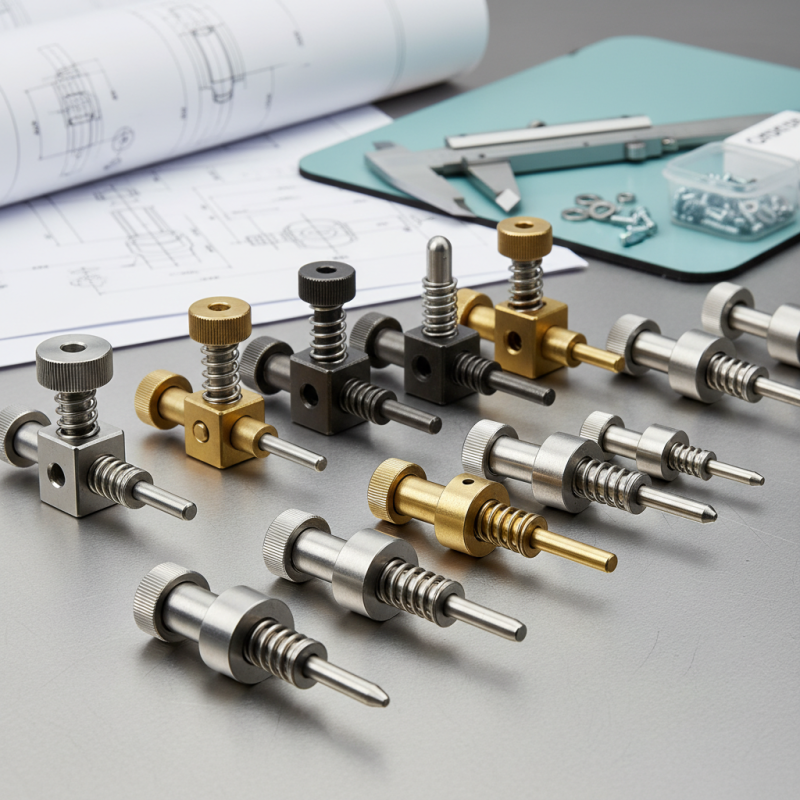
Understanding Spring Loaded Index Plungers and Their Applications
Spring-loaded index plungers are essential components in many mechanical applications. They provide a quick and reliable way to locate and secure parts. Knowing their features and applications is vital for making informed decisions. These plungers use a spring mechanism to engage and disengage easily. This adds convenience and flexibility to various designs.
In industrial settings, spring-loaded index plungers are commonly found in jigs or fixtures. They allow for quick adjustments during machining processes. Their compact design makes them suitable for tight spaces. Moreover, their ability to hold positions reliably is critical in high-precision engineering. Understanding load ratings and material options is key. Users should evaluate the demands of their specific application.
Choosing the right plunger involves careful consideration. Factors like size, stroke length, and materials can influence functionality. Users often overlook how environmental factors, like humidity and temperature, can affect performance. Regular maintenance is also essential to ensure longevity. There may be a learning curve when integrating these components into a design. Finding the ideal balance between cost and quality requires reflection.
Spring Loaded Index Plungers Usage in Various Industries
Key Factors to Consider When Selecting Spring Loaded Index Plungers
When selecting spring-loaded index plungers, understanding the key factors is essential. The type of application dictates the plunger's specifications. Pressure tolerance, material compatibility, and the dimension of the plunger play significant roles. For instance, according to industry data, the failure rate of plungers can reach 15% when incorrectly matched with their applications. This emphasizes the importance of choosing the right specifications.
Consider the material used for the plunger and its spring. Stainless steel is often chosen for its corrosion resistance, but it may not always be the best option. For example, in environments with high temperatures, alternate materials may prove more effective. Material selection can enhance longevity and reliability.
Tip: Always review the plunger's load rating. Ensuring it aligns with your specific needs can prevent premature failures. Assessing the operating environment is equally vital. Lubrication and exposure to certain chemicals can drastically affect performance.
Finally, look for certifications and standards. Trustworthy manufacturers often adhere to
strict quality guidelines. This can reflect the reliability of their products.
Tip: Don’t overlook user reviews. Real-world experiences can provide insights you might not find in datasheets. Gathering information from multiple sources can aid in making an informed choice.
Material Choices for Spring Loaded Index Plungers: Pros and Cons
When selecting spring loaded index plungers, material choices play a crucial role. Steel, stainless steel, and plastic are common options. Each material has distinct pros and cons, impacting performance and longevity.
Steel plungers are robust and offer high tensile strength, making them suitable for heavy-duty applications. However, they can corrode if exposed to moisture. According to a recent industry report, nearly 30% of plunger failures relate to material degradation from corrosion. Utilizing a coating or choosing stainless steel mitigates this risk, enhancing durability.
Stainless steel is resistant to rust and heat, particularly beneficial in harsh environments. However, it often comes with a higher price tag. Plastic plungers are lightweight and resistant to chemicals, but they might not withstand heavy loads. They can wear out faster under continuous stress, as highlighted in research showing a 25% shorter lifespan compared to their metal counterparts.
Choosing the right material involves assessing your specific application needs. Consider the weight, environment, and required lifespan. Make a checklist of these factors when making a decision. Use operational data to guide your choice, ensuring optimal performance. Evaluate your options carefully; small errors can lead to significant setbacks in your projects.
Sizing and Load Capacity: How to Choose the Right Specifications
When selecting a spring-loaded index plunger, sizing and load capacity are crucial. Ensuring the right specifications is vital for functionality. A recent report indicates that incorrect sizing can lead to damage and inconsistent performance, affecting overall efficiency.
It’s essential to consider the diameter and stroke length when choosing. These elements directly impact the plunger's load capacity. For instance, a plunger with a 10mm diameter can typically handle loads up to 150N. Understanding the specific requirements of your application will help you select a suitable plunger.
Tip: Always check the manufacturer's load limits. Overloading a plunger can lead to premature failure. Regular testing and evaluation can provide insights into its performance. Also, keep in mind the environmental factors, such as temperature and humidity, which can affect the plunger's effectiveness. Proper maintenance and monitoring can enhance its lifespan and reliability.
Essential Tips for Choosing Spring Loaded Index Plunger
| Plunger Type | Size (Diameter) | Load Capacity (N) | Stroke Length (mm) | Material |
| Standard Index Plunger | 10 mm | 500 N | 15 mm | Steel |
| Heavy-Duty Index Plunger | 12 mm | 800 N | 20 mm | Stainless Steel |
| Mini Index Plunger | 8 mm | 300 N | 10 mm | Aluminum |
| Locking Index Plunger | 14 mm | 600 N | 18 mm | Brass |
Maintenance Tips for Longevity of Spring Loaded Index Plungers
Maintaining spring loaded index plungers is crucial for their longevity. Regular inspections can prevent wear and tear. A simple check for rust or dirt can make a difference. If you notice any obstruction, clean the plunger immediately. This will enhance its performance and lifespan.
Lubrication is key. Use appropriate lubricants to reduce friction. A well-lubricated plunger operates more smoothly. However, avoid over-lubricating, as this can attract dust and debris. Balance is essential for optimal function.
Record keeping is another effective strategy. Documenting maintenance schedules can identify patterns of wear and help anticipate replacements. Knowing when to replace a plunger before it fails is invaluable. Regular attention to these details ensures efficient operation and can save costs in the long run.