Top Bakery Machines Every Baker Should Know About?
In the world of baking, having the right tools can make all the difference. Bakery machines play a crucial role in streamlining processes and enhancing creativity. Whether you’re a home baker or a professional, understanding these tools is essential.
From mixers that knead dough to ovens that provide the perfect temperature, each machine contributes uniquely. Imagine the stress of mixing dough by hand versus using a reliable mixer. The latter saves time and energy. Yet, some bakers still resist investing in these machines. They worry about costs or losing the hands-on experience.
Investing in quality bakery machines can elevate your baking. It’s about balancing efficiency with personal touch. Remember, even the best machines require some practice. Learning how to optimize their use is key. Embrace the technology, but remain open to learning and improving your skills. Every baker should explore the options available.
Essential Baking Equipment: An Overview of Key Machines for Bakers
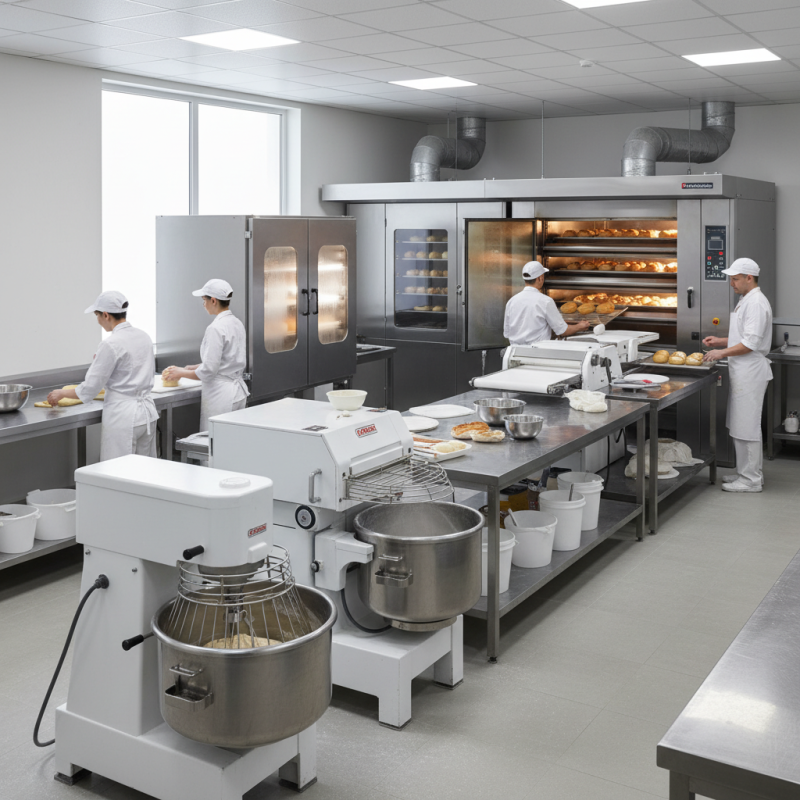
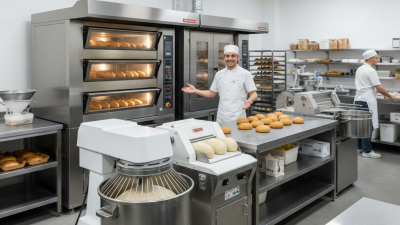
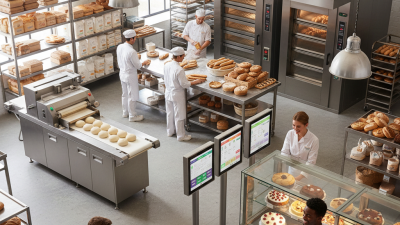
Baking is both an art and a science. To create delicious treats, bakers need the right tools. The essential machines help streamline the process and improve results.
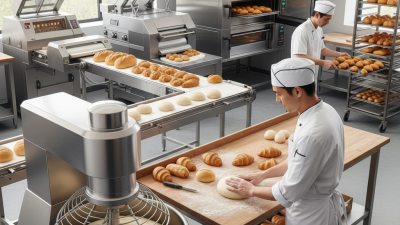
A stand mixer is a staple in many kitchens. It mixes dough efficiently and can handle heavy loads. But sometimes, over-mixing can occur. Knowing when to stop is crucial.
Another vital machine is the oven. A good oven provides even heat distribution.
Convection ovens are popular for their ability to circulate air. However, they can dry out baked goods if not monitored closely.
Every baker should also consider a dough sheeter. It saves time when rolling out large batches of dough. Yet, it requires skill to use properly without tearing.
Additionally, a reliable proofing cabinet is beneficial. It creates the ideal environment for yeast to rise. However, controlling humidity levels can be tricky. Not every baker has room for these machines. But investing in a few key pieces can enhance baking quality.
Balancing functionality and space is always a consideration in a busy kitchen.
Mixers: Understanding Different Types and Their Impact on Dough Quality
Mixers play a crucial role in baking. They affect dough quality significantly. Understanding the different types of mixers can help bakers make informed choices.
A stand mixer is popular for its versatility. It allows for consistent mixing, which is essential for even dough texture. It’s great for cookie doughs and bread. However, it needs proper adjustments to avoid over-mixing.
On the other hand, handheld mixers are portable and easy to store. They are suitable for smaller batches. Yet, they require more effort from the baker. Dough can be inconsistent if not monitored closely.
The choice of mixer impacts the final result. Bakers must reflect on their specific needs and output. A quality mixer can streamline the baking process. But without proper technique, even a good mixer may not yield the desired dough.
Ovens: The Role of Temperature Control in Baking Efficiency and Quality
Temperature control in ovens is crucial for baking. It determines the texture and flavor of the final product. When heat is uneven, some areas may burn while others remain raw. This inconsistency can frustrate bakers who strive for perfection. A temperature variation of just a few degrees can change a cake from fluffy to dense.
Monitoring the oven temperature requires attention. Over time, ovens can lose calibration, leading to unpredictable results. Regular checks can help catch these issues early. Using a thermometer inside the oven can provide accurate readings. Many bakers overlook this simple step, assuming their ovens are always accurate.
Proper temperature management also affects baking times. If the oven runs hot, you might end up with a perfectly baked loaf in a shorter time. Conversely, cold spots may leave cakes soggy. Understanding your oven's quirks is essential. Experiment with different recipes and pay attention to the results. It’s a learning process that refines your baking skills.
Top Bakery Machines Every Baker Should Know About
| Machine Type |
Temperature Control Feature |
Impact on Baking |
| Convection Oven |
Uniform heat distribution with adjustable fan settings |
Enhances even baking, reducing hot spots |
| Deck Oven |
Independent top and bottom heat control |
Improves crust quality and moisture retention |
| Rotary Oven |
Programmable temperature settings and timers |
Consistent baking results regardless of load |
| Proofing Cabinet |
Maintains optimal humidity and temperature |
Promotes yeast activity and dough rise |
| Baking Stone |
Retains and distributes heat for consistent temperature |
Enhances crust texture and flavor in bread |
Proofers: Importance of Controlled Fermentation in Bread Production
Proofers play a crucial role in bread production. Controlled fermentation enhances dough quality. In fact, research from baking industry reports shows that optimal fermentation time can improve bread volume by up to 30%. This increase is essential for achieving that perfect rise.
Temperature and humidity are key factors in this process. A proofer maintains these conditions, ensuring the dough ferments uniformly. If fermentation is not monitored, results can be inconsistent. A study found that 22% of bakers reported issues with dough over-proofing or under-proofing. Both problems lead to inferior product quality.
Moreover, proper fermentation can impact flavor. A long, slow fermentation can produce complex flavors and improve texture. However, many bakers overlook the importance of this step. They often rush the process, sacrificing quality. Investing in a reliable proofer can seem daunting, yet it's a game-changer for producing superior bread. The right equipment is crucial for those who care about their craft.
Slicers and Packaging: Maximizing Product Freshness and Shelf Life
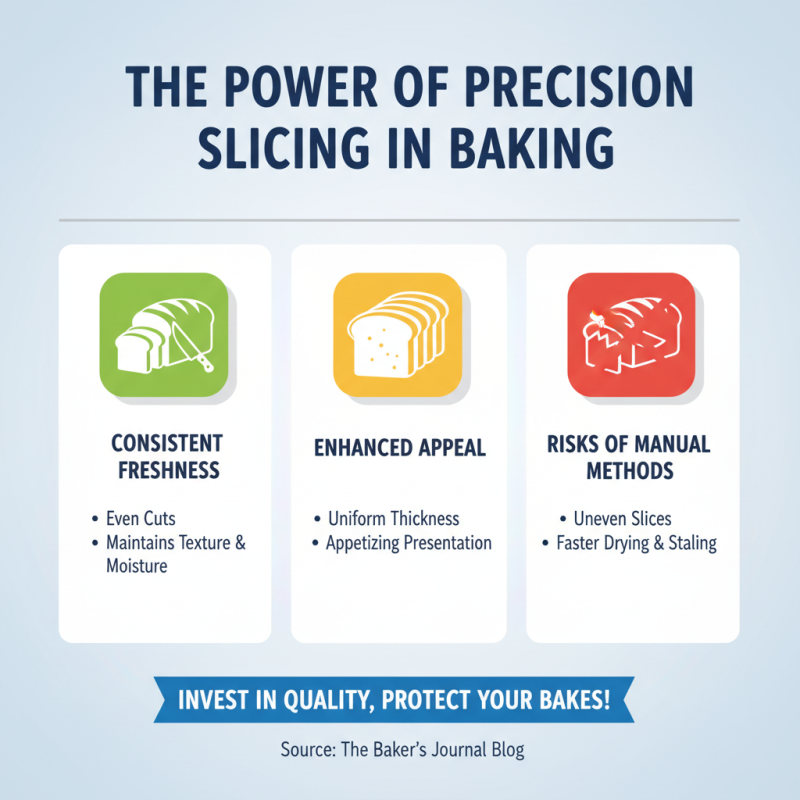
In the realm of baking, protecting freshness is crucial. Slicers play a pivotal role in this process. They ensure even cuts, helping maintain the texture of breads and pastries. Consistent thickness can prevent drying out. A well-sliced loaf looks more appealing too. But, not all bakers invest in high-quality slicers. Some rely on manual methods, leading to uneven results.
Packaging is equally important for shelf life. Using vacuum-sealed bags can lock in freshness. They help prevent stale air from ruining baked goods. Yet, many bakers underestimate the impact of proper packaging. A simple, well-sealed package can make a huge difference. Inadequate packaging often leads to complaints. This can tarnish a baker's reputation.
Bakers should explore innovative packaging options. Materials that are breathable yet protective could be game-changers. Experimenting with different methods could reveal better results. It's not just about taste; appearance matters too. Investing time in both slicing and packaging will pay off.