Why is Commercial Baking Essential for Food Industry Success?
In the food industry, commercial baking plays a crucial role in providing quality products. It ensures consistency in taste and texture. From bread to pastries, baked goods are beloved worldwide. They create a strong connection with consumers. Yet, not all commercial baking achieves the same results. Some brands struggle with quality control and ingredient sourcing.
Bakers face unique challenges daily. Maintaining freshness is vital. Consumer preferences shift rapidly, and staying ahead is essential. Finding the right balance can be tough. Many bakers need to improve efficiency without sacrificing flavor. Commercial baking also requires knowledgeable staff. Skilled bakers can make a difference. However, training is often overlooked in some establishments.
Innovation is key in commercial baking. Adapting to trends is necessary for success. Yet, some businesses resist change. This reluctance can hinder growth. The need for evolution is constant in this industry. By embracing new ideas, bakers can thrive. Exploring the essential nature of commercial baking helps shape a successful food industry.
The Role of Commercial Baking in Meeting Increasing Food Demand
The role of commercial baking in the food industry is pivotal as demand for baked goods continues to rise. According to a report by the American Bakers Association, the commercial baking sector has grown by 3.3% annually over the past five years. This sector must scale up production to accommodate consumers’ evolving tastes. Many customers expect fresh products with various flavors and nutritional options. Meeting these expectations isn't simple.
As baking demands surge, operational efficiency becomes crucial. Many bakeries struggle with outdated equipment and high energy costs. Reports suggest that up to 30% of a bakery's expenses are linked to energy consumption. Automating processes can help, yet many businesses find implementation challenging. This creates a dilemma—how to keep up with growing demand while managing costs?
Consumer preferences also shift rapidly. Trends such as gluten-free or low-carb products saw a 10% growth last year. Commercial bakers must innovate constantly, which can lead to waste if predictions miss the mark. Numerous bakeries find themselves overproducing goods that don't sell. Balancing production capacity with real-time market trends remains a significant challenge in this dynamic industry.
Economic Impact of the Baking Industry on Global Food Markets
The baking industry plays a crucial role in the global food market. It generates substantial revenue and employs millions of people worldwide. In addition, baked goods are staples in many diets. Fresh bread, pastries, and cookies are enjoyed across cultures. This demand drives economic growth in both developed and emerging markets.
Yet, challenges persist. The reliance on consistent quality ingredients can lead to price fluctuations. Baking requires precision, and even minor miscalculations can affect the final product. Skilled labor shortages have also become a concern. These factors can impact profitability within the sector.
Despite these issues, the baking industry continues to innovate. Advances in technology boost production efficiency. For instance, automated systems reduce human error. Sustainable practices are gaining traction as well. They may improve both profit margins and environmental impact. Businesses must adapt to changes and reassess their strategies to thrive in this competitive landscape.
Why is Commercial Baking Essential for Food Industry Success? - Economic Impact of the Baking Industry on Global Food Markets
| Dimension |
Data |
| Global Market Size (2023) |
$450 Billion |
| Annual Growth Rate (CAGR) |
3.5% |
| Percentage of Food Products |
15% |
| Employment Opportunities |
2.5 Million Jobs |
| Export Value |
$25 Billion |
| Sustainability Initiatives |
70% of Major Bakers |
Technological Innovations Driving Efficiency in Commercial Baking
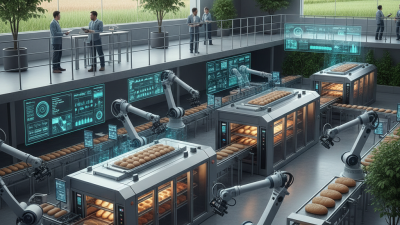
Technological innovations are reshaping the commercial baking industry. Automation plays a key role in improving production efficiency. Mixing, proofing, and baking can now be performed with precision. This minimizes human errors and speeds up processes. Digital monitoring systems ensure consistent quality. Sensors track temperature and humidity levels to maintain optimal conditions.
Another interesting development is the use of advanced ovens. These machines offer better heat distribution. This results in perfectly baked goods every time. However, not all bakeries have adopted these innovations. Some struggle with the initial costs. The balance between tradition and technology remains a challenge for many.
Moreover, ingredient handling is evolving too. Automated systems can measure and mix with greater accuracy. Yet, relying too much on technology could lead to a loss of artisanal skills. Bakers must find ways to integrate new tech without sacrificing craftsmanship. This tension between modern methods and age-old techniques requires thoughtful consideration.
Technological Innovations in Commercial Baking Efficiency
Quality Control and Food Safety Standards in Commercial Baking
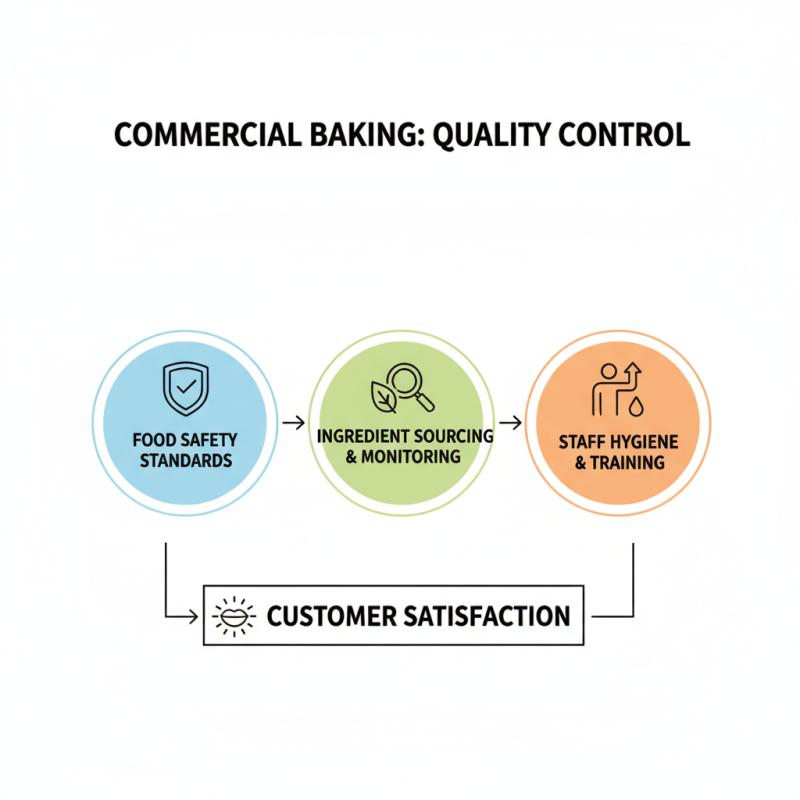
Commercial baking plays a vital role in the food industry. Quality control is paramount to ensure customer satisfaction. To achieve this, strict adherence to food safety standards must be prioritized. Monitoring ingredient sourcing, for example, can significantly reduce contamination risks. Regular training for staff on hygiene practices is also essential.
Moreover, baking processes must be consistently evaluated. Temperature controls and baking times need precise monitoring. Any deviation can affect the final product. This requires constant communication among the baking team. Sometimes, mistakes are made, like incorrect measurements. These errors remind us to stay vigilant and maintain high standards.
Food safety compliance is not just a checklist; it requires ongoing commitment. Customers depend on safe products. When failures occur, such as undercooked items, the entire operation faces scrutiny. It’s critical for businesses to be proactive in identifying potential hazards. Continuous improvement should be a goal for all commercial bakers. Always learning leads to better practices and safer products.
Commercial Baking's Contribution to Culinary Trends and Consumer Preferences
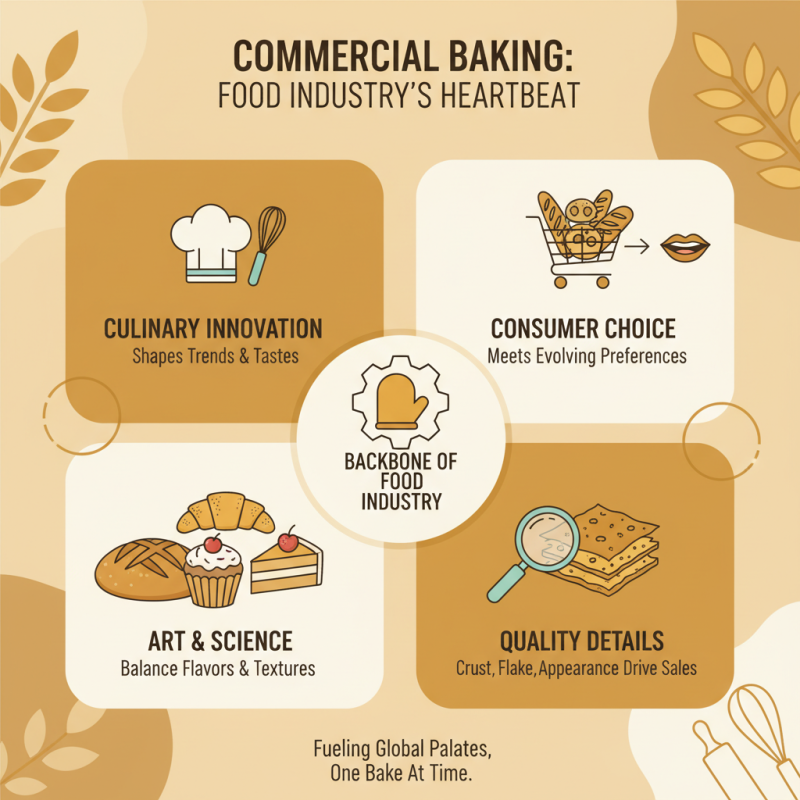
Commercial baking is a backbone of the food industry. It shapes culinary trends and meets evolving consumer preferences. With each product, bakers balance flavors and textures. The art of baking creates an array of bread, pastries, and desserts that captivate taste buds. The beauty lies in the details—the crust on a sourdough, the flakiness of a croissant. These elements are not merely for show; they influence buying decisions.
Consumers seek variety and innovation. They crave unique flavors and healthier options. This dynamic pushes bakers to experiment. Incorporating whole grains, exotic spices, or plant-based ingredients is now common. Yet, the industry faces challenges. Trends shift rapidly, and not every attempt succeeds. Some innovations may not resonate well with traditional customers. This creates tension between innovation and maintaining beloved classics.
Bakers must be aware of these trends. Listening to customer feedback is essential. Flexibility can make or break a product. A failed recipe can teach valuable lessons. Baking is more than mixing ingredients; it's about understanding consumer desires. Finding the balance between fast-paced trends and timeless favorites can be complex. The journey is fraught with trial and error. Still, it's this passion for baking that keeps the food industry flourishing.