Best Piston Filler Machines for Global Buyers in 2026?
In the competitive world of packaging machinery, 2026 promises to bring innovation and efficiency. Among various options, the Piston Filler stands out for its precision and reliability. This machine is crucial for industries requiring consistent volume control. Food and beverage sectors frequently rely on piston fillers to ensure accuracy in their filling processes.
The best piston filler machines will address diverse buyer needs globally. Selecting the right model involves understanding specific requirements, such as viscosity and container types. While many machines boast advanced features, a buyer must evaluate whether these features translate to real-world efficiency. Each brand offers solutions tailored to different applications.
However, not every piston filler will suit all operations. Buyers often face challenges in aligning machine capabilities with their production goals. Evaluating past user experiences adds another layer to this decision-making process. Becoming familiar with both the benefits and the limitations of each option is essential for a successful purchase. As we explore the best piston fillers, we focus on reliable choices that meet diverse production demands.
Overview of Piston Filler Machines and Their Applications
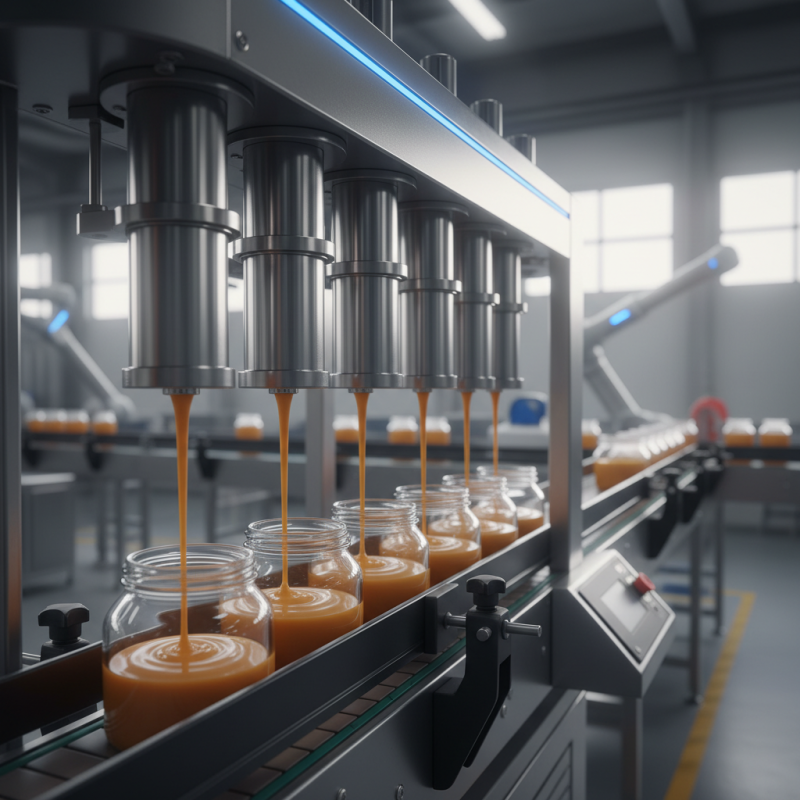
Piston filler machines are vital in various industries, particularly in food, beverage, and cosmetic sectors. They function by drawing product into a cylinder and dispensing it accurately, ensuring minimal waste. According to industry reports, the global piston filling machine market is projected to grow significantly, reaching over $900 million by 2026. This trend indicates rising demand for efficient and reliable filling solutions.
Applications of these machines vary widely. They handle liquids, creams, and pastes, making them versatile. Their precision is crucial; errors in filling can lead to significant financial losses. Many manufacturers report that investing in high-quality piston fillers has improved their production efficiency by up to 30%. However, challenges remain. Not all machines are capable of handling multiple viscosities, which can limit their use in diverse operations.
The technical complexity of these machines presents a learning curve for operators. This complexity may also lead to increased maintenance needs. Facilities must weigh the cost of ownership against potential downtime. Even with advancements, some machines do not meet all industry standards, highlighting the need for more rigorous testing and validation. The quest for perfection in piston filler technologies continues to evolve, demanding both innovation and reflection from manufacturers.
Best Piston Filler Machines for Global Buyers in 2026
Key Features to Consider When Choosing a Piston Filler Machine
When selecting a piston filler machine, key features play a crucial role in ensuring smooth operations. Start by assessing the filling capacity. Machines come in various sizes, which cater to different production scales. Consider the volume of product you intend to fill. This will determine the machine's suitability for your needs.
The precision of the filling process is another essential factor. A reliable piston filler should deliver consistent volume with minimal variance. This accuracy helps maintain product quality. Additionally, look for machines with easy adjustment mechanisms. Flexibility for different product viscosities can save time during production changes.
Tips: Regular maintenance is vital for optimal performance. Schedule routine checks to prevent unexpected breakdowns. Moreover, review the machine's user interface. A user-friendly design can lead to quicker training for new operators. Having a good understanding of the machine's settings can minimize errors.
Lastly, consider support and service options from manufacturers. Finding a reliable partner is important for troubleshooting. Training resources provided by companies can greatly enhance your team's proficiency. A well-informed team is crucial for maximizing the machine’s potential.
Best Piston Filler Machines for Global Buyers in 2026
| Model | Filling Capacity (ml) | Speed (Bottles per Minute) | Hopper Capacity (L) | Power Requirement (kW) | Weight (kg) | Price Range ($) |
| Model A | 100 - 1000 | 20 | 50 | 1.5 | 120 | 5000 - 7000 |
| Model B | 250 - 2000 | 25 | 70 | 2.0 | 150 | 6500 - 8500 |
| Model C | 500 - 3000 | 30 | 100 | 2.5 | 200 | 7000 - 9000 |
| Model D | 150 - 1500 | 18 | 40 | 1.2 | 100 | 4500 - 6500 |
| Model E | 300 - 2000 | 22 | 60 | 1.8 | 130 | 6000 - 8000 |
Top Brands and Models of Piston Fillers for 2026
In 2026, the demand for piston filler machines is projected to increase significantly. Industry reports indicate a rise of 8% annually in the sector. This growth highlights the importance of selecting reliable brands that excel in production efficiency. Reacting to market needs, top brands are focusing on automation. This transition reduces human error and improves production rates.
Several models have emerged as top choices for global buyers. These machines offer user-friendly interfaces and are designed for easy maintenance. Advanced features include programmable filling speeds and precision control, making them suitable for various liquids like creams and sauces. It’s noted that around 70% of manufacturers prefer machines with quick-change parts. Speed is crucial in meeting production timelines.
However, challenges persist. Some users report difficulties in calibration with specific liquids. Others mention inconsistencies in fill volumes when switching between products. These issues necessitate thorough training for operators. On average, manufacturers recommend at least two weeks of operational training for effective machine use. Continuous feedback loops from users can help manufacturers address these concerns and enhance future models.
Market Trends Influencing Piston Filler Purchases Globally
In 2026, the global piston filler market is expected to continue evolving due to several market trends. According to recent industry reports, the rise in demand for precision filling in sectors like food and pharmaceuticals significantly impacts purchasing decisions. Manufacturers now prioritize automation and speed. This shift reflects a broader trend towards advanced filling technologies that can enhance productivity.
The increased focus on sustainability also drives choices in piston fillers. Companies are leaning towards energy-efficient machines that reduce waste. A report from an industry research firm notes that eco-friendly solutions could gain up to 30% market share by 2026. However, some buyers might struggle with the initial investment costs for these advanced models. This juxtaposition highlights a crucial area for reflection among operators about short-term expenses versus long-term gains.
Quality assurance remains another critical factor. Buyers are now more aware of the importance of hygiene, especially in the food and beverage industry. With enhanced regulations worldwide, manufacturers must invest wisely in compliant equipment. Yet, amidst rapid advancements, ensuring proper training for staff often remains overlooked, creating a gap in operational efficiency. Such inconsistencies could pose risks to system effectiveness and product integrity as the market for piston fillers grows.
Comparative Analysis of Piston Fillers vs. Other Filling Machines
Piston fillers have gained popularity in various industries. They excel in filling liquid products with high viscosity, like sauces and creams. Their design ensures consistent and precise filling, making them a reliable choice for manufacturers. In contrast, other filling machines may struggle with thick products. This limitation can affect production efficiency and lead to inconsistent results.
However, piston fillers are not without their challenges. They require regular maintenance to function optimally. Components may wear out over time, causing variability in filling accuracy. Users must be vigilant about upkeep to maintain performance. Some operators might find them complicated to adjust for different product types. This can lead to downtime and inefficiencies, especially in high-paced environments.
In comparison, volumetric fillers offer quick changeovers for various liquids. They can be easier to modify but might lack the precision of piston fillers with viscous products. Gravity fillers, while simple, may not provide the necessary precision for all applications. Evaluating the right filling machine should consider these factors carefully. Each machine has advantages and drawbacks, and the right choice depends on specific production needs.