What is Bakery Industrial Equipment and Its Global Impact?
The bakery industrial sector plays a critical role in the global food economy. In 2022, the global bakery equipment market was valued at approximately $16 billion and is expected to grow at a CAGR of 6% through 2030. This growth highlights the crucial need for efficient and advanced machinery in baking processes.
Bakery industrial equipment includes mixers, ovens, proofers, and packaging machines. These tools enhance productivity and ensure consistent product quality. Notably, automated systems have reduced labor costs and minimized waste. The demand for innovative equipment reflects consumer trends toward artisanal and specialty baked goods. This shift presents challenges for manufacturers to adapt quickly.
However, the impact of bakery industrial equipment is not universally positive. Increased automation can lead to job losses in some regions. As the industry evolves, balancing efficiency with workforce welfare remains an important discussion. The bakery industrial sector must navigate these complexities while meeting rising consumer expectations for quality and sustainability.
Definition and Overview of Bakery Industrial Equipment
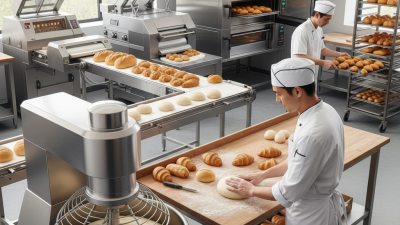
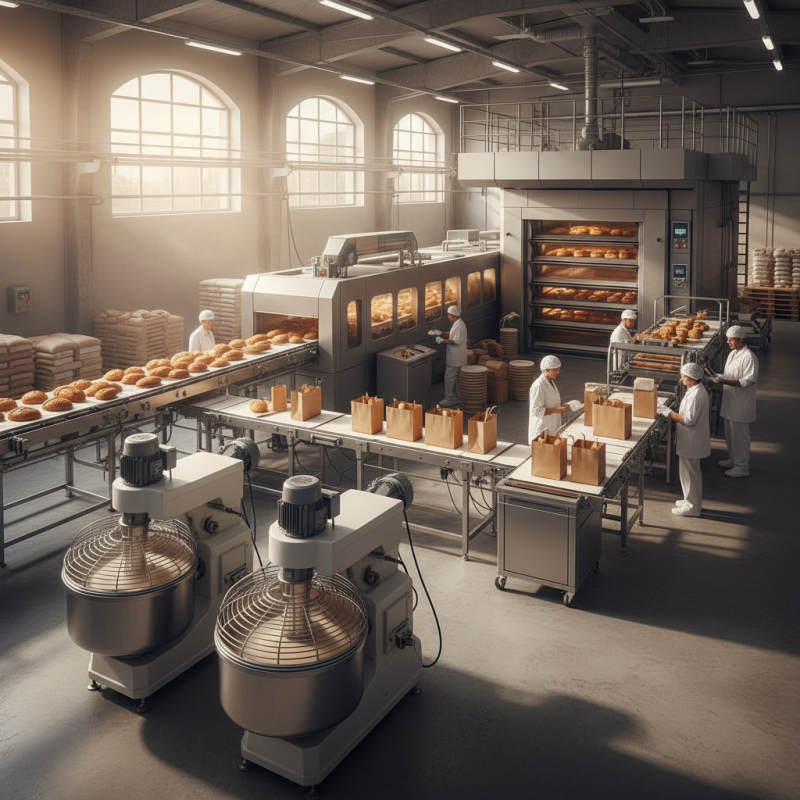
Bakery industrial equipment refers to specialized machinery and tools used in the production of baked goods. This equipment ranges from mixers and ovens to packaging machines. These tools are vital for large-scale production in bakeries. They enhance efficiency and maintain quality. Each piece contributes to a smoother workflow and better product consistency.
The global impact of bakery industrial equipment is significant. It helps to meet rising consumer demand for baked items. With automation, bakeries can produce more goods in less time. This equipment also enables small and medium-sized enterprises to compete. However, the initial investment can be high, which is a challenge for some businesses. Additionally, maintenance and training are crucial, yet often overlooked. This can lead to production halts and decreased output.
Furthermore, not all equipment is designed with energy efficiency in mind. This can increase operating costs and environmental impact. The industry is evolving, and advancements are being made. However, there's room for improvement in sustainable practices. Addressing these issues can lead to better efficiency and reduced costs for producers and consumers alike.
Categories of Bakery Equipment and Their Functions
Bakery industrial equipment plays a crucial role in modern food production. Each category of equipment serves a specific function, ensuring efficiency and quality. Mixing equipment blends ingredients uniformly, leading to consistent dough textures. These machines come in various sizes, accommodating both small and large bakeries.
Oven technology has vastly evolved. Convection ovens offer even baking, while deck ovens excel in producing artisan breads. Proofing cabinets create ideal conditions for dough fermentation, enhancing flavor and texture. Moreover, cooling systems help maintain product quality post-baking. Crafting a perfect loaf requires not just good ingredients but also the right equipment.
Packaging machines are essential for preserving freshness and extending shelf life. Efficient labeling systems also ensure compliance with safety regulations. With the rise in global trade, understanding local preferences becomes vital. Equipment must adapt to different markets, keeping up with trends. This flexibility highlights the need for continuous improvement in the industry.
Global Bakery Equipment Market by Category (2023)
Technological Innovations in Bakery Equipment Manufacturing
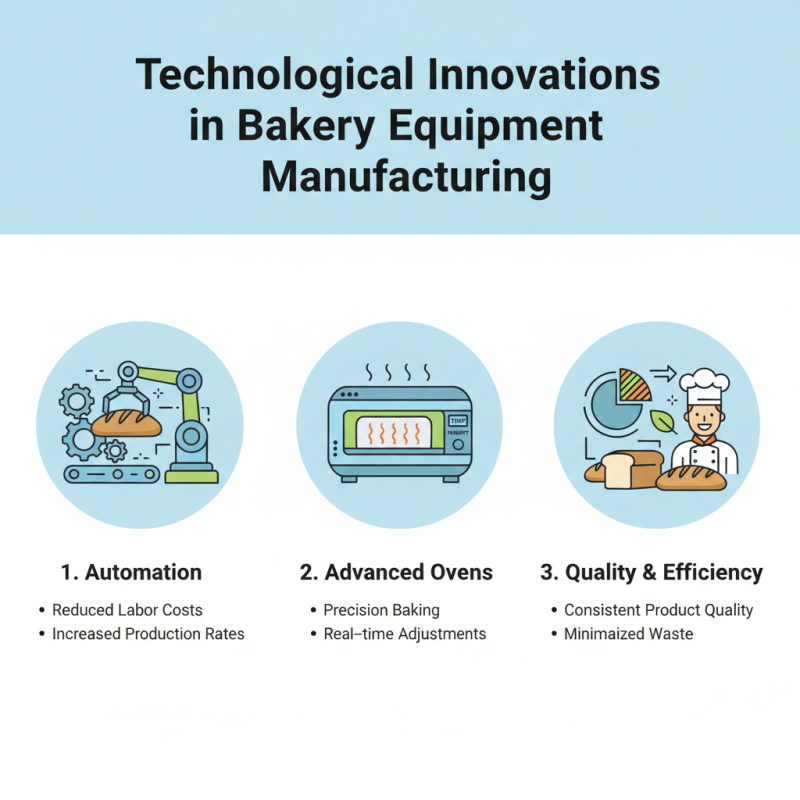
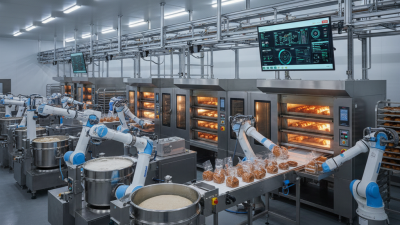
Technological innovations in bakery equipment manufacturing are reshaping the industry. Automation is now common, reducing labor costs and increasing production rates. Advanced ovens use precision technology to ensure consistent baking results. These systems can adjust temperature and humidity in real-time. Such features help bakers maintain product quality and minimize waste.
Digital integration plays a crucial role as well. Many bakeries now utilize software to monitor production. This oversight allows for swift adjustments, enhancing efficiency. However, this reliance on technology poses challenges. Not all bakers adapt quickly to digital tools. Training is essential but can be time-consuming and costly.
Sustainability is another focus of innovation. Manufacturers are creating energy-efficient equipment, which reduces environmental impact. These machines are designed to consume less energy and minimize emissions. While progress is evident, some bakeries remain hesitant to invest. Financial constraints often hinder the adoption of cutting-edge technologies. Reflecting on these issues is vital for the industry's growth.
Global Market Trends and Economic Impact of Bakery Equipment
The bakery industrial equipment sector is witnessing significant growth, driven by evolving consumer demands and technological advancements. According to a recent market report, the global bakery equipment market is projected to reach approximately $20 billion by 2025, growing at a CAGR of 4.5% from 2020. This growth reflects an increasing preference for convenience foods and artisanal bakery products. Industry professionals are also focused on improving production efficiency to meet tight deadlines.
Automation is a key trend reshaping the bakery equipment landscape. Increasingly, manufacturers are implementing automated systems to enhance precision and reduce labor costs. However, this shift towards automation presents challenges. Small and medium-sized bakeries may struggle to afford such advanced technology. Reports show that nearly 30% of smaller operations still rely heavily on manual processes, highlighting the disparity in equipment access.
Sustainability is becoming a priority in the bakery industry. Equipment that minimizes energy consumption and waste is in demand. Research indicates that energy-efficient ovens can reduce energy usage by up to 40% compared to traditional models. Yet, investing in such equipment may not always be feasible for all bakers. The balance between cost and sustainability remains an ongoing debate among industry stakeholders.
What is Bakery Industrial Equipment and Its Global Impact?
| Equipment Type |
Market Size (USD Billion) |
Growth Rate (%) |
Key Regions |
Impact on Economy |
| Ovens |
3.5 |
6.2 |
North America, Europe |
High employment generation |
| Mixers |
2.8 |
5.0 |
Asia Pacific, Latin America |
Increased productivity |
| Provers |
1.5 |
4.5 |
Middle East, Africa |
Supports local bakeries |
| Slicers |
1.2 |
3.8 |
North America, Europe |
Improves efficiency in retail |
| Packagers |
2.0 |
5.6 |
Globally |
Enhances product distribution |
Environmental Sustainability in the Bakery Equipment Industry
The bakery equipment industry plays a significant role in promoting environmental sustainability. Recent data shows that approximately 25% of energy consumption in the food processing sector comes from bakery operations. Reducing this energy use is crucial for lowering carbon footprints. Equipment manufacturers are now focusing on energy-efficient technologies. Innovations like variable speed drives and energy recovery systems can significantly cut energy costs.
Water usage is another critical environmental aspect. The bakery industry uses vast amounts of water during production. Reports indicate that optimizing water usage can decrease waste by up to 30%. Innovations such as closed-loop water systems make this possible. These systems recycle water, ensuring minimal waste. However, many facilities still neglect effective practices, highlighting a gap in sustainable operations.
Waste generation remains an unresolved challenge. In the U.S. alone, approximately 1.3 billion tons of food is wasted every year. Bakeries contribute to this issue. By implementing better inventory management and leveraging technology, bakeries can reduce surplus items. Yet, many operators lack the resources or knowledge to adopt these strategies. Sustainability in the bakery equipment sector needs ongoing commitment and improvement.