2025 How to Implement Bakery Automation for Increased Efficiency and Profitability
In the rapidly evolving landscape of the bakery industry, automation has emerged as a pivotal strategy for enhancing efficiency and profitability. As the need for consistency and speed grows, integrative solutions in bakery automation are transforming traditional baking processes. According to renowned bakery automation expert, Dr. Emily Carter, "Embracing automation isn't just about improving output; it's about redefining quality and consistency in each product." This statement underscores the critical role that automation plays in meeting consumer demands while maintaining high standards.
Implementing bakery automation can streamline operations, reduce labor costs, and minimize human error across various stages of production. From automated mixing and baking to packaging and inventory management, the benefits are extensive. As bakeries look to optimize their workflows in 2025 and beyond, understanding the nuances of these technologies becomes essential. The journey towards a fully automated bakery not only promises increased profit margins but also allows for the creative freedom required to innovate and stay competitive in a crowded market. As the industry continues to adapt, the insights gained from leaders like Dr. Carter will be invaluable in shaping the future of bakery operations.

Understanding Bakery Automation: Benefits and Challenges
Bakery automation has been a transformative force in the industry, driving significant improvements in efficiency and profitability. A report from the International Bakery Industry Association indicates that bakeries adopting automation technologies can see productivity increases of up to 30%. These advancements include automated mixing, proofing, and baking systems that streamline operations, reduce manual labor, and enhance consistency in product quality. Moreover, automation facilitates better inventory management, allowing bakeries to adapt quickly to changing demand without the risk of overproduction.
However, the transition to a fully automated bakery system is not without its challenges. Investment costs for advanced machinery can be substantial, often requiring significant capital upfront. A survey conducted by the Baking Technology Center found that 65% of small to medium-sized bakeries expressed concerns about financing automation projects. Additionally, there is a learning curve associated with new technologies, necessitating training for employees to ensure optimal operation and minimize downtime. These factors must be carefully considered when planning an automation strategy, as the benefits can be substantial, but the path to implementation can be complex and resource-intensive.
Bakery Automation Impact on Efficiency and Profitability (2025)
Assessing the Current Bakery Operations for Automation Potential
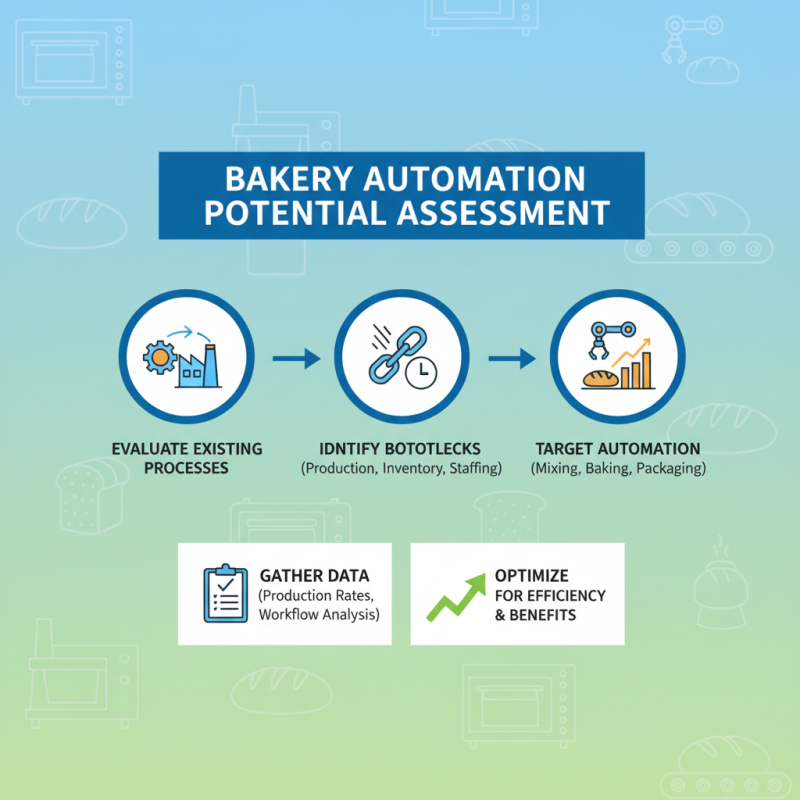
To successfully assess the current bakery operations for automation potential, it is crucial to begin with a comprehensive evaluation of existing processes. Identify bottlenecks in production, inventory management, and staff workload to determine where automation can provide the most significant benefits. Look at areas such as dough mixing, baking, and packaging, as these are often the most time-consuming and labor-intensive stages. Gathering data on production rates and analyzing workflow can highlight specific tasks that can be automated for efficiency gains.
Tips: Consider conducting a workflow analysis using process mapping. This visual representation will help you pinpoint inefficiencies and areas where automation can streamline operations. Engage your staff in this process, as they can provide valuable insights into daily challenges and potential improvements.
Additionally, evaluate the technology landscape and the types of automation tools that can be integrated into your operations without causing substantial disruption. Implementing a gradual transition to automation will allow for better adaptation and training for your employees. Ensure to assess your bakery’s specific needs carefully, as different setups may require tailored solutions rather than a one-size-fits-all approach.
Tips: Prioritize investments in automation technologies that have proven ROI in similar bakery contexts. Conducting small pilot programs can help in understanding the effectiveness of different automation strategies before rolling them out on a larger scale.
Key Technologies for Bakery Automation: Tools and Software
The bakery industry is rapidly evolving, with automation becoming a key driver for increased efficiency and profitability. In recent years, the implementation of advanced technologies has transformed traditional baking processes, allowing bakeries to meet growing consumer demands while optimizing production. According to a report by Research and Markets, the global bakery automation market is expected to reach $4.9 billion by 2026, growing at a CAGR of 6.9%. This growth is largely attributed to the integration of innovative tools and software designed to streamline operations.
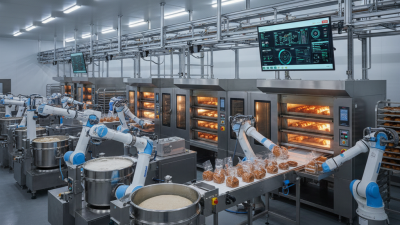
Key technologies in bakery automation include robotic systems, smart sensors, and data analytics software. Robotic systems can automate repetitive tasks such as mixing, shaping, and packaging, significantly reducing labor costs and improving consistency. Smart sensors, when incorporated into ovens and fermentation processes, provide real-time monitoring and adjustments, ensuring optimal baking conditions. Furthermore, data analytics software allows bakeries to track performance metrics, inventory levels, and sales trends, facilitating informed decision-making and operational strategies.
Investing in these technologies not only enhances operational efficiency but also addresses the increasing need for customization in baked goods. A report by Mordor Intelligence highlights that customized products are driving growth in the bakery sector, with 38% of consumers willing to pay more for personalized items. By leveraging automation tools and software, bakeries can efficiently produce a variety of products tailored to specific customer preferences, leading to increased customer satisfaction and profitability.
2025 How to Implement Bakery Automation for Increased Efficiency and Profitability
| Technology |
Description |
Benefits |
Estimated Cost ($) |
| Automated Dough Mixers |
Machines that automatically mix dough to precise specifications. |
Consistent quality, reduced labor costs |
10,000 - 25,000 |
| Conveyor Ovens |
Ovens that bake products as they move through on a conveyor. |
Increased throughput, improved cooking uniformity |
15,000 - 50,000 |
| Robotic Arm Systems |
Robots that can handle, package, and palletize baked goods. |
Reduced labor, increased efficiency |
20,000 - 100,000 |
| Inventory Management Software |
Software to track ingredients and finished product inventory. |
Optimized stock levels, minimized waste |
2,000 - 10,000 (annual subscription) |
| Temperature & Humidity Control Systems |
Systems to maintain optimal baking conditions. |
Improved product quality, energy efficiency |
5,000 - 15,000 |
Steps to Implement Bakery Automation Successfully
Implementing bakery automation can significantly enhance operational efficiency and profitability. According to a recent report from the International Bakery Association, bakeries that adopt automation technologies can see a reduction in production times by as much as 30%. This can be attributed to streamlined processes such as automated mixing, proofing, and packing systems, which minimize manual intervention and reduce the likelihood of human error. As bakeries face increasing demand for high-quality products, integrating automation is essential for maintaining a competitive edge.
To implement bakery automation successfully, it is crucial to start with a clear assessment of current workflows and pain points. Identifying repetitive tasks that are time-consuming will help prioritize which processes to automate first. A survey by the Bakery Equipment Manufacturers Association found that 65% of bakeries that automated their operations experienced improved accuracy in ingredient measurements, leading to consistent product quality. Once the key areas for improvement are determined, businesses should invest in training employees to adapt to new technologies, ensuring a smoother transition and maximizing the benefits of automation. By following these steps, bakeries can not only enhance their productivity but also experience a notable increase in profitability in the competitive market landscape of 2025.
Measuring Efficiency and Profitability After Automation Implementation
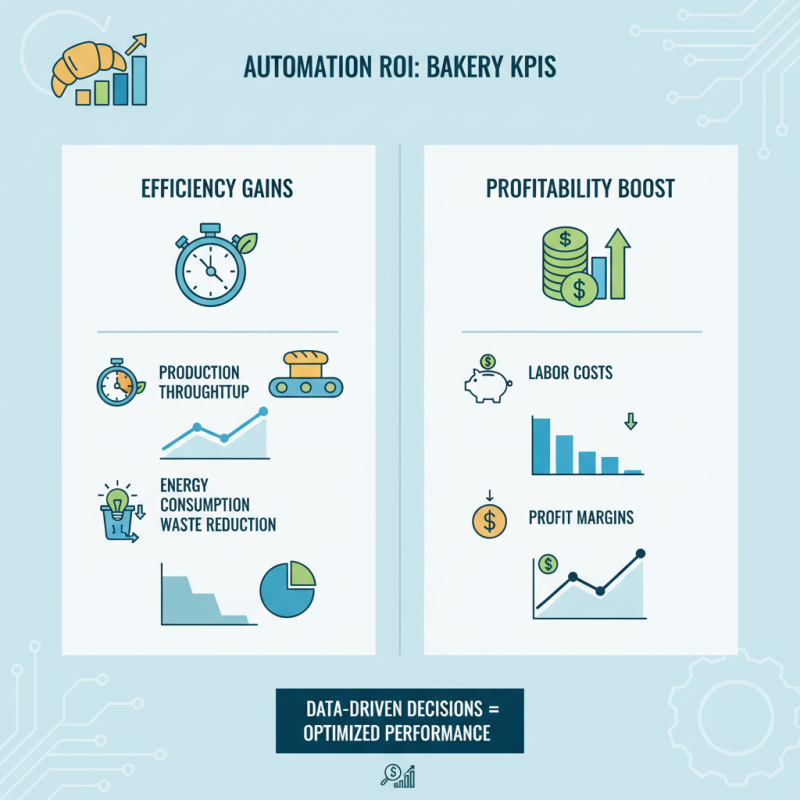
Measuring efficiency and profitability after implementing automation in a bakery is crucial for understanding the impact of these changes on operational performance. Once automated systems are in place, bakeries should establish key performance indicators (KPIs) that can provide clear insights into both efficiency gains and profit margins. These KPIs might include metrics such as production throughput, energy consumption, labor costs, and waste reduction. By closely monitoring these indicators, bakery managers can identify areas of improvement and make data-driven decisions that enhance overall performance.
In addition to quantitative metrics, qualitative assessments should also be conducted to gauge employee satisfaction and adaptability to new technologies. Engaging staff in the evaluation process can shed light on the user-friendliness of the automated systems, revealing potential gaps in training or support. Regular feedback sessions can help management understand the human element of automation, ensuring that both efficiency and workplace morale are prioritized. Ultimately, a balanced approach to measuring efficiency and profitability will empower bakeries to refine their processes, optimize resource allocation, and maximize financial returns post-automation.