What is Bakery Automation at the 139th Canton Fair?
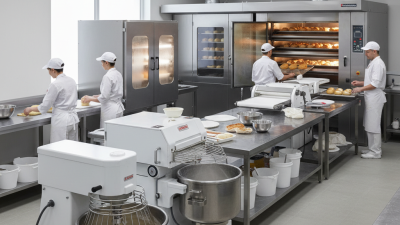
Bakery automation is a notable trend at the 139th Canton Fair. This event focuses on advanced manufacturing and innovative technology, showcasing solutions that enhance efficiency in baking operations. Automation is transforming how bakeries operate. Automated machines streamline production, reduce labor costs, and improve consistency.
Visitors will witness various automation technologies. These include mixing, baking, and packaging equipment designed for all production scales. The AI features help buyers navigate the expansive 1.55 million-square-meter venue. With AI, finding suppliers that meet specific qualifications, like ISO and CE certification, is faster and easier.
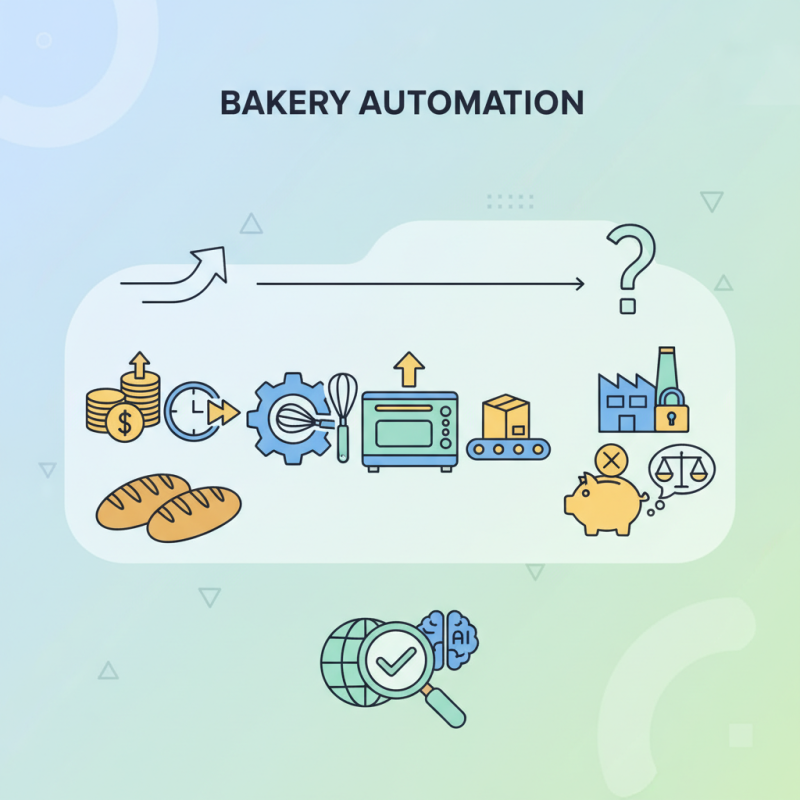
Challenges remain, however. Not every bakery can afford these technologies. Smaller businesses might struggle to adapt to rapid changes. It is essential to assess both the benefits and the limitations of bakery automation. Thoughtful consideration ensures that all bakeries can keep pace with evolving demands and technologies, making informed decisions is critical.
Understanding Bakery Automation in the Context of the 139th Canton Fair
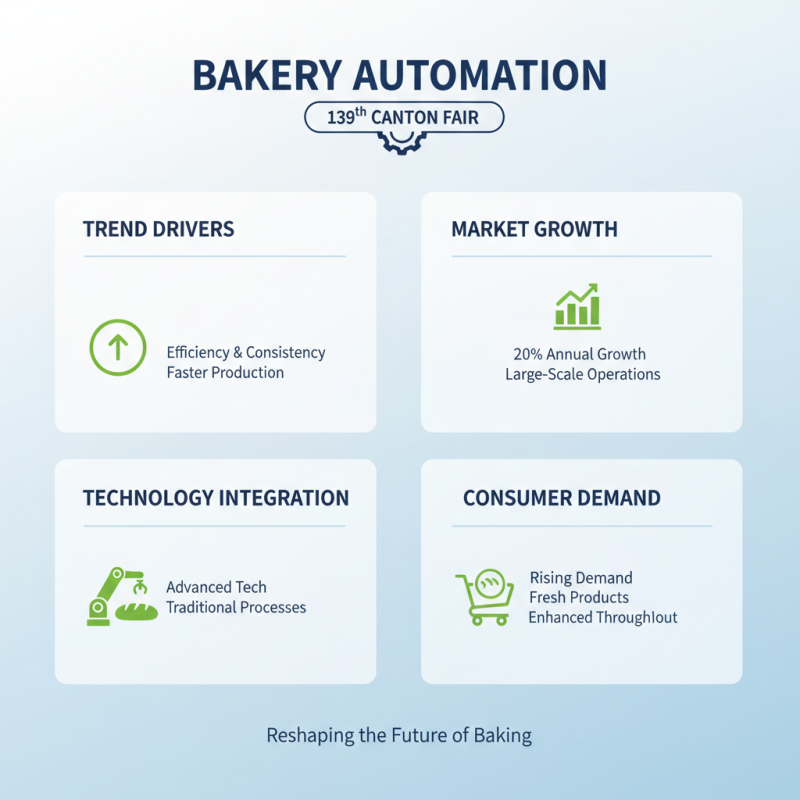
The 139th Canton Fair provides a unique platform to explore bakery automation. This trend is reshaping the industry by integrating advanced technology into traditional baking processes. Automation in bakeries has grown by over 20% annually, driven by demands for efficiency and consistency. The need for faster production is evident, especially in large-scale operations. Enhanced throughput allows bakers to meet the rising consumer demand for fresh products.
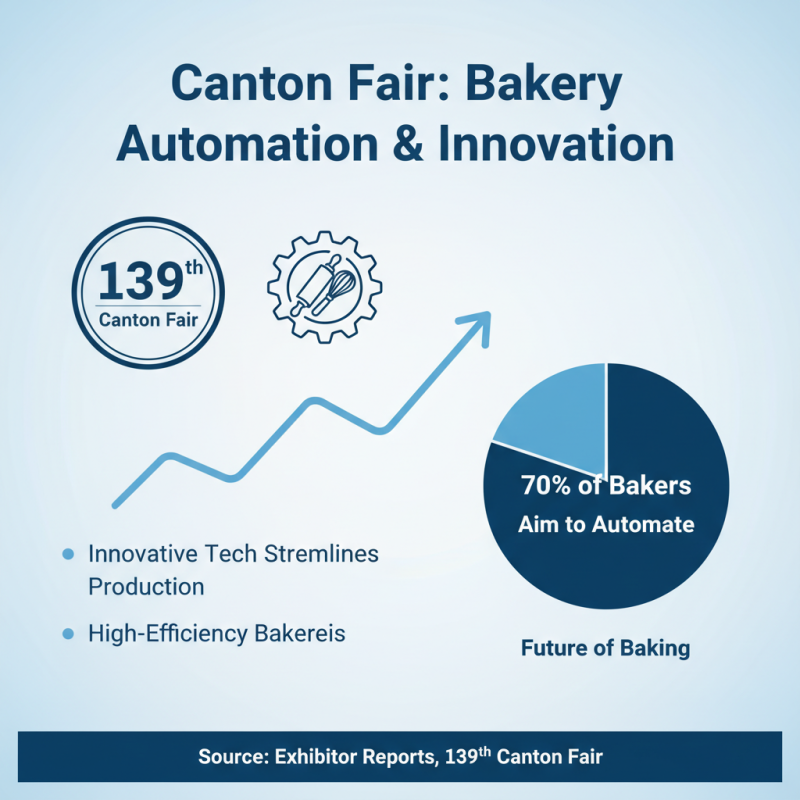
Specialized machinery now performs tasks that were once manual. For example, automated mixing and baking systems can improve precision and reduce labor costs. However, this shift raises questions. Are all businesses equipped to handle such changes? Smaller bakeries may struggle with the initial investment. According to recent industry reports, 70% of small bakeries remain hesitant to adopt these technologies.
Training staff to interact with automated systems is crucial. Employees must adapt to new operational norms. Yet, not all are ready for such transitions. The balance between traditional methods and automation is delicate. Craftsmanship is important in baking. An overemphasis on automation may risk losing this artisanal touch. Bakeries must reflect on how to blend these elements best. The Canton Fair showcases how automation can benefit the bakery sector, but it’s essential to address these challenges.
Key Features of Bakery Automation Technology Showcased at the Fair
The 139th Canton Fair is showcasing cutting-edge bakery automation technology. This sector has seen significant growth, with the global bakery equipment market projected to reach $20 billion by 2028, according to industry analysts. Automation is redefining production efficiency in bakeries. High-volume production, reduced labor costs, and improved safety are just a few benefits.
Key features presented at the fair include intelligent mixing systems and precision baking ovens. These innovations enhance product quality and consistency. For instance, smart mixers optimize dough preparation based on humidity and temperature. Observing the trends, many bakeries struggle to integrate such technologies due to costs and training challenges.
Tips: Start small. Focus on automating one process at a time. This minimizes disruptions and encourages staff to engage with new systems. Embrace the gradual learning curve. As bakeries adopt these technologies, staying updated on best practices ensures smooth transitions. Transitioning to automation should be systematic, allowing bakers to adapt without overwhelming them.
Benefits of Implementing Bakery Automation for Modern Bakeries
Bakery automation is revolutionizing the industry, especially evident at the 139th Canton Fair. Modern bakeries are finding substantial benefits in adopting automated processes. A report from the Bakery & Snack Industry Association indicates that automation can increase production efficiency by up to 30%. This increase is crucial as consumer demand rises. Manual processes are often slow and susceptible to errors. Automation ensures uniformity, which is essential for maintaining quality.
Additionally, energy costs are a concern. Automating equipment can reduce energy consumption by approximately 20% compared to traditional methods. This reduction benefits the environment and lowers operating costs for bakeries. Many bakeries struggle with labor shortages. Automation allows them to produce more with fewer employees. However, investment can be daunting. Not every bakery sees immediate return on investment. It requires a strategic approach to implement and monitor the effectiveness of these systems.
Success is not guaranteed. Challenges include initial training for staff and potential downtime during transitions. Each bakery must evaluate its unique needs. They need careful planning to make the automation shift worthwhile. Despite these hurdles, the potential for growth is significant. The industry will continue to adapt, seeking innovative solutions to meet consumer demands. Bakeries that embrace change will likely thrive in a competitive market.
Future Trends in Bakery Automation Highlighted at the Event
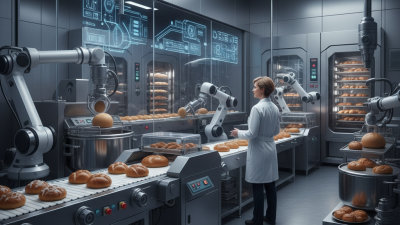
At the 139th Canton Fair, bakery automation showcased innovative solutions for the industry. Attendees observed automated processes that enhance efficiency and reduce labor costs. Machines efficiently kneaded dough and baked bread with precision. However, the high initial investment can deter small bakeries from adopting these technologies. The learning curve may also pose a challenge for current staff accustomed to traditional methods.
Future trends indicate that automation will continue to shape the baking landscape. Artificial intelligence integrated into machines can optimize baking times and temperatures. This leads to improved product consistency. Yet, many bakers worry about losing the personal touch in their products. The balance between automation and artisanal methods still requires careful consideration. It raises questions about quality versus quantity in production. The shift is apparent, but the path is not perfectly clear.
Innovations like robotic arms and smart ovens are exciting, but they are not without flaws. The reliance on technology can lead to unanticipated breakdowns. In such cases, bakeries may face delays or quality issues. Ensuring that staff can adapt is crucial in this evolving industry. The transition toward more automated processes reveals a complex interplay of benefits and challenges.
What is Bakery Automation at the 139th Canton Fair? - Future Trends in Bakery Automation Highlighted at the Event
| Dimension |
Description |
Trend Type |
Impact on Industry |
| Automation Technology |
Integration of robotic systems for dough handling and shaping. |
Technological Advancement |
Improves efficiency and consistency in product quality. |
| Smart Baking Ovens |
Ovens equipped with IoT for real-time monitoring and adjustments. |
Innovation |
Reduces energy consumption and optimizes baking times. |
| Ingredient Handling Systems |
Automated systems for accurate measurement and mixing. |
Process Efficiency |
Minimizes waste and ensures consistent product formulations. |
| Data Analytics |
Utilizing data for predictive maintenance and process optimization. |
Data-Driven Decisions |
Enhances overall operational efficiency and reduces downtime. |