2026 Top Industrial Vision Inspection Trends at Canton Fair?
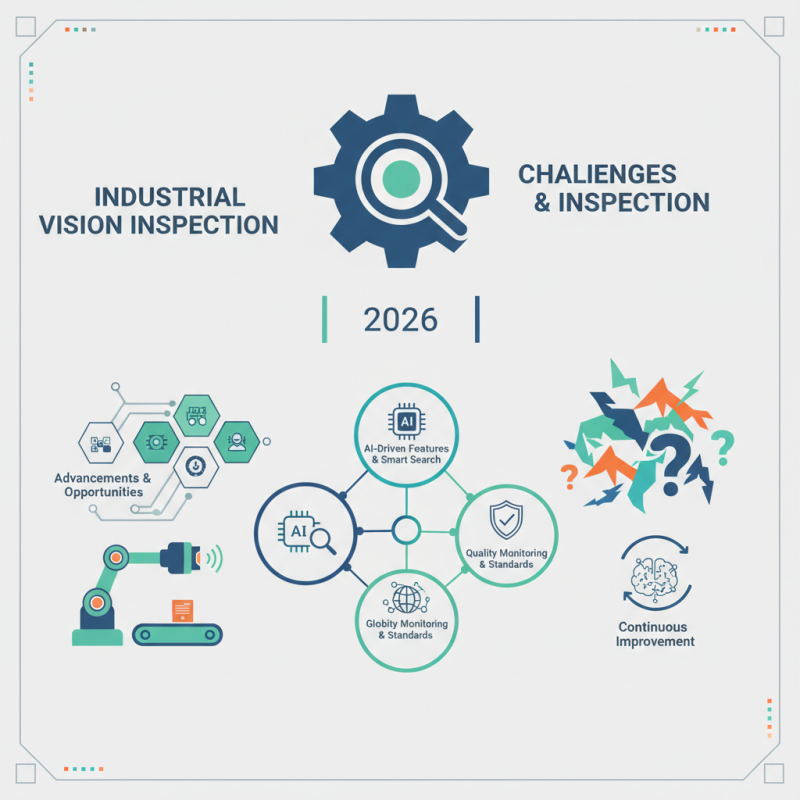
The upcoming 2026 Canton Fair will showcase significant advancements in Industrial Vision Inspection technology. This event, running from April 15 to May 5, promises to highlight innovations in advanced manufacturing and electronics. With a focus on quality, the fair introduces AI-driven features like smart search and navigation. These tools enable buyers to quickly identify qualified suppliers, enhancing efficiency in a vast exhibition area of 1.55 million square meters.
As the industrial sector evolves, the role of vision inspection systems becomes increasingly critical. These systems are designed to monitor quality in real-time, ensuring products meet stringent standards. However, challenges remain. Organizations must continuously adapt to new technologies and customer expectations.
The fair will present both opportunities and obstacles for the Industry. While advancements lead to improved inspection capabilities, companies must reflect on their readiness to integrate these changes. Engaging with the latest vision inspection trends is essential, yet it requires a commitment to constant improvement and adaptation.
Emerging Technologies in Industrial Vision Inspection for 2026
Industrial vision inspection is evolving rapidly. By 2026, emerging technologies will lead this transformation. With the increasing demand for quality control, advanced imaging systems are essential. Reports suggest that vision system sales could reach $21 billion by 2026, growing annually by 10%.
Artificial intelligence is a key driver. Intelligent algorithms enable machines to detect defects more accurately. These systems can analyze data quicker than humans, reducing errors. However, reliance on AI also raises concerns. Misinterpretation can occur, leading to false positives or negatives. Regular audits of such systems will be vital for maintaining accuracy.
Another significant trend is the integration of 3D imaging. Traditional 2D systems have limitations in depth perception. 3D technologies assist in detecting complex anomalies. Studies indicate these systems increase inspection efficiency by 30%. However, the initial investment can be daunting for small businesses. Balancing cost and benefits is crucial for stakeholders. The future of industrial vision inspection looks promising, yet challenges remain.
Key Players in Industrial Vision Technologies Showcased at Canton Fair
The Canton Fair has become a hub for showcasing innovations in industrial vision technologies. Key players in this field display a range of products designed to enhance quality assurance and process efficiency. These technologies play a crucial role in industrial settings, from manufacturing to logistics. Visitors can observe how advanced inspection systems integrate seamlessly into production lines.
However, despite the impressive advancements, there are challenges that require attention. Many systems are complex and may not be easy to operate. Users often face a learning curve. Additionally, while the technology is promising, the need for ongoing maintenance can be overlooked. This adds to operational costs, which can be a hurdle for smaller enterprises looking to adopt these systems.
The exhibitions at Canton Fair highlight both cutting-edge solutions and the reality of implementation. Attendees often engage in discussions about best practices and potential improvements. It’s clear that while the future of industrial vision inspection is bright, careful consideration of practical challenges remains essential.
Innovative Applications of Vision Inspection in Various Industries
Industrial vision inspection is revolutionizing various sectors. At the Canton Fair in 2026, innovative applications will highlight this trend. From manufacturing to healthcare, vision inspection is enhancing quality control. This technology helps identify defects in products quickly. It streamlines processes, leading to cost savings and efficiency.
In manufacturing, vision systems can detect flaws in real-time. For instance, automated assembly lines benefit from this technology. However, implementing these systems can take time and resources. Training staff is crucial. They must understand how to interpret data effectively. Not all systems will fit every operation. Businesses should assess their unique needs.
Tips: Start small. Pilot projects can unveil practical insights. Involve your team early on. Their feedback can drive better outcomes. Evaluate performance continuously. Adjust to improve processes. A flexible approach will yield the best results. Remember, technology is a tool, not a cure-all.
2026 Top Industrial Vision Inspection Trends at Canton Fair
| Industry | Application | Key Features | Benefits |
| Manufacturing | Defect Detection | High-resolution cameras, real-time processing | Reduced waste, enhanced product quality |
| Food & Beverage | Quality Inspection | Color analysis, foreign object detection | Improved safety standards, compliance |
| Automotive | Assembly Verification | 3D vision systems, angular position checks | Increased reliability, reduced recall risks |
| Pharmaceutical | Label Inspection | OCR technology, barcode scanning | Enhanced traceability, compliance with regulations |
| Electronics | Component Inspection | Automated visual inspection, AI analysis | Reduced labor costs, higher precision |
Impact of AI and Machine Learning on Vision Inspection Trends
The rise of artificial intelligence and machine learning is reshaping industrial vision inspection systems. These technologies drive automation, enhancing speed and accuracy. Vision systems are becoming more adept at detecting faults in real time. However, reliance on such systems is not without challenges.
Training AI models requires vast amounts of data. If the data is biased or insufficient, the AI may miss defects or produce false positives. Many companies struggle with this aspect. Also, integrating AI systems with existing infrastructure can be complex. Human oversight remains crucial, as machines can misinterpret visual cues.
Moreover, the cost of advanced vision inspection systems can be prohibitive. Smaller companies may hesitate to invest. They often feel overwhelmed by rapid technological advancements. As trends evolve, the need for continuous learning and adaptation is clear. Identifying areas for improvement is essential for organizations seeking to implement these technologies effectively.
Sustainability and Efficiency: Future Goals for Industrial Vision Solutions
The 2026 trends in industrial vision inspection emphasize sustainability and efficiency. Companies are under pressure to reduce waste and enhance processes. Sustainability is not just a trend; it’s a necessity for future growth. The integration of green technology in industrial vision solutions is becoming essential. Factories aim to minimize their carbon footprint while maximizing output.
Efficient vision systems can help achieve these goals. They streamline quality control, reducing defects and minimizing rework. Advanced algorithms analyze images quickly and accurately. This can lead to significant cost savings and resource optimization. Environmentally friendly materials in hardware and software make a difference too.
Tips: Focus on energy-efficient solutions. Evaluate the lifespan of your technology. Regularly assess your inspection processes to find areas for improvement. Engage employees in discussions about sustainability. Their insights can be valuable. Small changes can have big impacts. Making adjustments today can lead to a more sustainable future.